
Douro Valley · Norte · Portugal
Douro Valley - Why You Can't Just Stay in Porto
Verdict Porto gives you the city. The Douro Valley gives you the reason to leave it.
A personal Douro Valley travel guide from Porto, with Lamego, Pinhão, the N222, a Douro River boat trip, Quinta do Seixo, Amarante and Citânia de Sanfins.
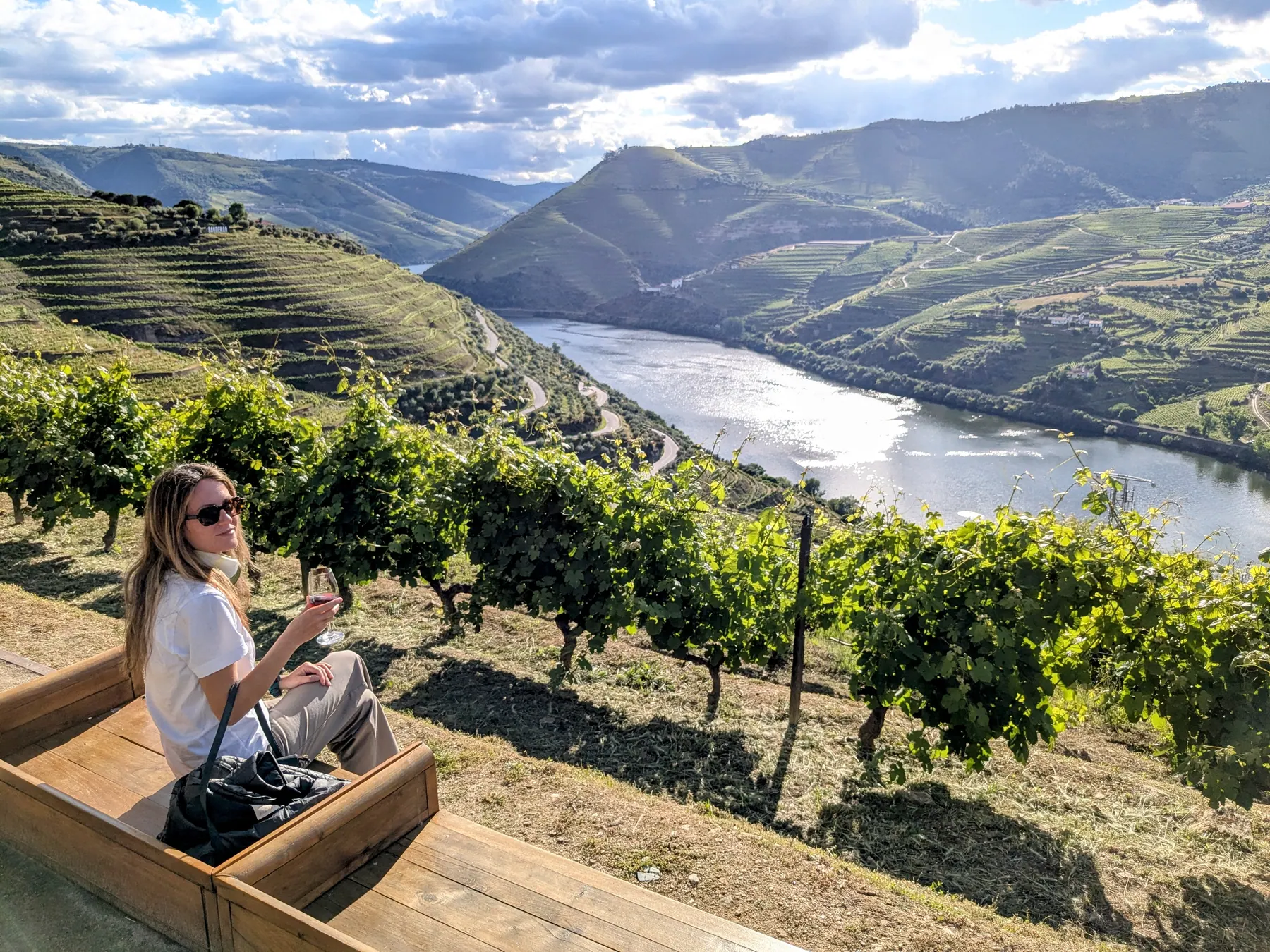
We didn't want to limit our Porto trip to the city alone. We are nature lovers and the plan was always to go beyond - and the Douro Valley was calling.
So we took our rented car and headed out for an adventure.
Start Here Read the Porto guide This Douro Valley route follows that city trip.The Drive - When the Landscape Changes Everything
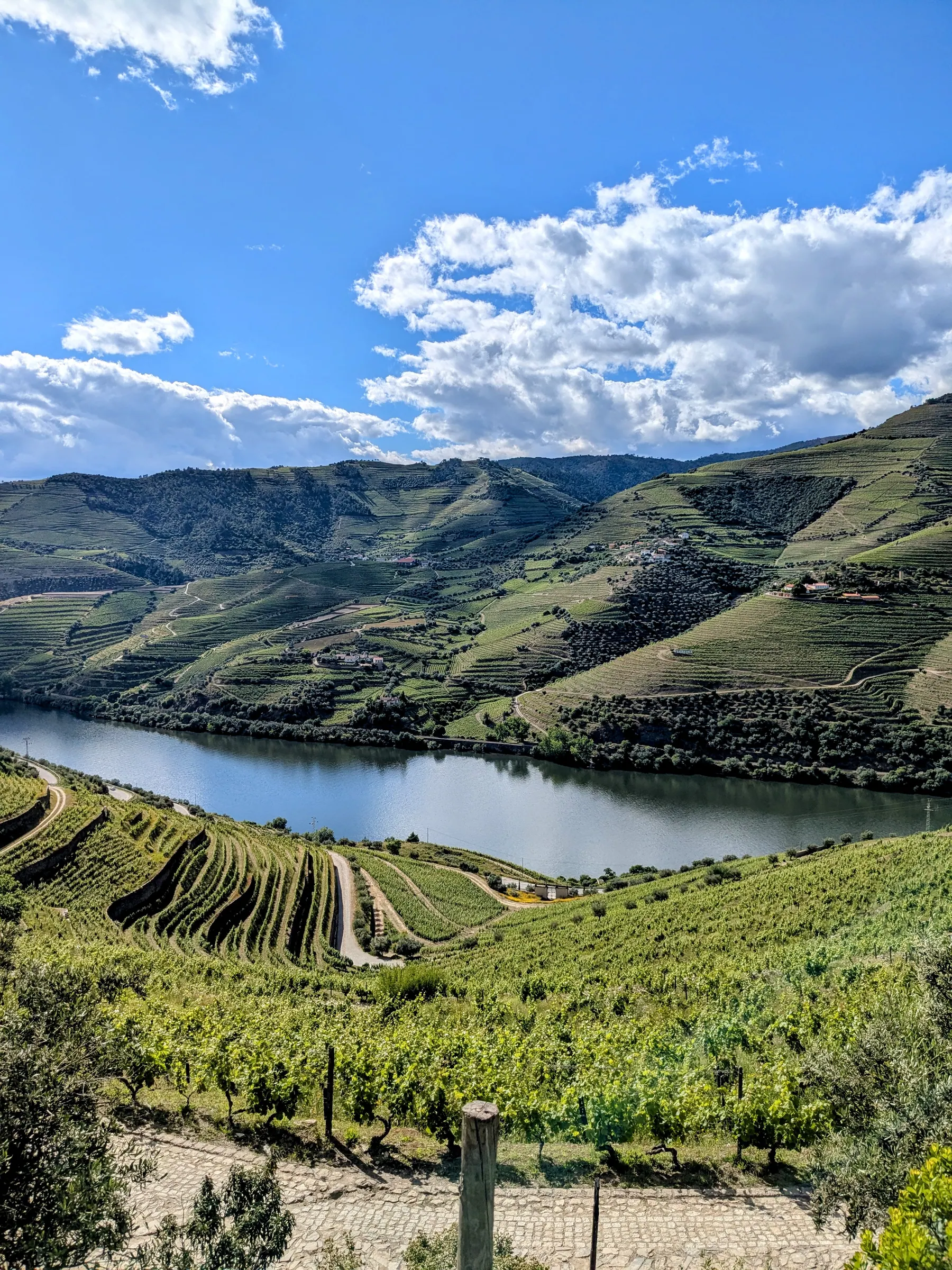
The more we drove, the more the winery landscapes appeared. Terraced vineyards climbing steep hillsides, the river winding below, light changing on the water. I don't know exactly why, but the relief and the greenery of those terraced fields reminded me a little of Vietnam - that same sense of a landscape completely shaped by human hands over centuries. I fell in love immediately.
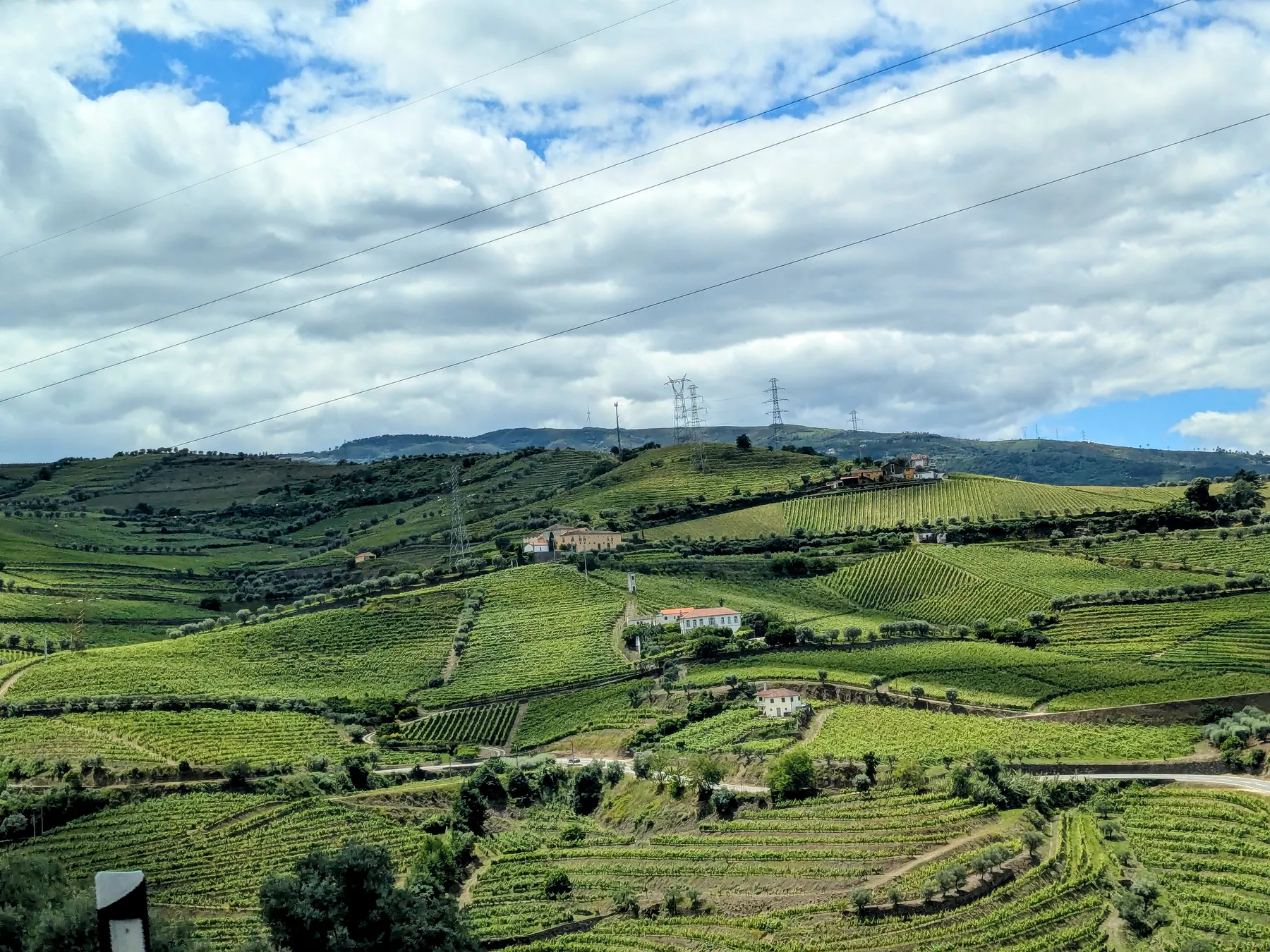
The Douro Valley is a UNESCO World Heritage Site - one of the oldest officially recognised wine regions in the world, established back in 1756. Those terraces you see climbing the hillsides weren't built by machines - they were carved by hand, generation after generation, creating one of the most extraordinary human-made landscapes on earth.
Budget Snapshot
- Accommodation: Douro Castelo Signature Hotel & Spa in Lamego - around €150 per night, worth it for the spa and quality. Hotel in Amarante - around €95 per night
- Food: Similar to Porto - around €15 per person per meal in mid range places
- Car rental: We picked up from Porto airport and kept it for 5 days - around €260 total including full insurance and petrol. Essential for this trip
- Boat trip: Around €15 per person
- Winery visit: €25 per person including tasting
How many days: We spent one full day, one half day and one morning - enough for a quick visit covering the highlights. That said, an extra day would allow you to explore more villages and landscapes at a slower pace, which the valley absolutely deserves.
Getting There - Car or Train?
A rental car gives you complete freedom - essential for reaching viewpoints, smaller villages and wineries at your own pace. We’d recommend it without hesitation.
That said, the Linha do Douro train from Porto is widely considered one of the most scenic railway journeys in Europe, hugging the river through gorges, tunnels and terraced vineyards all the way to Pinhão. If you don’t want to drive, the train is a spectacular alternative - and an experience in itself.
Our first night was in Lamego - chosen for its proximity to the Douro Valley and, honestly, because we wanted a hotel with a spa for a relaxing evening. We stayed at Douro Castelo Signature Hotel & Spa - the quality was very high, with a small pool and dry sauna area, and an abundant breakfast buffet the next morning. Highly recommended.
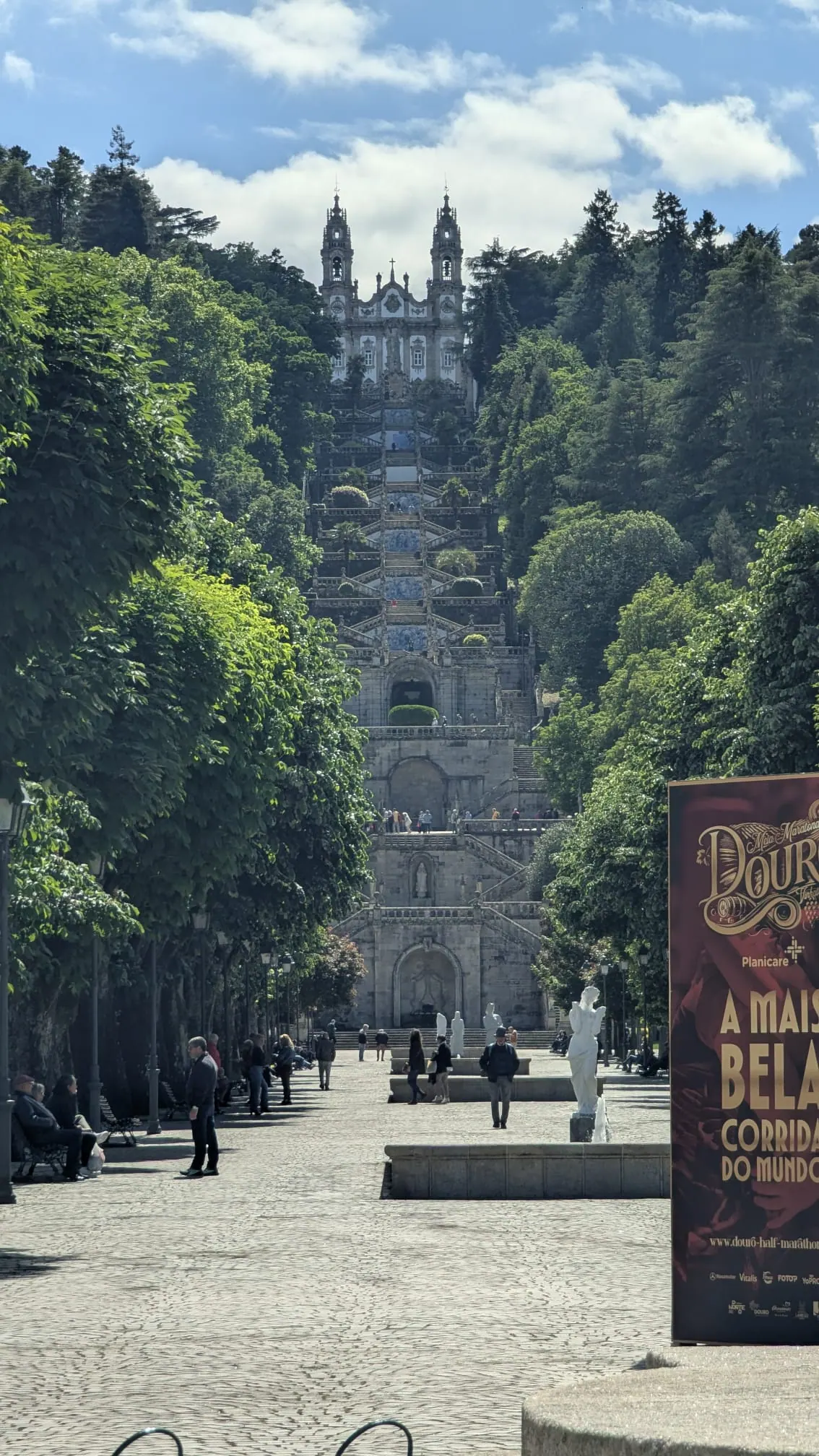
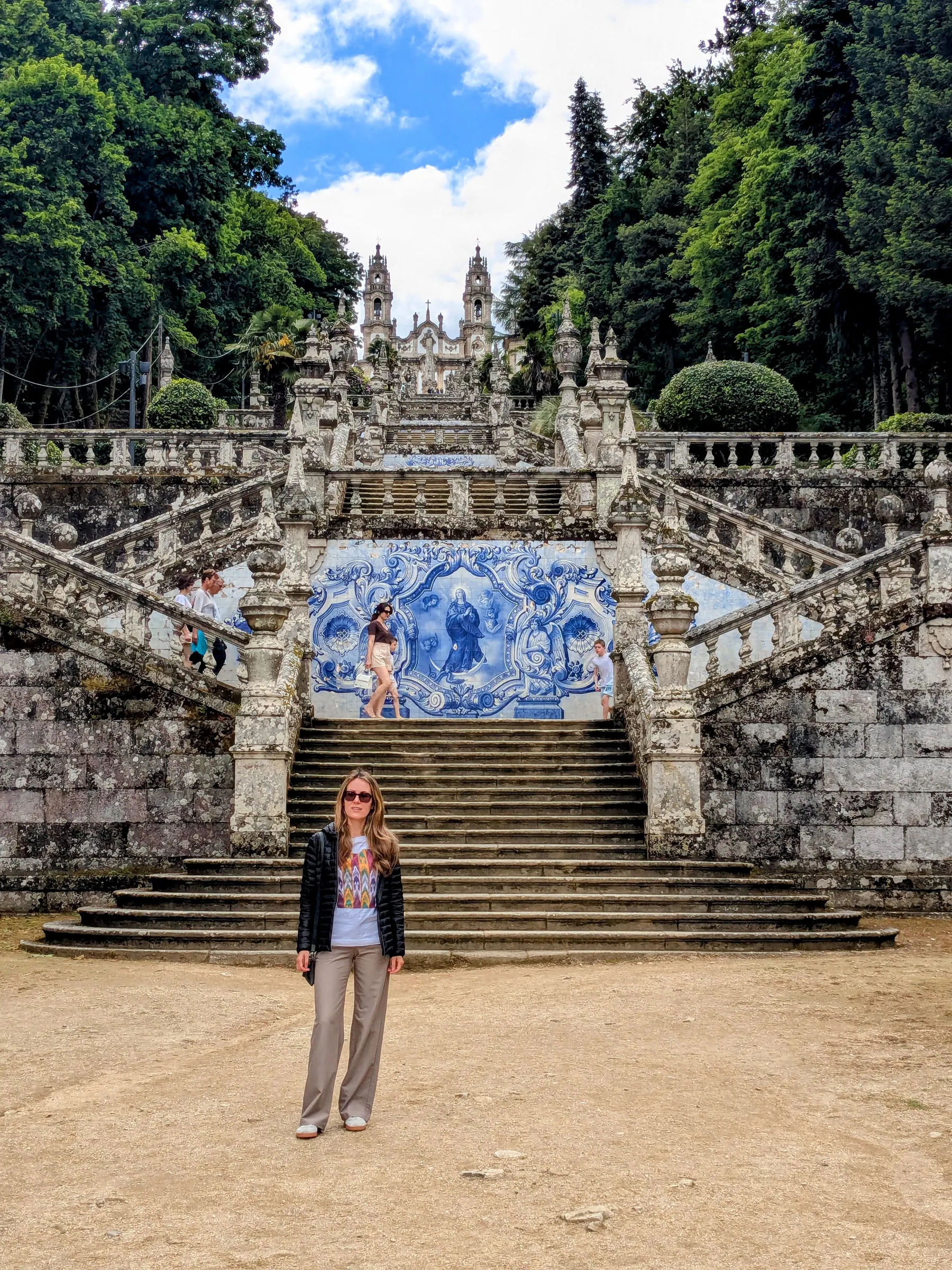
From the centre of Lamego you can’t miss the Santuário de Nossa Senhora dos Remédios - an impressive baroque staircase climbing all the way up to a church at the top of the hill, with 686 steps decorated with azulejos and fountains. I climbed every single one. The view from the top was spectacular - but honestly? The most impressive perspective was from the bottom, looking up at the staircase rising dramatically above you. That image stayed with me more than the view from the summit. It reminded me of the famous photos of Braga, though we didn’t include Braga on this trip.
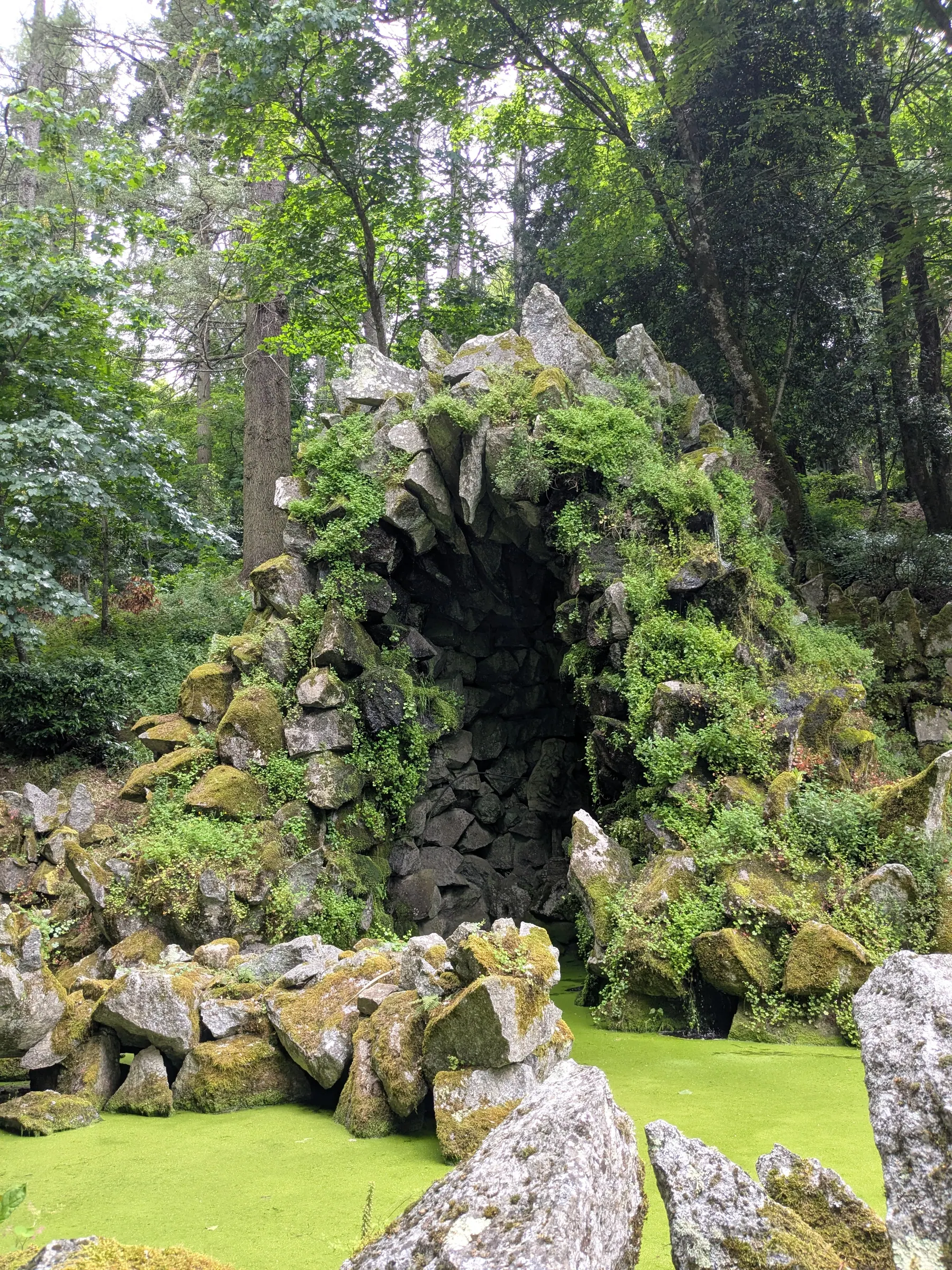
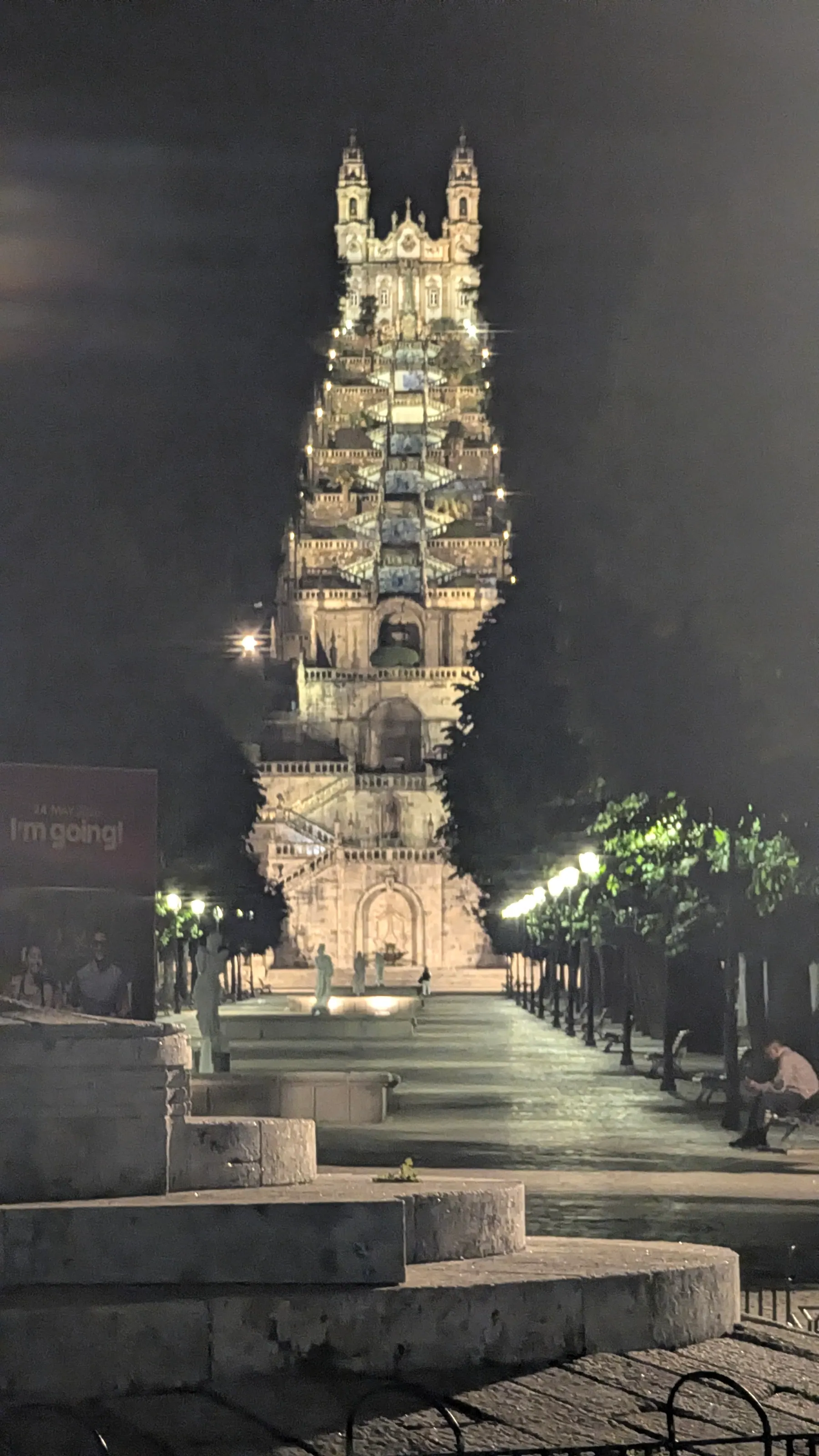
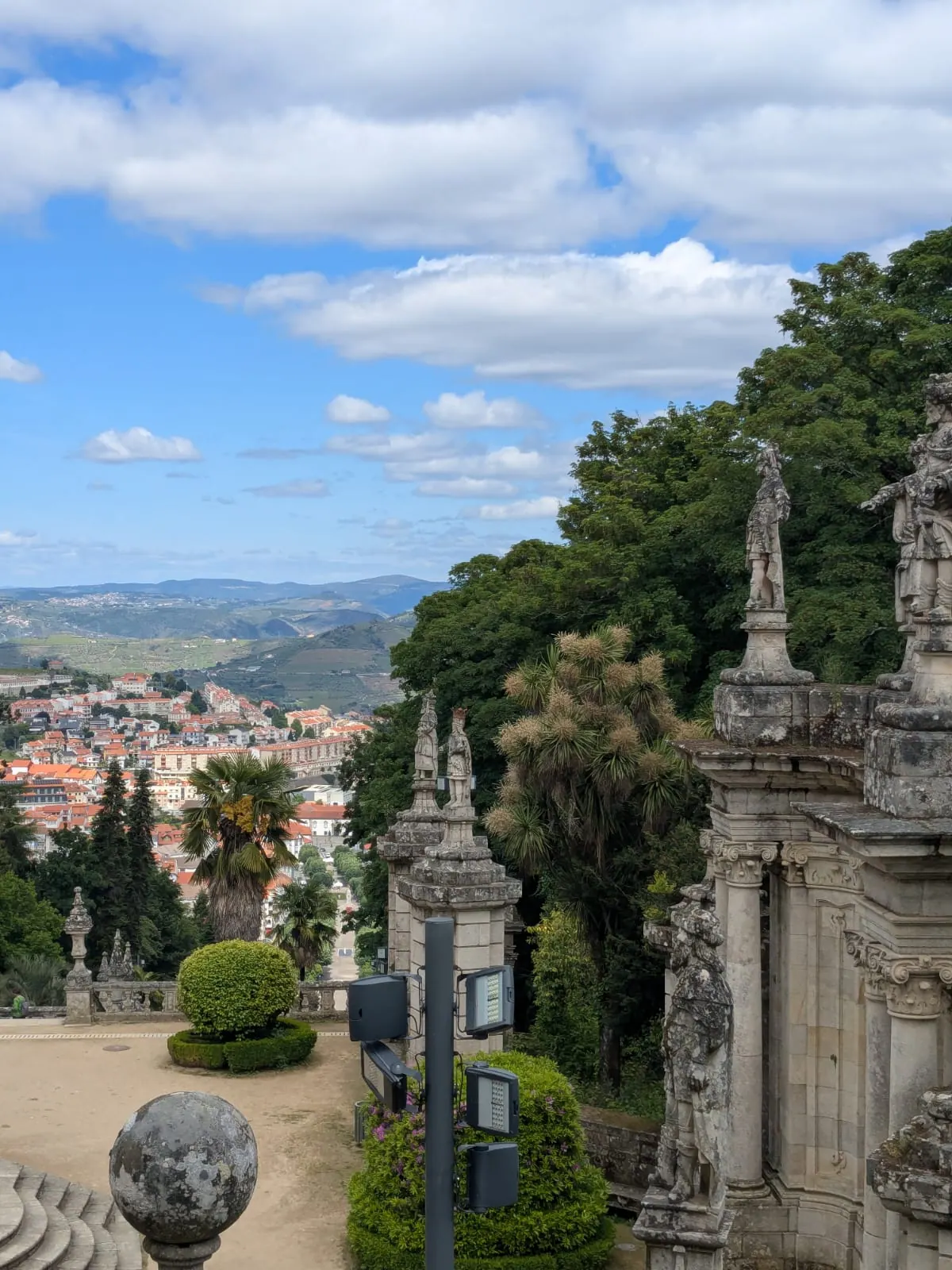
Lamego also has a castle at the very top of the city offering 360 degree panoramic views over the surrounding hills and valleys. Right next to it sits a small archaeological museum - free entry and worth a look.
The lunch that stood out was at a local bar called O Sousa, located near the castle. We had Sandes de Pernil with Serra cheese - what made it stand out was the bread, crispy and rustic, the kind that crackles when you bite into it, and the cheese with that deeply authentic flavour you only find in places that haven’t changed their suppliers in decades. One of the best sandwiches I have ever eaten, found simply by wandering off the main street.
Day 2 - Pinhão, the Viewpoint and a Winery Visit
The next day was about going deeper into the valley. We took the scenic N222 road - often called one of the most beautiful roads in the world, hugging the Douro River through endless terraced vineyards. The drive itself is worth doing slowly, with stops wherever the view demands it.
We arrived in Pinhão - considered the heart of the Douro Valley wine country and the most popular base for exploring the region. It’s also the departure point for numerous boat tours along the river. Before anything else, stop at the railway station. It looks modest from the outside until you notice the walls - covered entirely in 24 hand-painted blue and white azulejo panels, installed in 1937, each one depicting traditional scenes of vine growing, grape harvesting and the transport of wine barrels by Rabelo boats down the river to Porto. Free to visit and beautiful - a tiny open air museum that most people almost walk past.
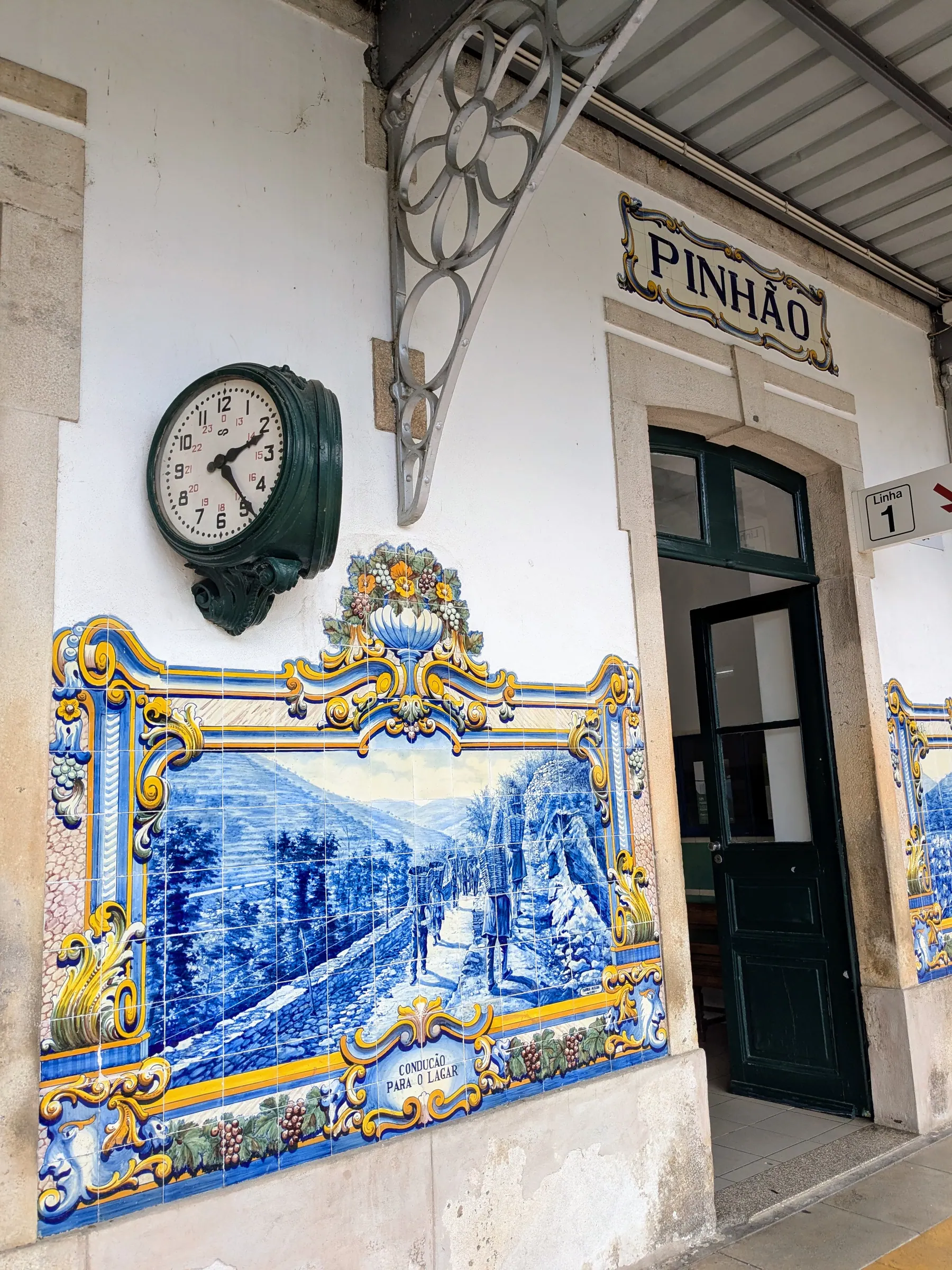
From Pinhão we joined an hour long boat trip on the Douro River - we chose a small open boat, though traditional Rabelo boats are also available if you prefer something more historic. The atmosphere on the water was completely relaxing - the gentle movement of the boat, the vineyards drifting past on both sides, a glass of Port wine in hand. Dangerously relaxing, in fact. Between the wine and the rhythm of the river I nearly fell asleep on the boat - and after docking we actually stopped at a quiet spot nearby and took a short nap. The guide explained the surrounding quintas along the banks and the history of Port wine production. What surprised me was learning that quite a few of the quintas - the traditional Portuguese wine estates, typically family owned farms that produce and age their own wine - are owned by British families, a legacy of the centuries-old trade relationship between Britain and Portugal. The price was around €15 per person and well worth it.
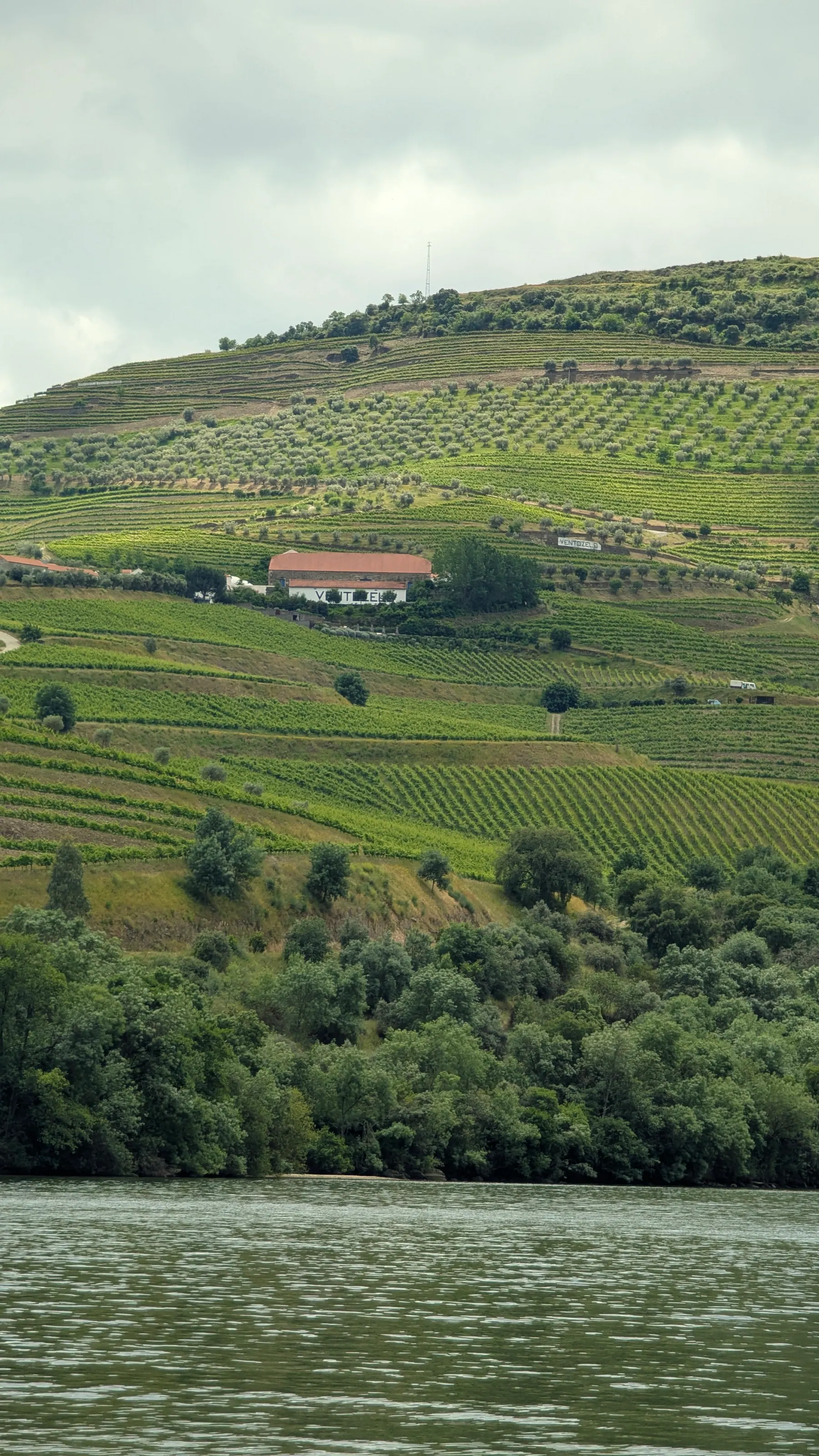
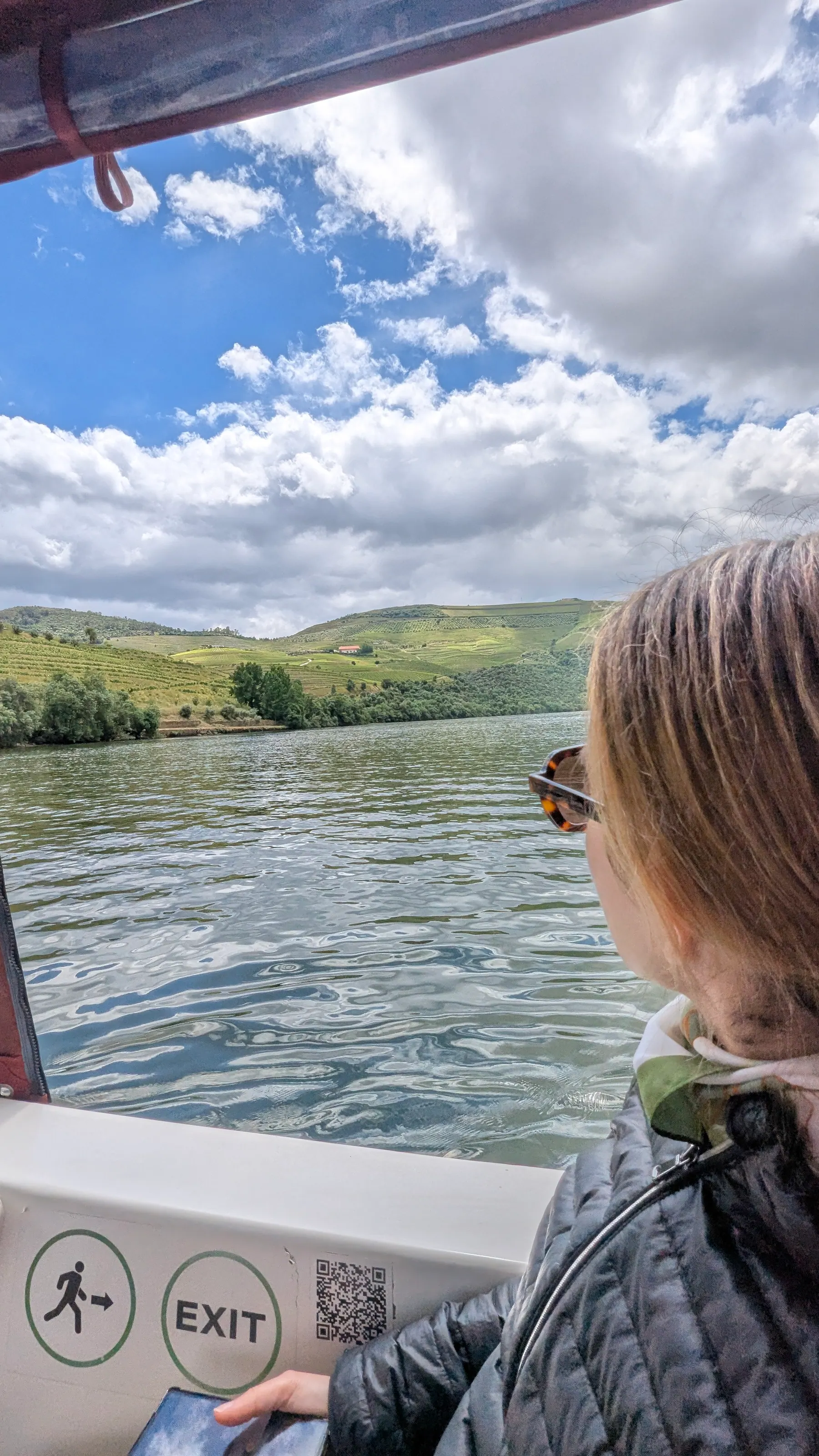
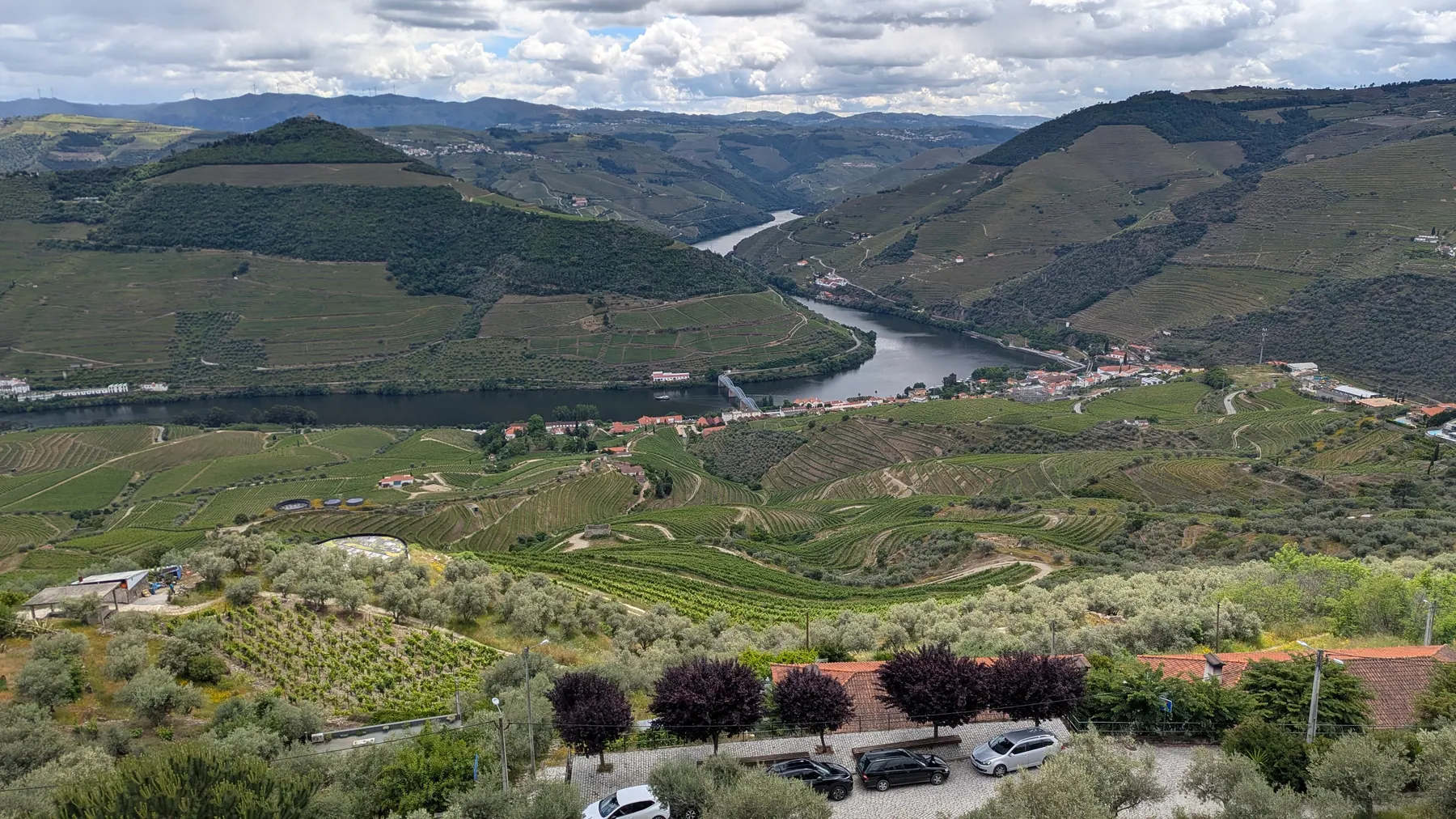
After the boat trip we headed to Miradouro Casal de Loivos - a viewpoint widely considered one of the best panoramic spots in the entire Douro Valley. Getting there was slightly challenging - narrow village streets that required some careful navigation - but the view at the top was completely worth it. The river curves below, the terraced vineyards stretch in every direction, and the light on the water in the afternoon is extraordinary.
For our winery visit we chose Quinta do Seixo - the Douro estate of Sandeman, one of Portugal’s most historic Port wine producers with roots going back to 1790. We chose it for its reputation and strong reviews, and it did exactly what it promised - a well organised, professional visit with spectacular views and good wines. For anyone new to Douro wineries it’s a safe and reliable choice.
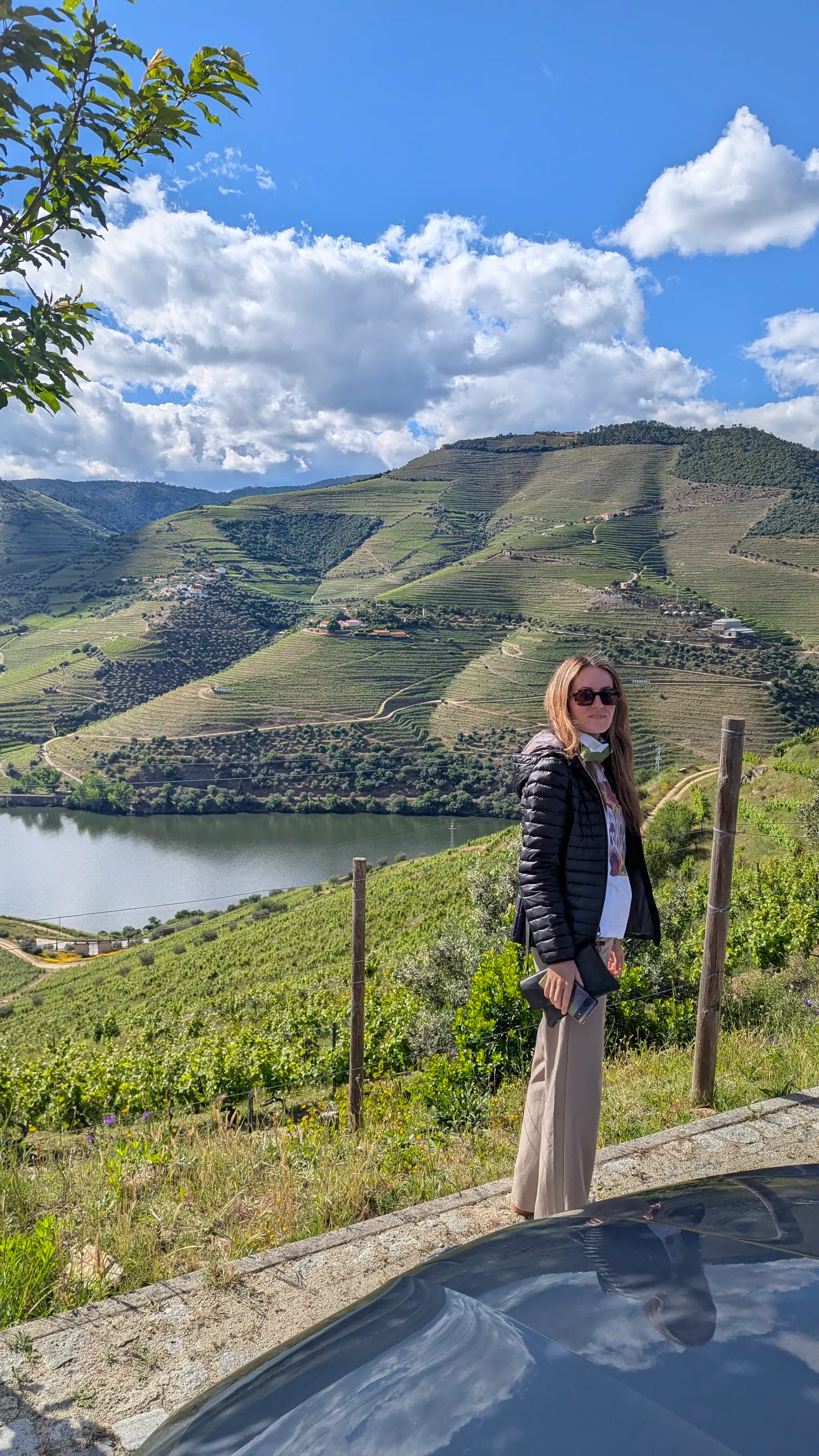
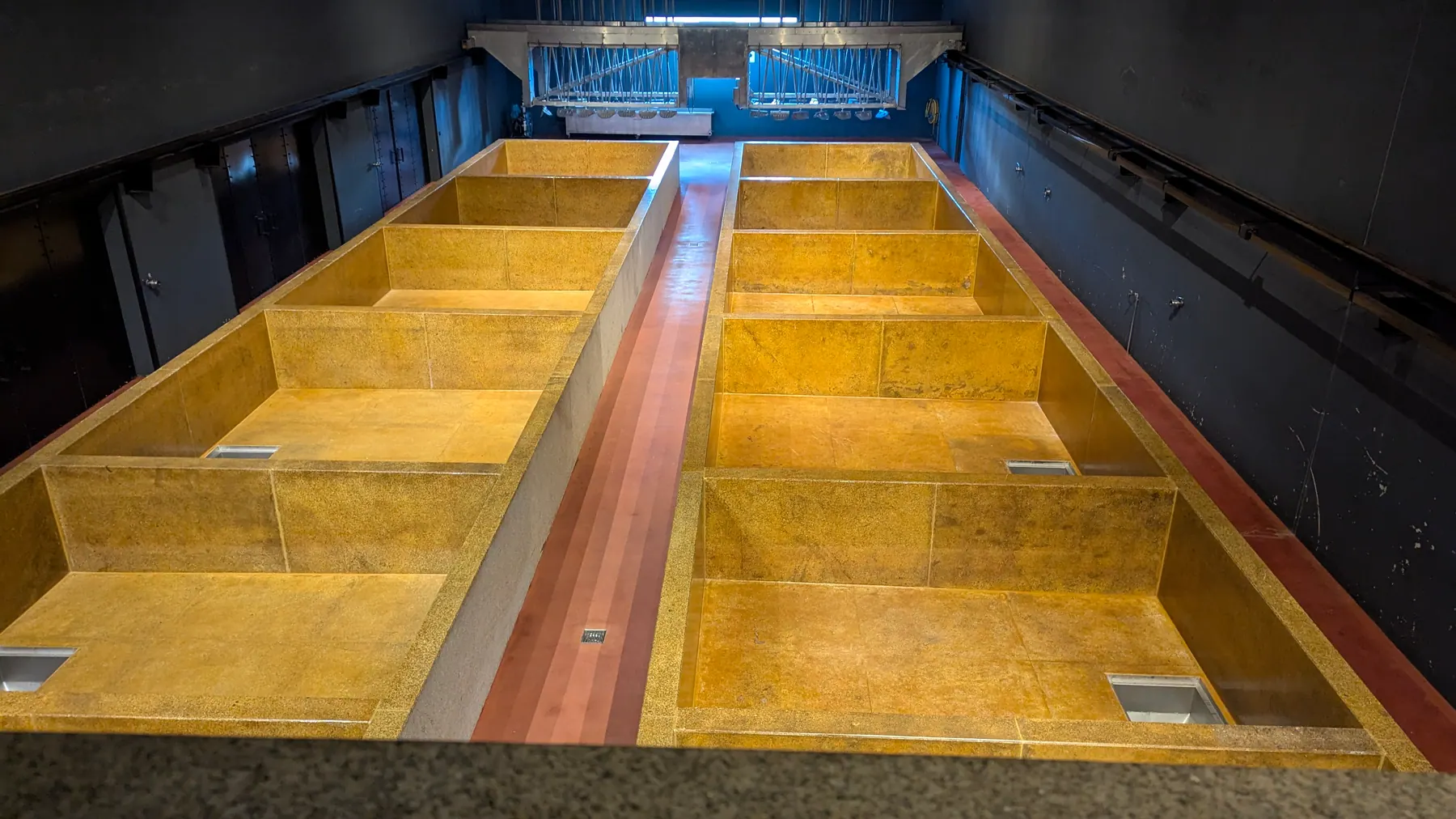
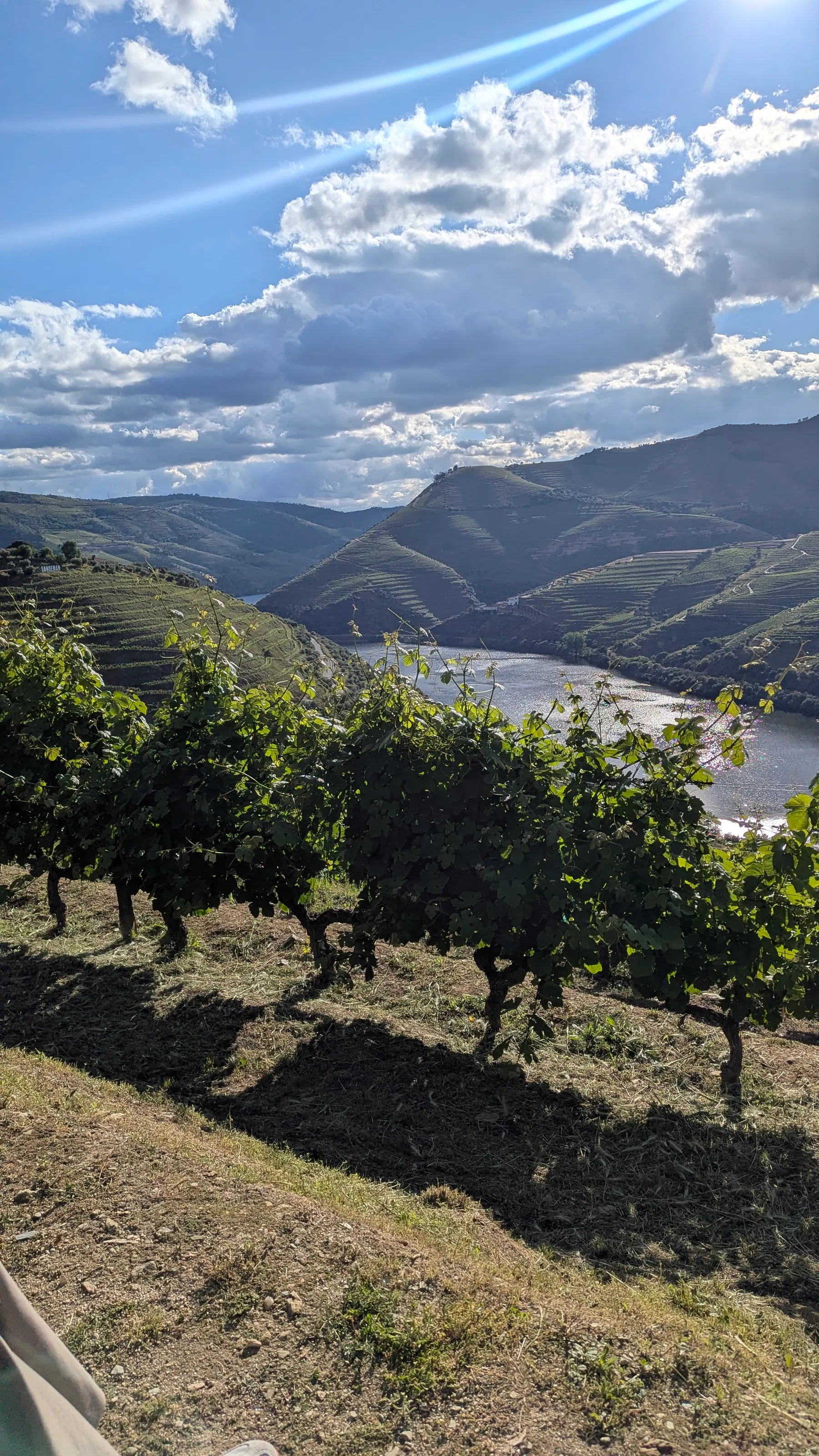
The visit included a guided tour of the production facility explaining the winemaking process from harvest to ageing, ending with a tasting of three different Port wines for €25. One practical note: we visited in May which is outside the harvest season, so the actual grape pressing wasn’t happening. Instead we were shown a video of the process - informative but worth knowing in advance if you’re hoping to see it live. For the full experience including the harvest, visit between September and October.
Knowing the process - the harvest, the terroir, the ageing - means that every glass of Port from now on will taste different, carrying those stories and that landscape with it.
My honest verdict on Port wine itself: sweet, smooth and delicious as a dessert wine. If you prefer drier wines like I do, the sweetness can feel like a lot after a while. But in the context of those views and those terraces, it tasted exactly right.
One winery visit feels like the right amount for a short trip. It completes the Douro experience without overwhelming it.
Day 3 - Amarante: Unexpected Charm
The evening brought us to Amarante - a small town we’d added to the itinerary as a relaxed conclusion to the Douro trip. The name reminded me faintly of the Italian word amante - lover - which felt rather fitting for a place this charming.
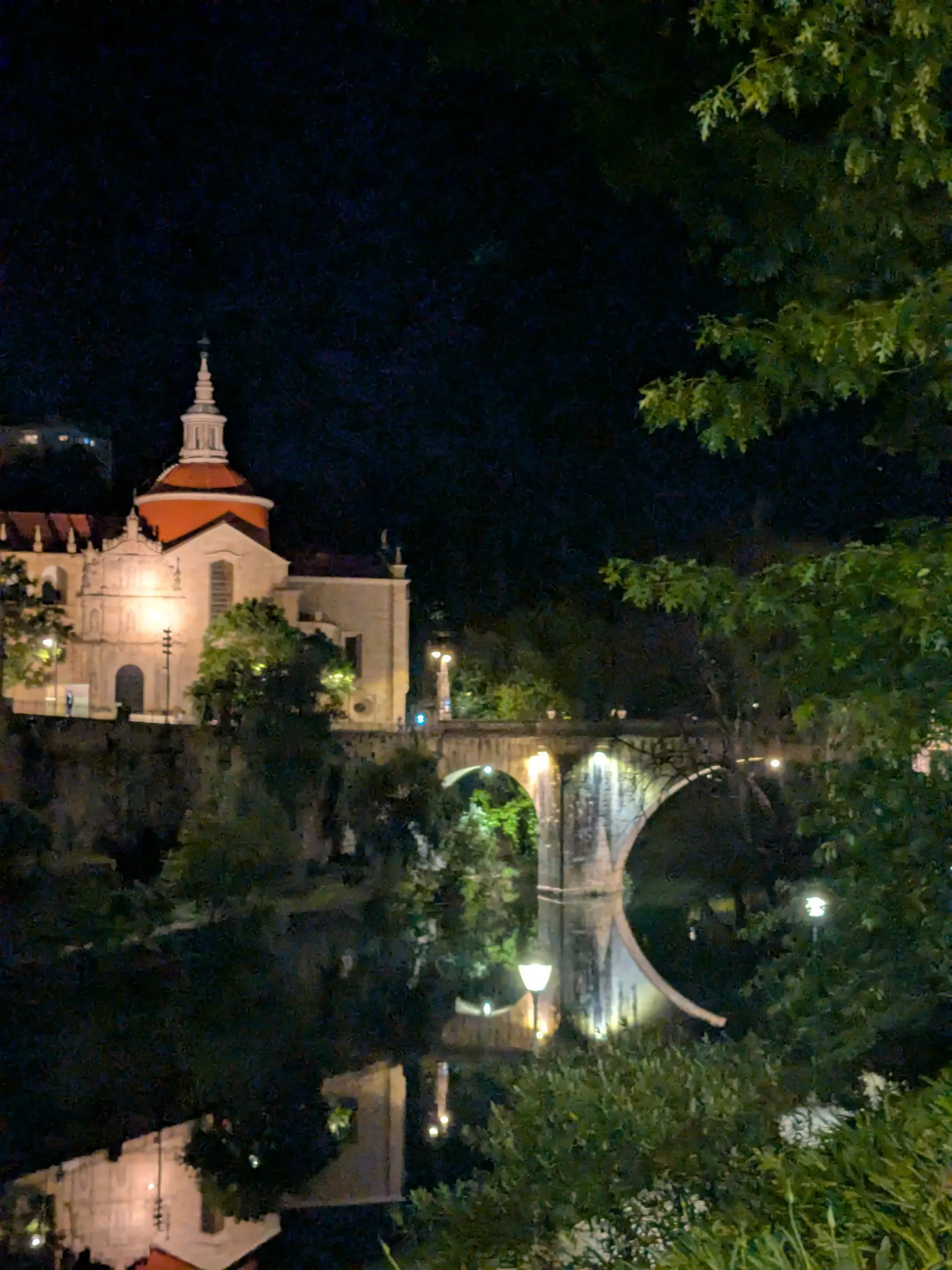
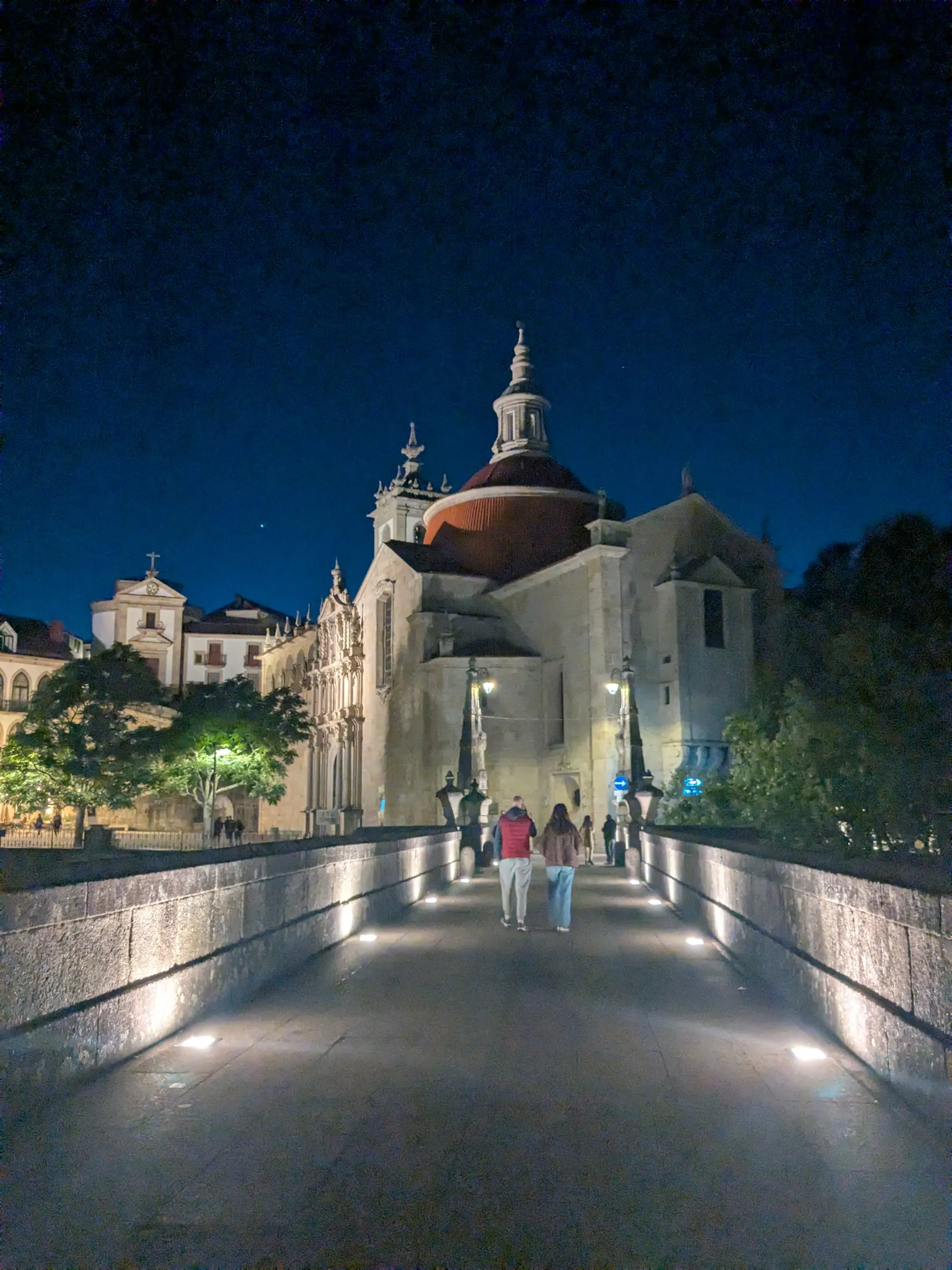
Amarante is compact - a couple of hours is enough to see it. We arrived in the evening, had dinner and wandered briefly, but the winery visit and the wine tasting had done their work thoroughly - we were pleasantly exhausted and went to bed early without any guilt whatsoever.
The next morning we explored a little more. The historic centre is small but rewarding - the São Gonçalo Church and Convent, dating back to the 16th century, sits right on the banks of the river next to the old medieval bridge, and together they make one of the most picturesque spots in northern Portugal. The riverside walk extends well beyond the town into increasingly rural greenery - we walked further than expected, the road becoming more natural the further we went, which was exactly what we wanted.
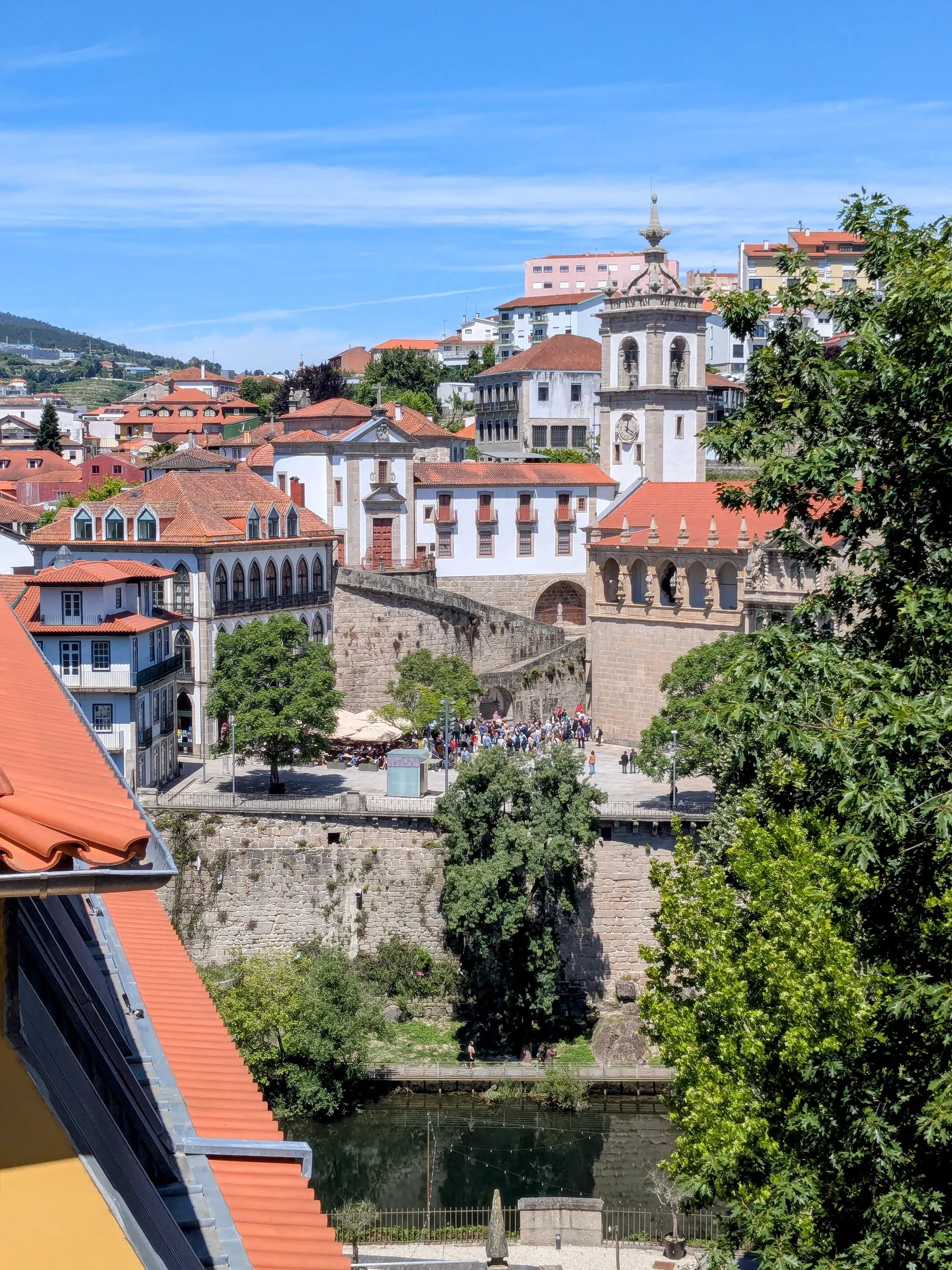
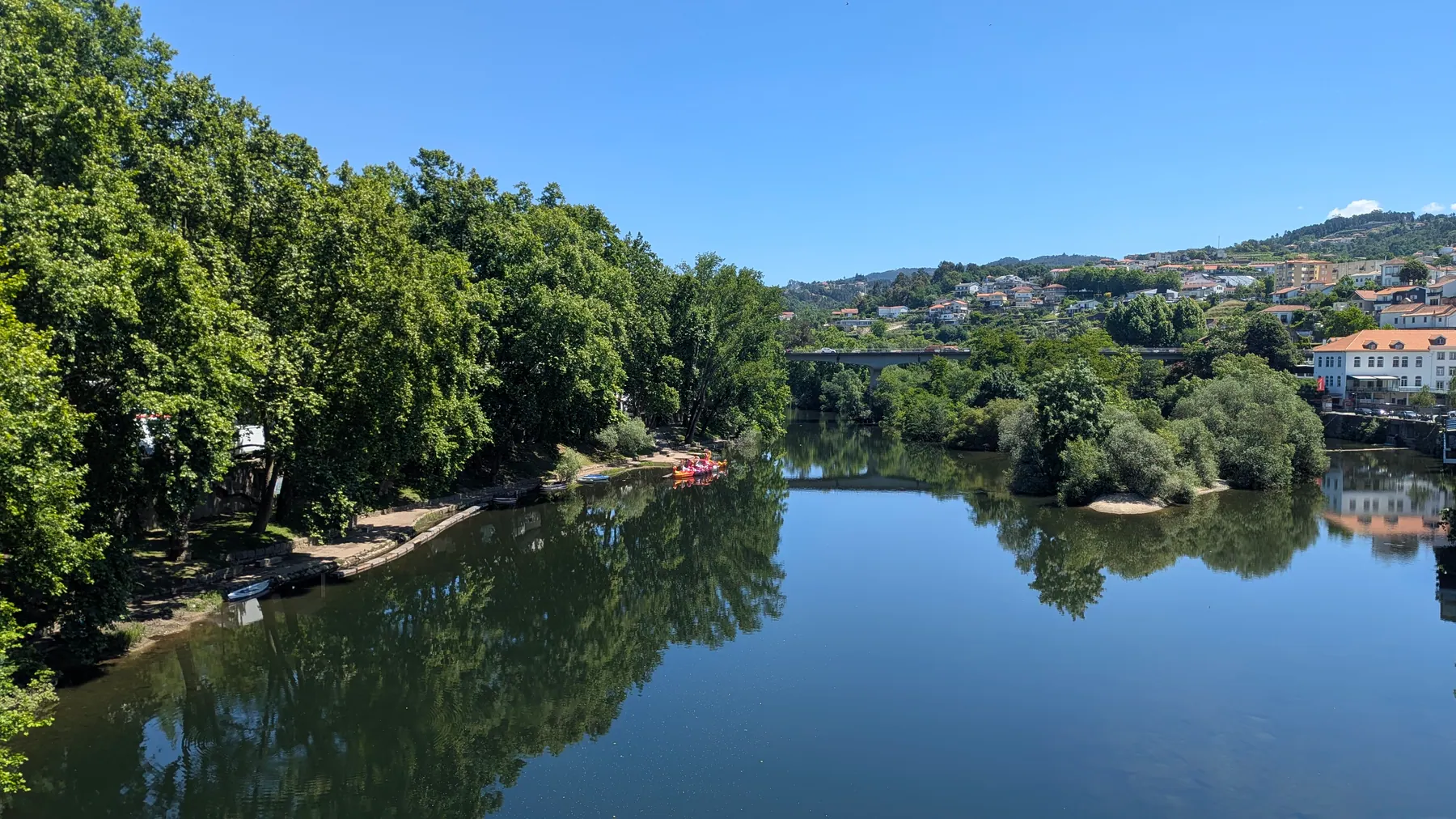
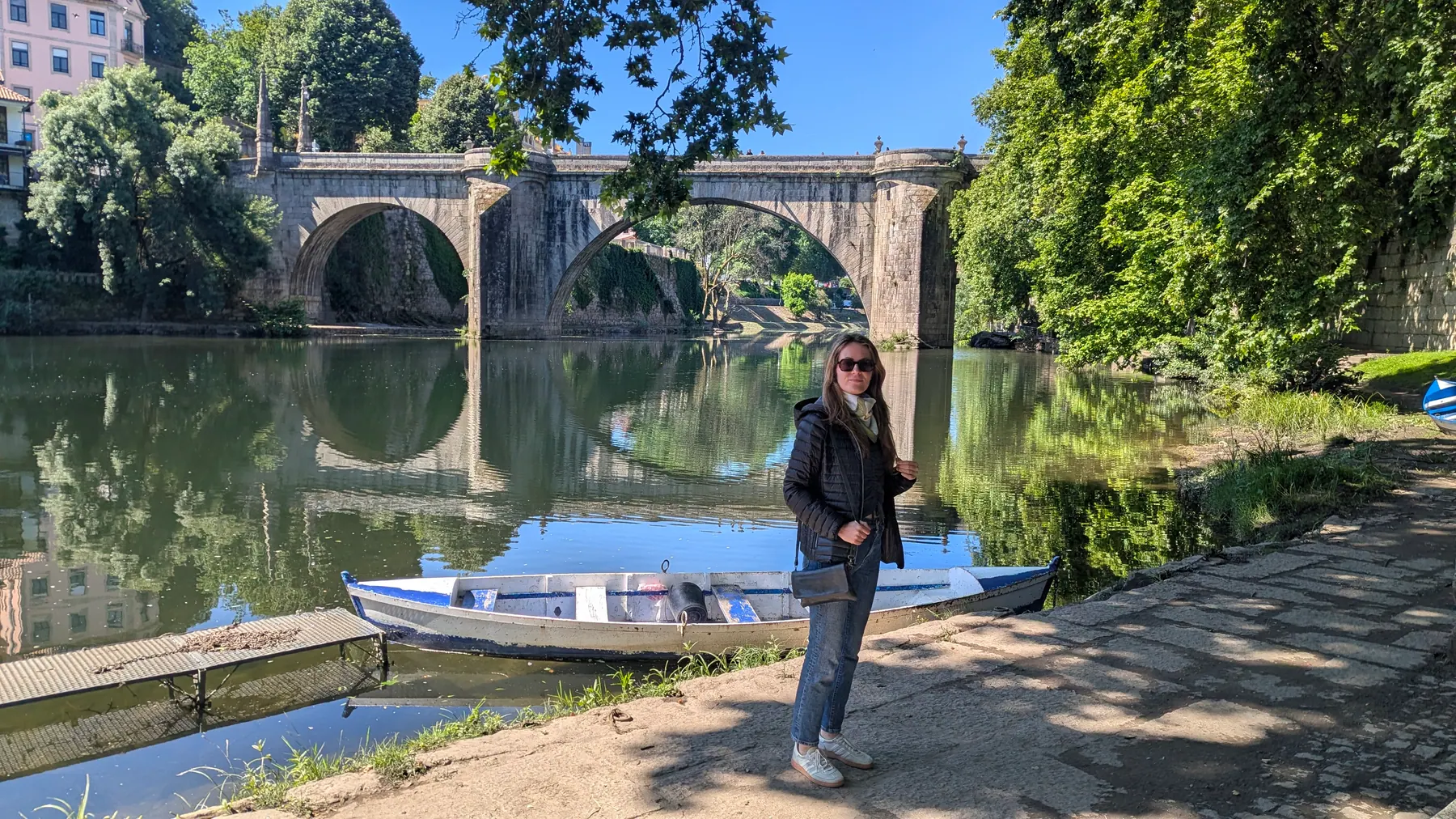
We also noticed students dressed in what looked remarkably like Harry Potter gowns heading somewhere - apparently a local academic tradition that added an unexpected and charming touch to the morning.
On the Way Back - A Celtic City Under Your Feet
On our drive back to Porto the following day, we made one final stop: Citânia de Sanfins - an excavated Celtic settlement that has been there, largely undisturbed, since between the 5th century BCE and the 2nd century CE.
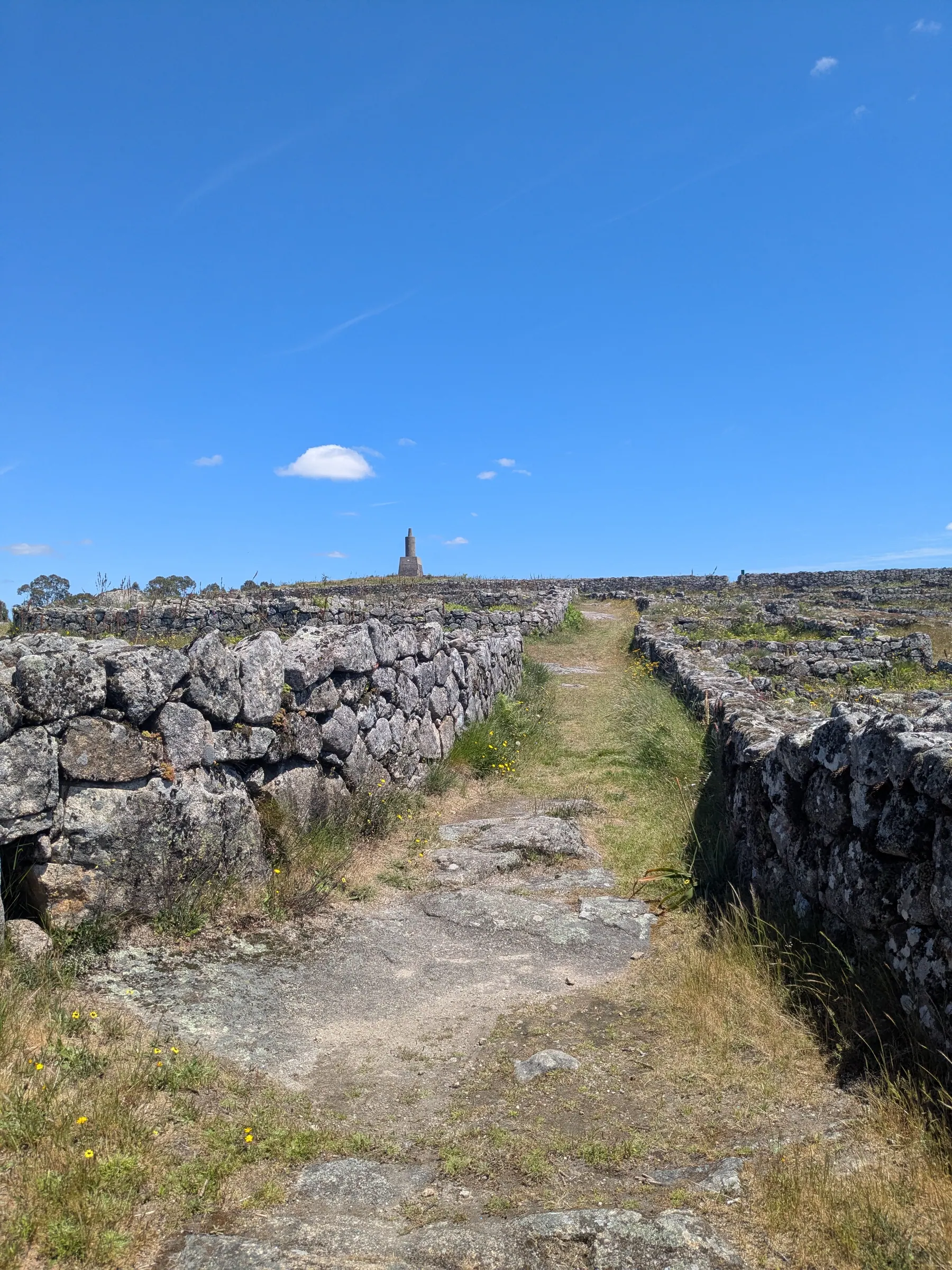
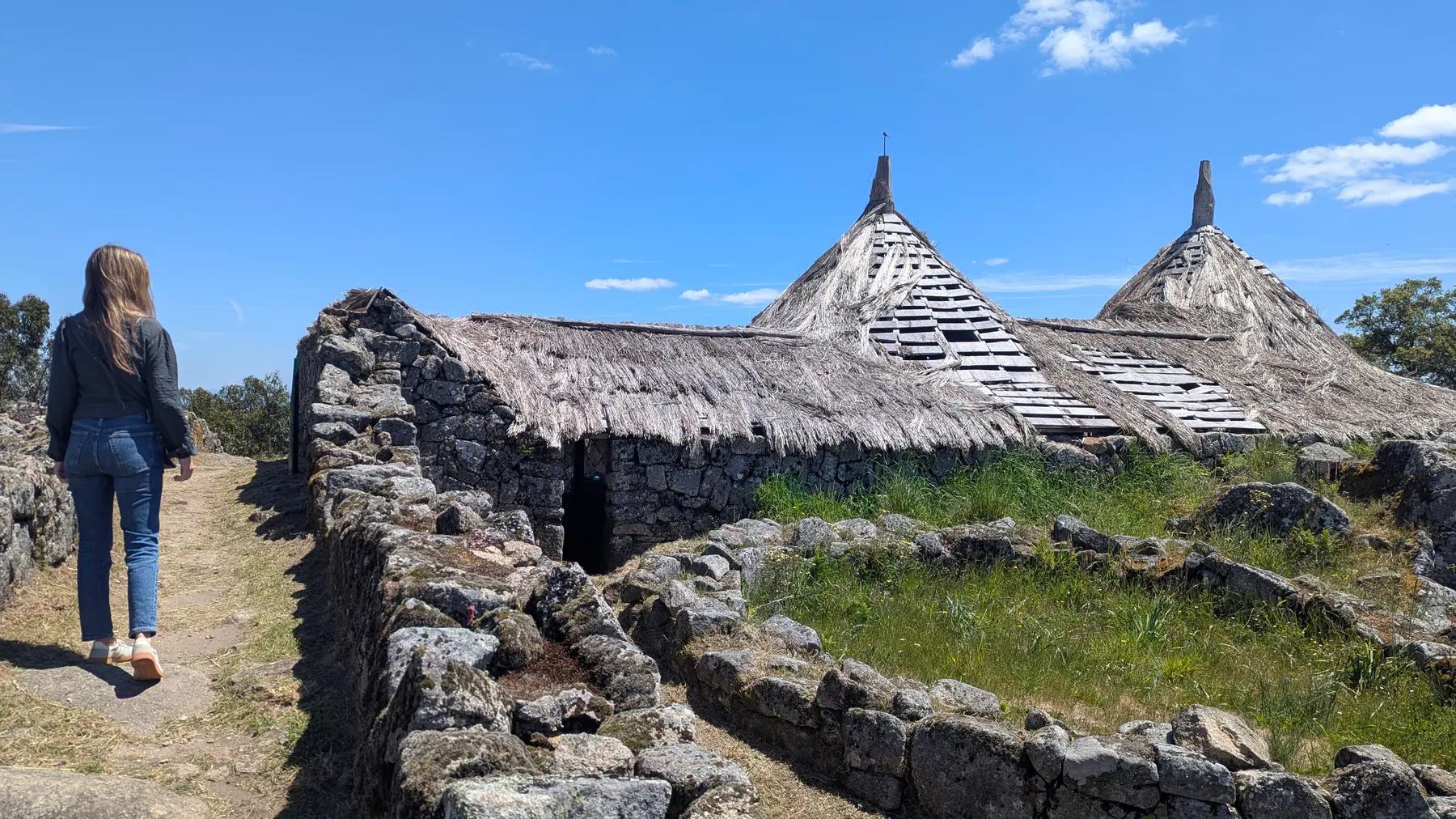
The site contains the remains of a triple ring of defensive walls surrounding around 100 stone dwellings - circular huts built without mortar, streets of stone slabs, evidence of a public sauna and bathhouse decorated with Celtic motifs. Thousands of years of daily life, right there under your feet.
It was fascinating in the way that only very old places can be - the realisation that the rocks you’re walking on are the same ones those Celtic communities walked on more than two thousand years ago. What struck me most was how organised and considered their settlement was - streets, communal spaces, a water system. These were not primitive people.
The only sadness is the state of the site today. There appears to have been a visitor centre at some point - now an abandoned building. It’s a shame, because with proper investment this place could be educational and compelling for visitors. As it stands, it rewards the curious traveller who seeks it out, but it deserves so much more attention and care than it currently receives.
Final Thoughts - Is Douro Valley Worth It?
Here’s the honest truth: the Douro Valley was supposed to be the complementary part of our Porto trip - a nice add-on, a day in nature. It turned out to be the highlight of the entire journey.
Sometimes travel surprises you like that. You go somewhere with modest expectations and it quietly becomes the thing you talk about most when you get home. The Douro Valley did exactly that.
It’s not a typical mountain scenery and it’s not a beach destination. It’s something more specific: a living, working landscape that has been shaped by wine production for centuries and wears that history visibly on every terraced hillside.
In May it wasn’t overly touristy - which added enormously to the experience. The towns felt real, the wineries honest rather than performative, the roads quiet enough to stop and stare whenever the view demanded it.
I’d highly recommend combining Douro Valley with Porto - they complement each other perfectly. The city gives you culture, energy and architecture. The valley gives you nature, wine and a completely different pace of life. Together they make one of the best short trips in southern Europe.
Go. And don’t be surprised if it becomes your favourite part too.
Practical tips:
- Take the N222 scenic road - do it slowly and stop often
- Book winery visits in advance especially in summer and harvest season
- Visit September to October if you want to see the grape harvest live
- One winery visit is the right amount for a short trip
- Lamego is an underrated base - quieter than Pinhão and full of character
- May is a great time to visit - the valley is green, uncrowded and at its most beautiful
Have you been to the Douro Valley? Which quinta did you visit? Drop a comment below!