

Sigulda · Vidzeme · Latvia
A Day in Sigulda: Latvia's Adventure Town in the Gauja Valley
A perfect Latvia day trip, provided you respect the hills.
A day in Sigulda, Latvia, by bike: castles, caves, adventure parks, Gauja Valley views, practical transport tips and the hill that beat us.
Quick facts
- Getting there
- Sigulda is about 50 km from Riga; the train takes a little over an hour.
- Trip length
- One full day covers the highlights, although two days would feel less rushed.
- Transport
- A car is easiest; a bike works if you are ready for steep hills and rougher trails.
- Good for
- Forests, sandstone cliffs, caves, castles, viewpoints, outdoor adventure and family trips with children.
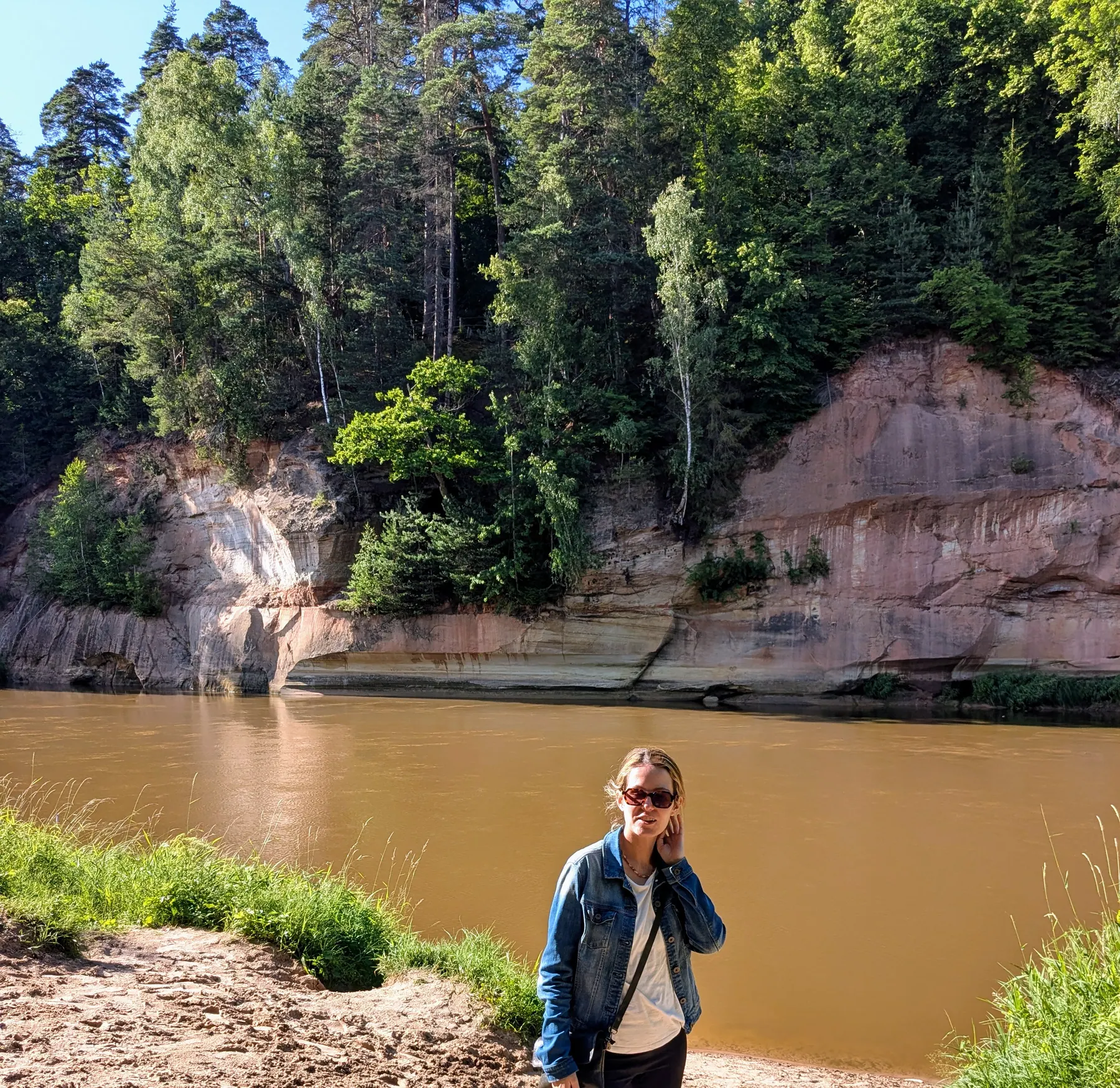
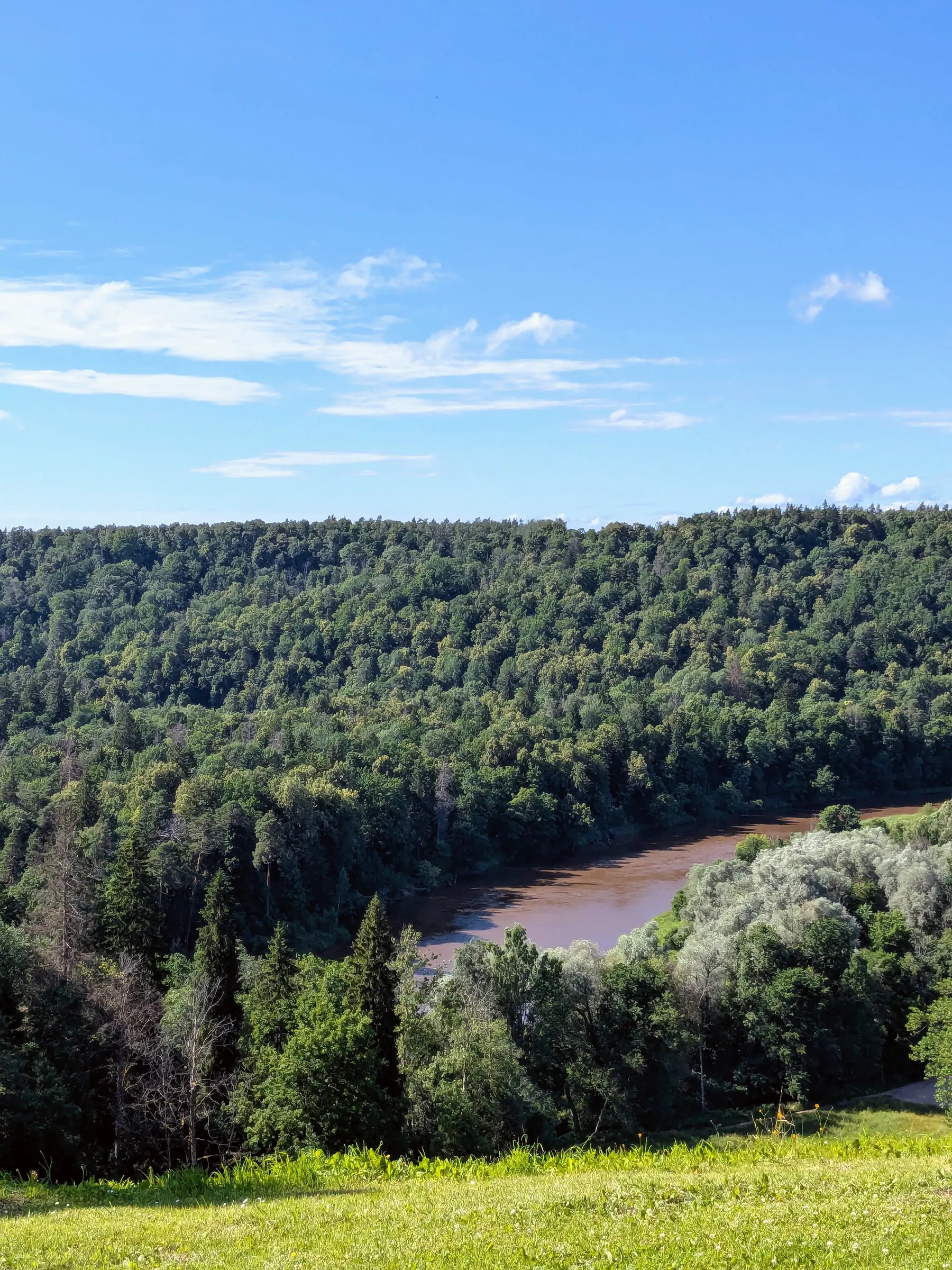
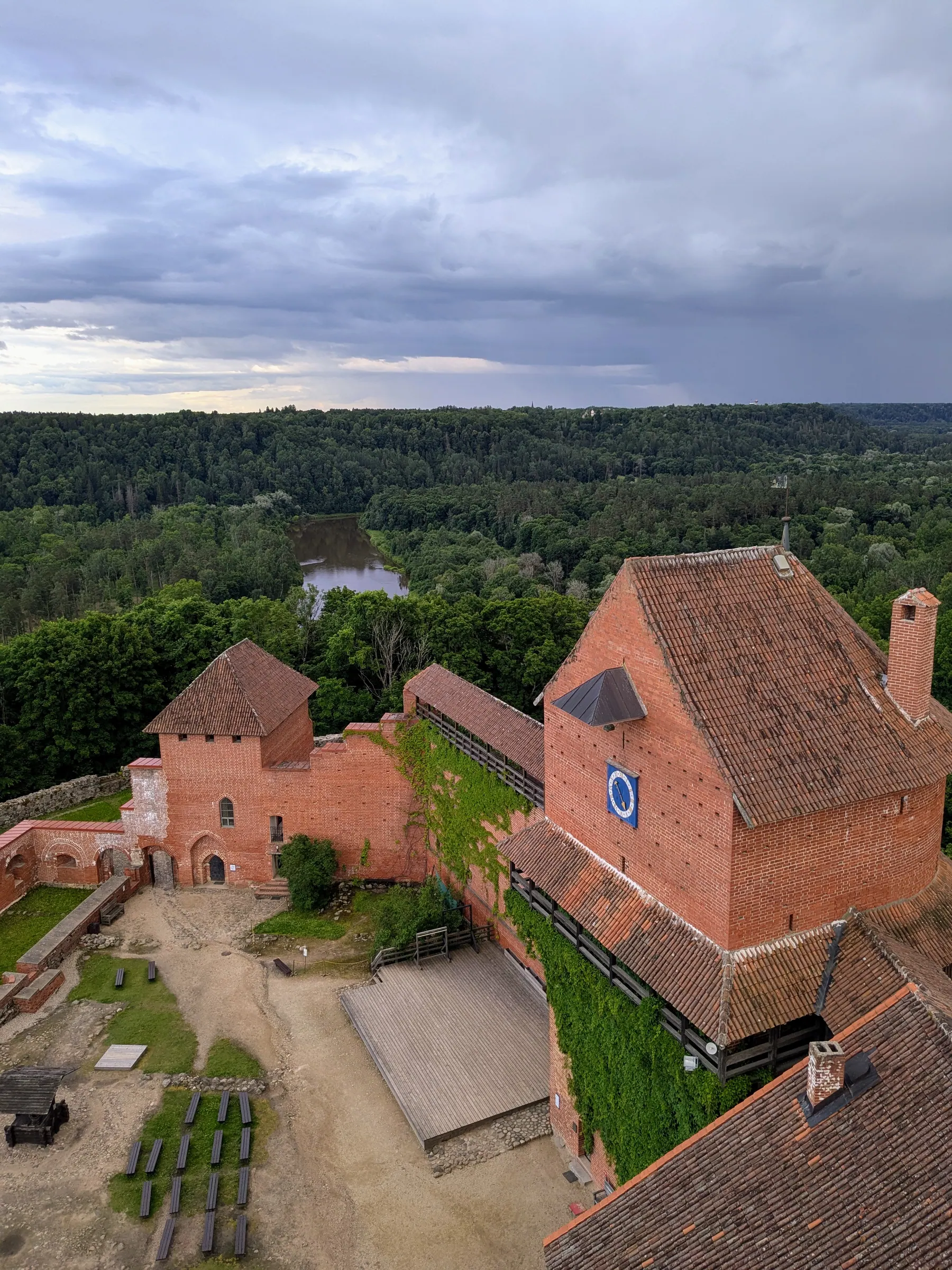
Sigulda is the town most Latvians would name if you asked them where to go for a day in nature. In autumn especially, it becomes a real hot spot for Latvians - the whole valley turns colour and everyone seems to head there at once. It sits about 50 kilometres from Riga in the Gauja Valley, and it has castles, caves, forests and a river. The valley itself is what makes it special: a deep, green river valley with red sandstone cliffs rising out of the forest, medieval castles standing on both sides of it, and an ancient cave at the bottom. There is nowhere else in Latvia quite like it.
We went in summer, on a bike, with my boyfriend from Spain. I wanted to show him the Latvia I grew up with. What I had forgotten, until the very end of the day, is that Sigulda is built on hills - and hills and bikes are a challenging combination.
Getting there
We started from my hometown, Ikšķile: a train to Riga, then another train to Sigulda, with our bikes coming along with us. Latvian public transport is cheap, which still surprises visitors. The whole trip cost around €4.70 one way.
If you’re coming from Riga, it’s simple: Sigulda is about 50 km away, the train takes a bit over an hour, and a one-way ticket costs around €2.80.
That said, going by car is the easiest option. Sigulda’s sights are spread out across the valley and across both sides of the river, so a car lets you stop at different places without losing time getting between them.
One note on seasons, because it matters here. Latvia has four very distinct seasons: deep green in summer, colourful in autumn, snowy in winter, and blooming in spring. Sigulda is best known for autumn, and that reputation is deserved. But summer is beautiful too, and it comes with long days and warm evenings.
Lunch first
We arrived around 14:00, later than planned because the first part of the day brought quite heavy rain, so we had to plan the trip for later. We immediately went looking for food and got lucky: we found Bazārs Sigulda. It is a buffet-style place where you pick what you want and pay quickly - and the quality was much better than buffet food has any right to be. I had a lentil curry with chicken and greens, then a cinnamon roll with cream on top for dessert. A main dish costs around €8. If you’re arriving hungry and don’t want to lose an hour to a restaurant, this is a good place to go.
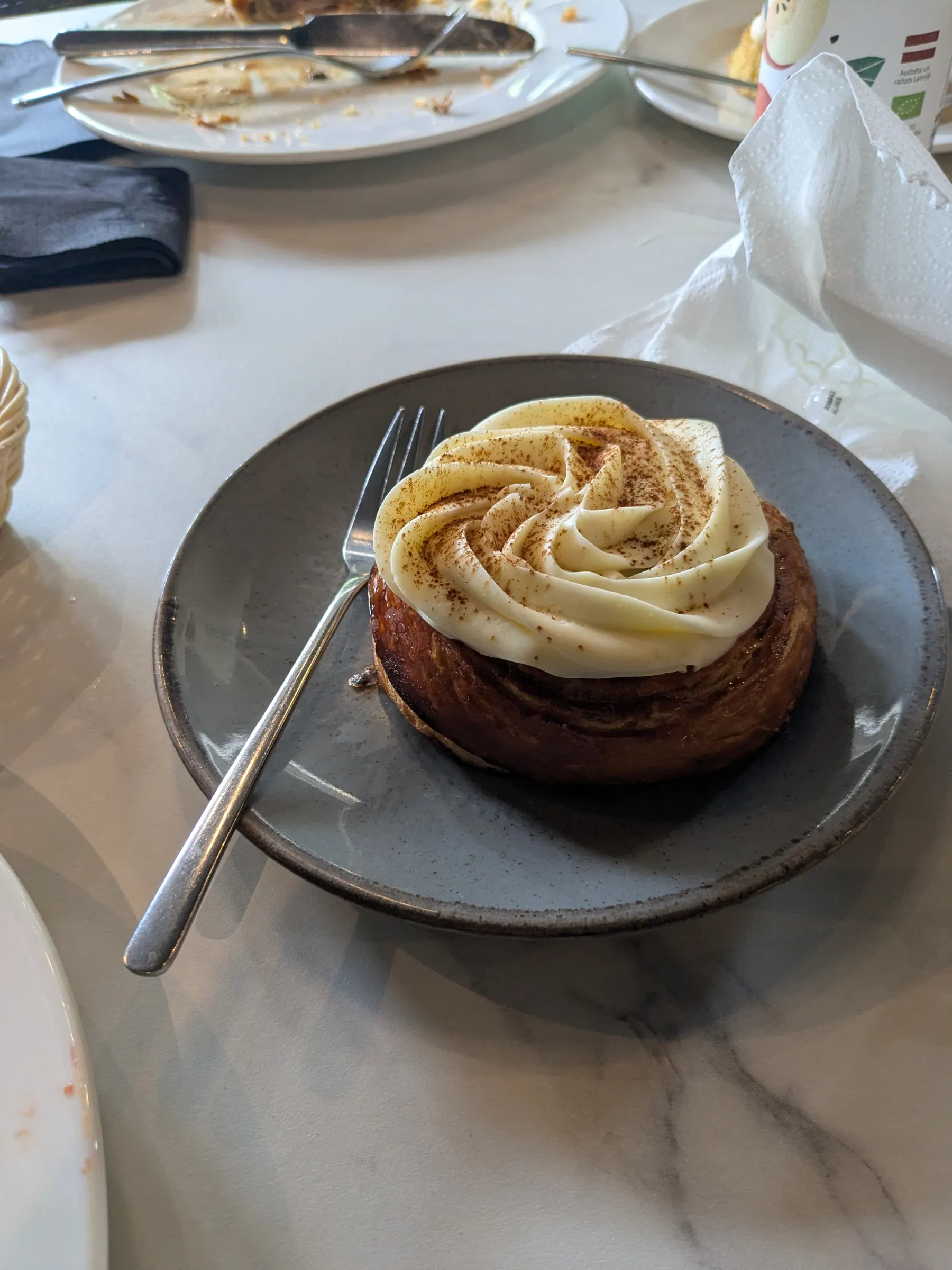
Then, because life is not only sightseeing, we stopped at a hairdresser so my boyfriend could get his hair cut. Travel sometimes can be glamorous too.
After that we went to the tourist information centre by the train station, asked about the cycling routes, and got a map and a quick explanation of which trail would take us past the most places. That five-minute stop shaped the entire day, and I’d recommend it - although nobody warned us about the parts of the route where we would seriously have to cycle up the hill.
A remarkably green country
Cycling out of the centre, it was easy to notice how well kept everything was: flowers everywhere and no rubbish anywhere.
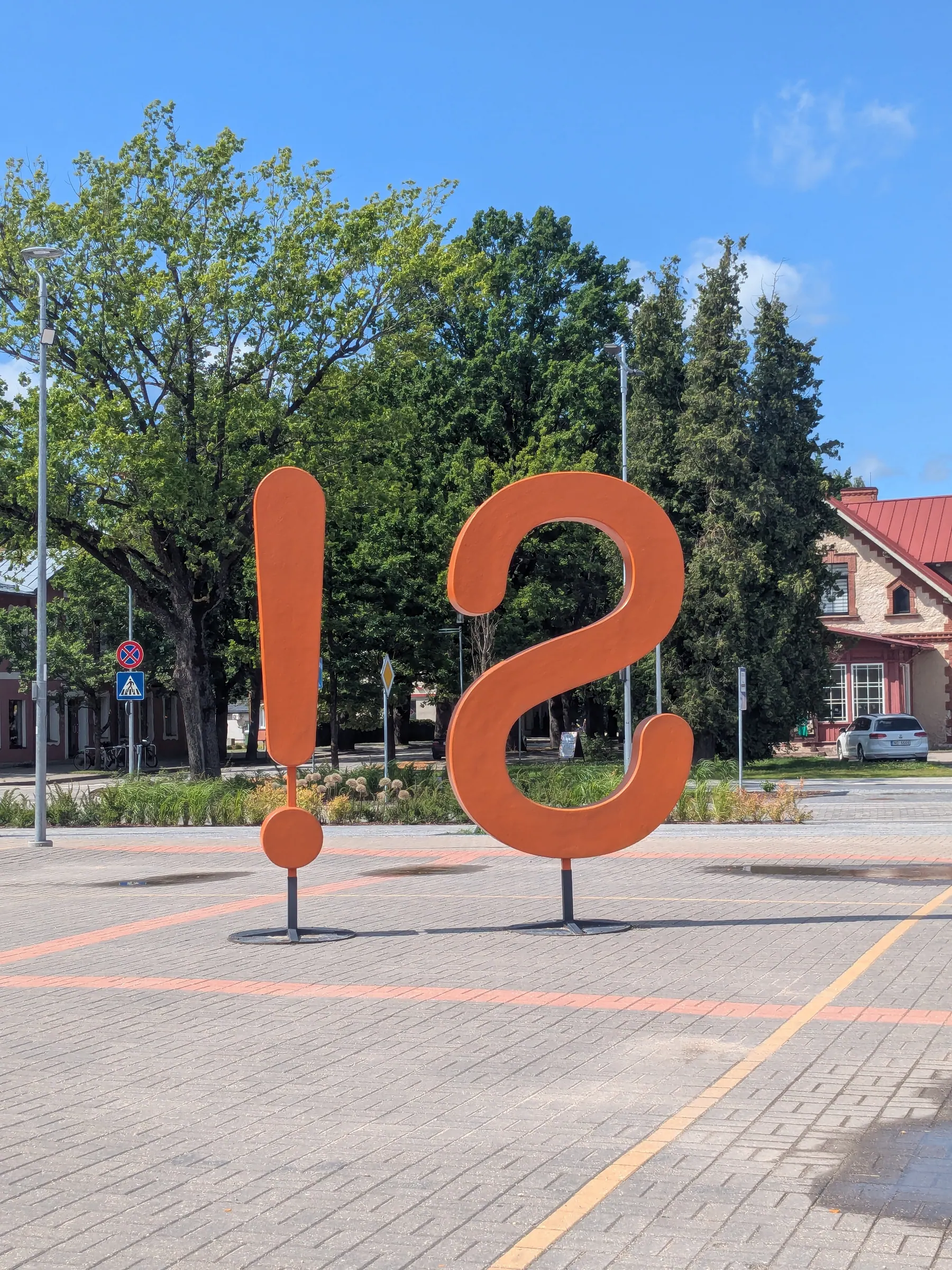
Latvia is indeed a green country. Over half of it is covered by forest, and nature isn’t a place you drive to at the weekend - it’s part of how people live, exercise and spend their free time. Every time I come back here from Spain, I feel it even more.
Tarzāns, and the toboggan I remembered from childhood
Our first proper stop was Adventure Park Tarzāns, the largest outdoor adventure park in the Baltics. I had tried a similar toboggan ride somewhere else as a child, and the toboggan ride here brought that memory back.
Here’s how it works: you sit in a small sled attached to a metal rail that runs down the hillside, and you control your own speed with a lever. Pull back to brake, push forward to go faster. It’s a bit like a roller coaster you steer yourself, and it can reach around 40 km/h. Then a chairlift carries you back up to the top. It cost €6, and doing it again as an adult, with the Gauja Valley forest rushing past, was a proper trip down memory lane. Children love it most, and they should.
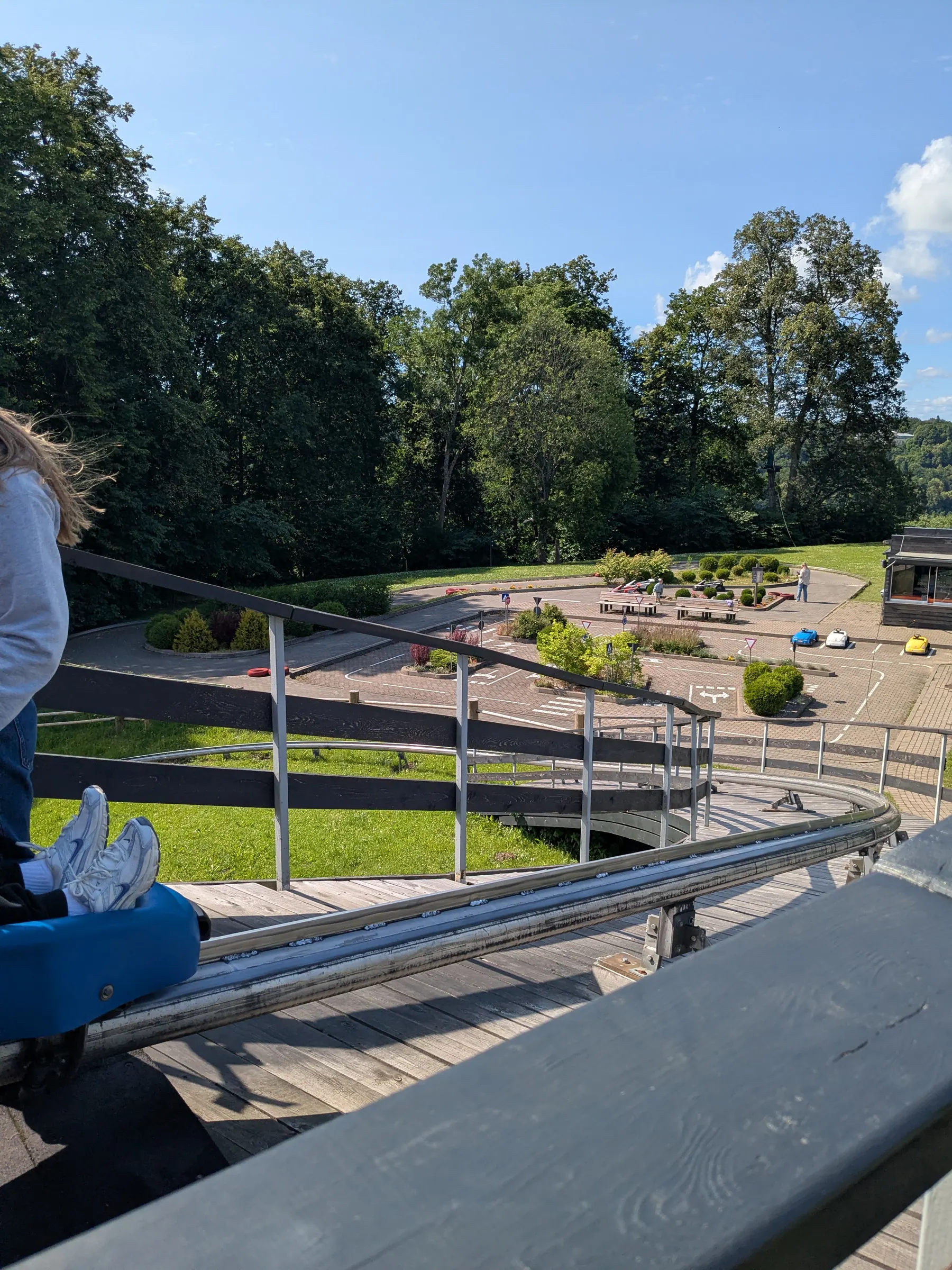
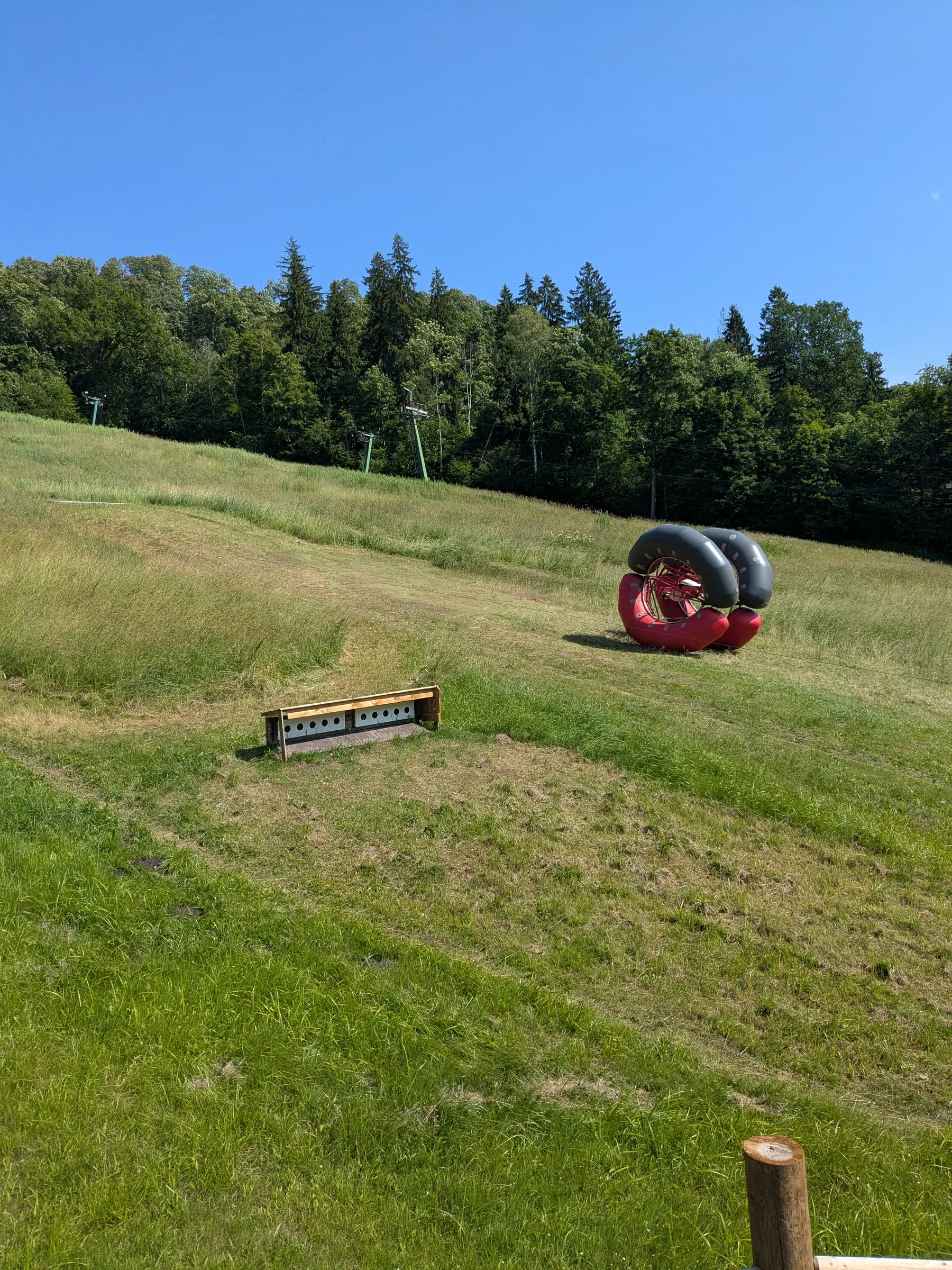
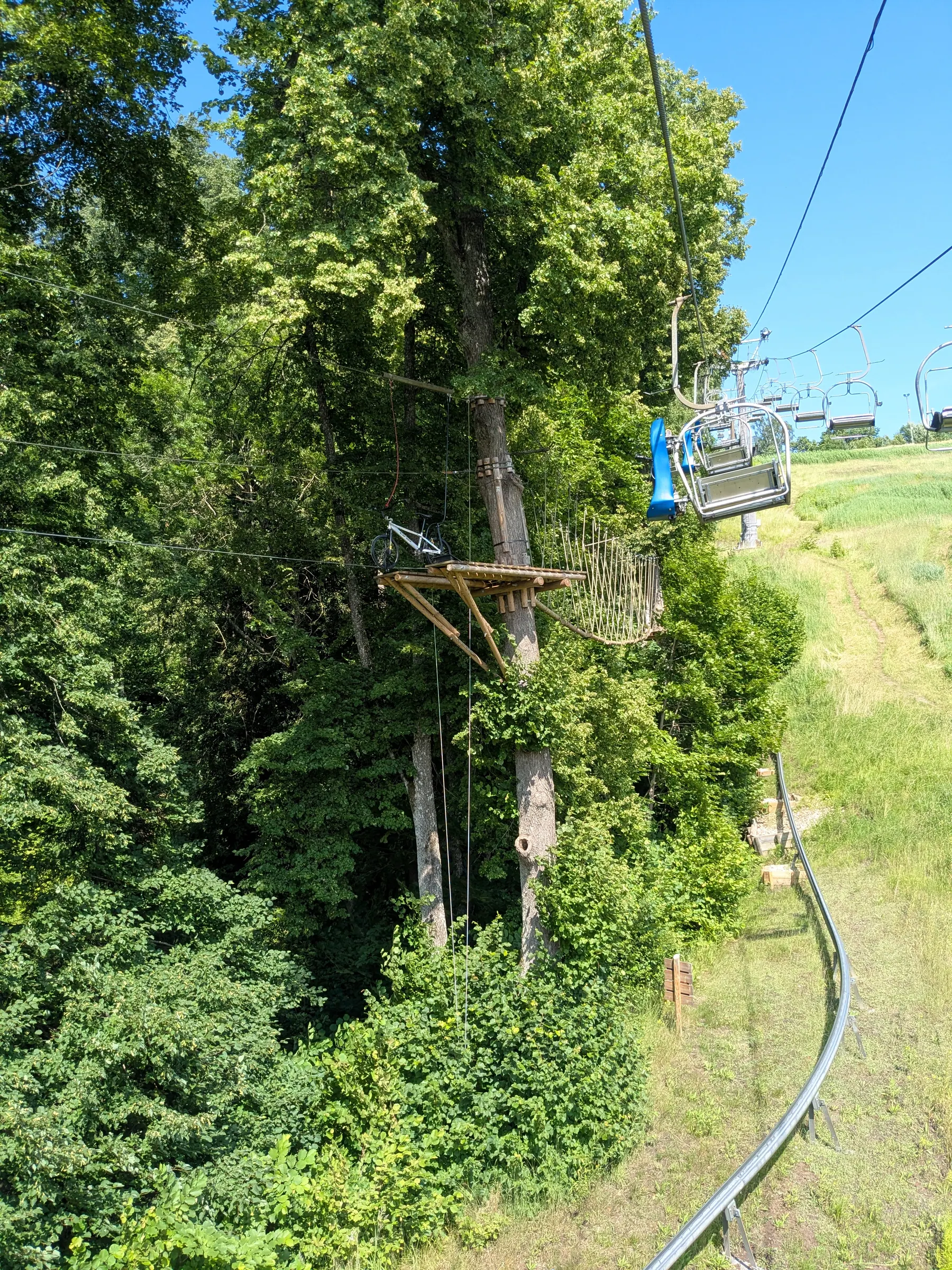
The park has far more than the toboggan: an obstacle course with over 140 obstacles up in the trees (up to 20 metres off the ground), a catapult, a giant swing, a climbing wall, archery, ziplines, and pedal karts. You could easily spend a whole day here if you had one.
The bobsleigh track (and a Latvian obsession)
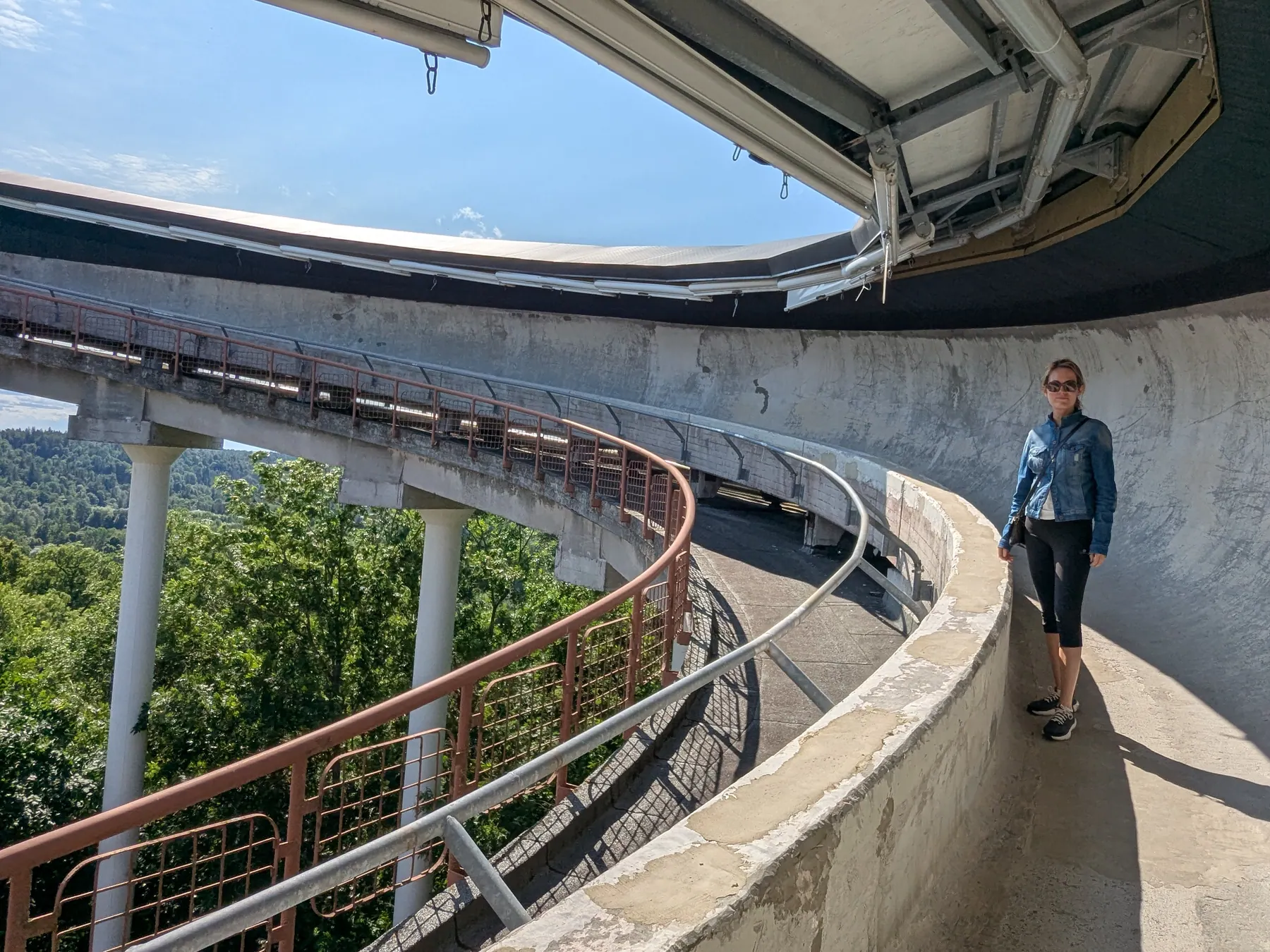
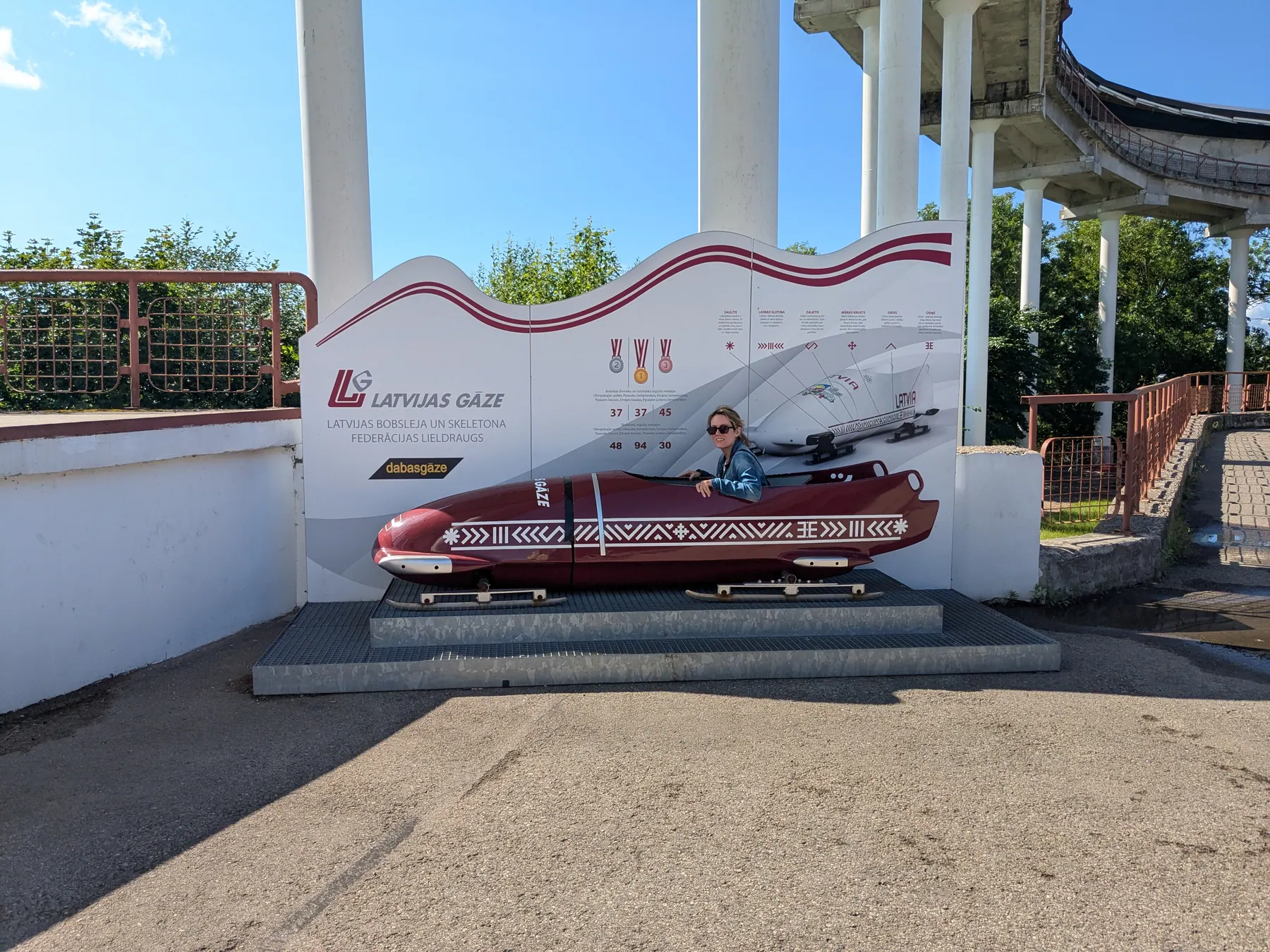
Next along the cycling path was the Sigulda bobsleigh track. If you’re wondering why a small Latvian town has a world-class bobsleigh run, here’s the thing: bobsleigh, luge and skeleton are Latvia’s sports. Every single one of Latvia’s Winter Olympic medals has come from these sliding sports, and Sigulda’s track - one of only about 18 in the world - is where the athletes train. Sigulda is, in many ways, an Olympic town, and it’s proud of it.
The best way to experience it is to ride it. Unfortunately, the rides only ran at weekends when we were there, and we’d come on a weekday.
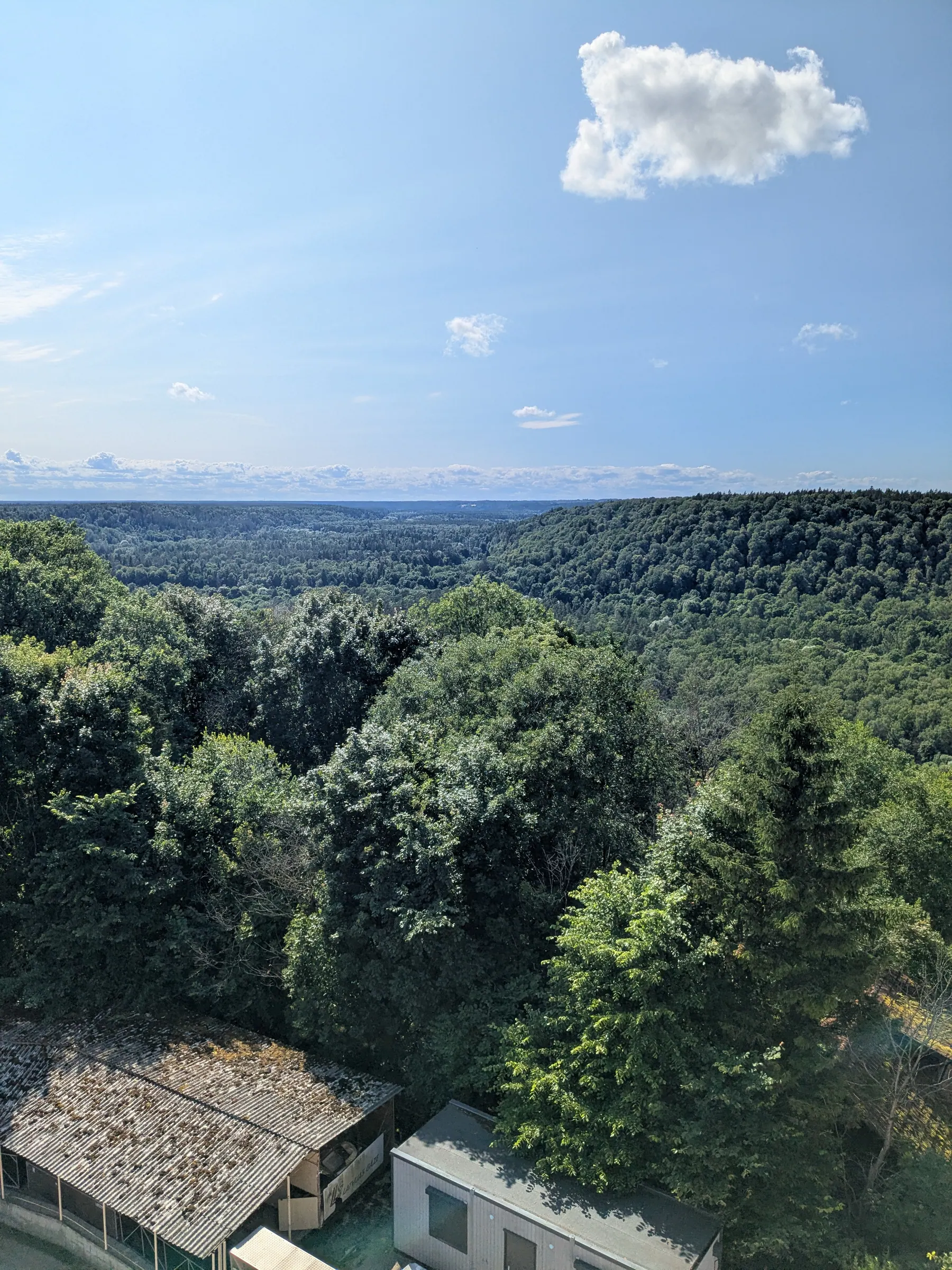
You can still visit and walk down the track for €4.50. And here’s my honest verdict: if you can, wait until the weekend instead. There’s no museum or exhibition, and walking down the concrete channel is not especially memorable. Save it for a weekend when you can experience it properly, in a bob. (There is a nice viewing terrace at the top, though.)
Into the Gauja Valley
We stopped at Kaķīškalns, a hill with wide green views - the kind of pure, unpretentious nature that Latvia does so well. There’s also an adventure park up here, Mežakaķis: an obstacle course built up in the trees, with 82 obstacles across six routes of different difficulty - ropes, nets, bridges, swings and ladders - and each route finishing with a zipline down. I did this course quite a few times in childhood, and it was always fun, especially for children. In winter the same hill becomes a ski slope. This is very Latvian: sport, exercise and nature are almost always the same thing here.
Heading on from there towards the Gauja River, we followed the bike trail but went too far at one point and had to turn back. A practical tip: keep the route map on your phone, because the signs are not always enough.
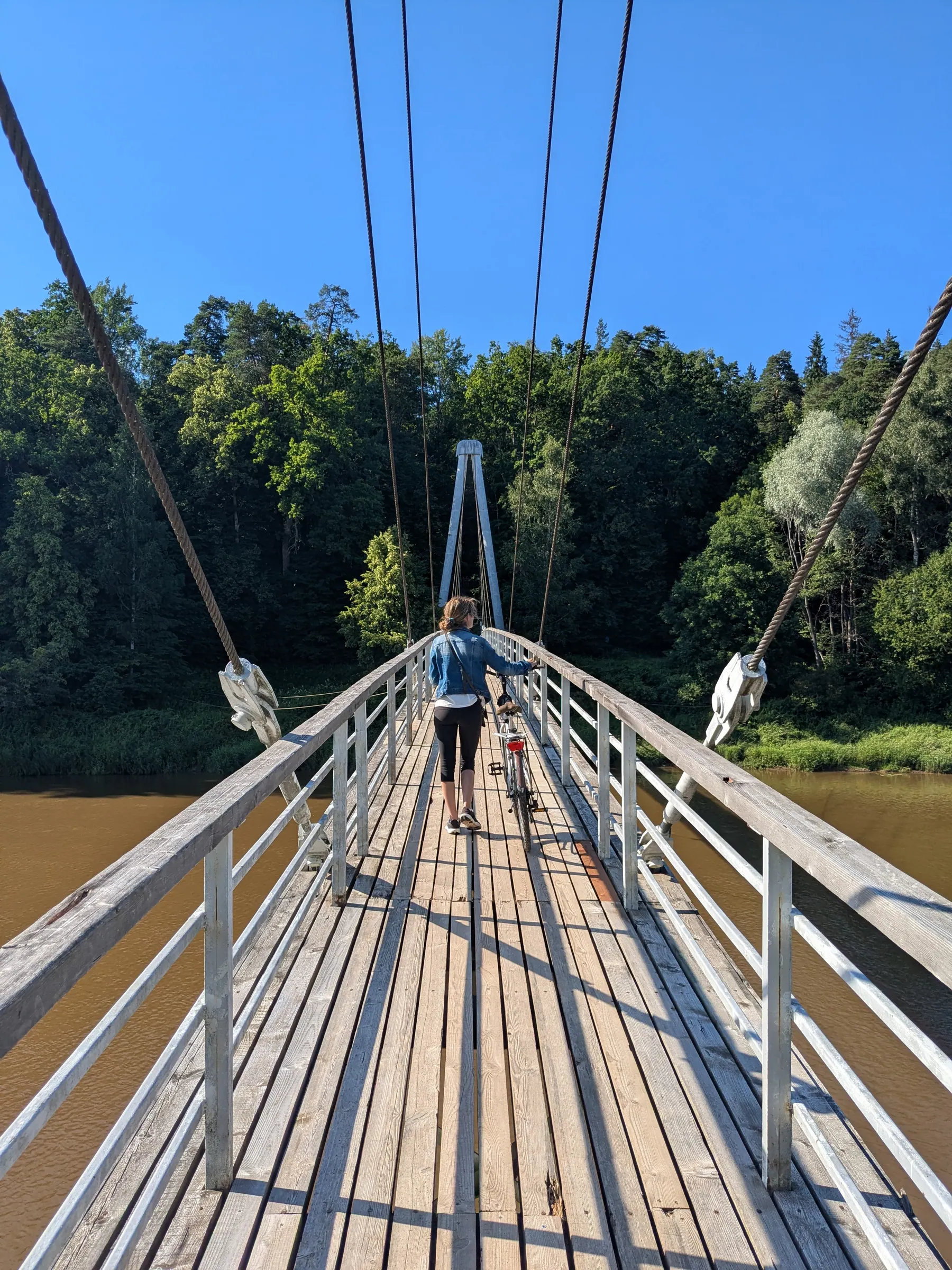
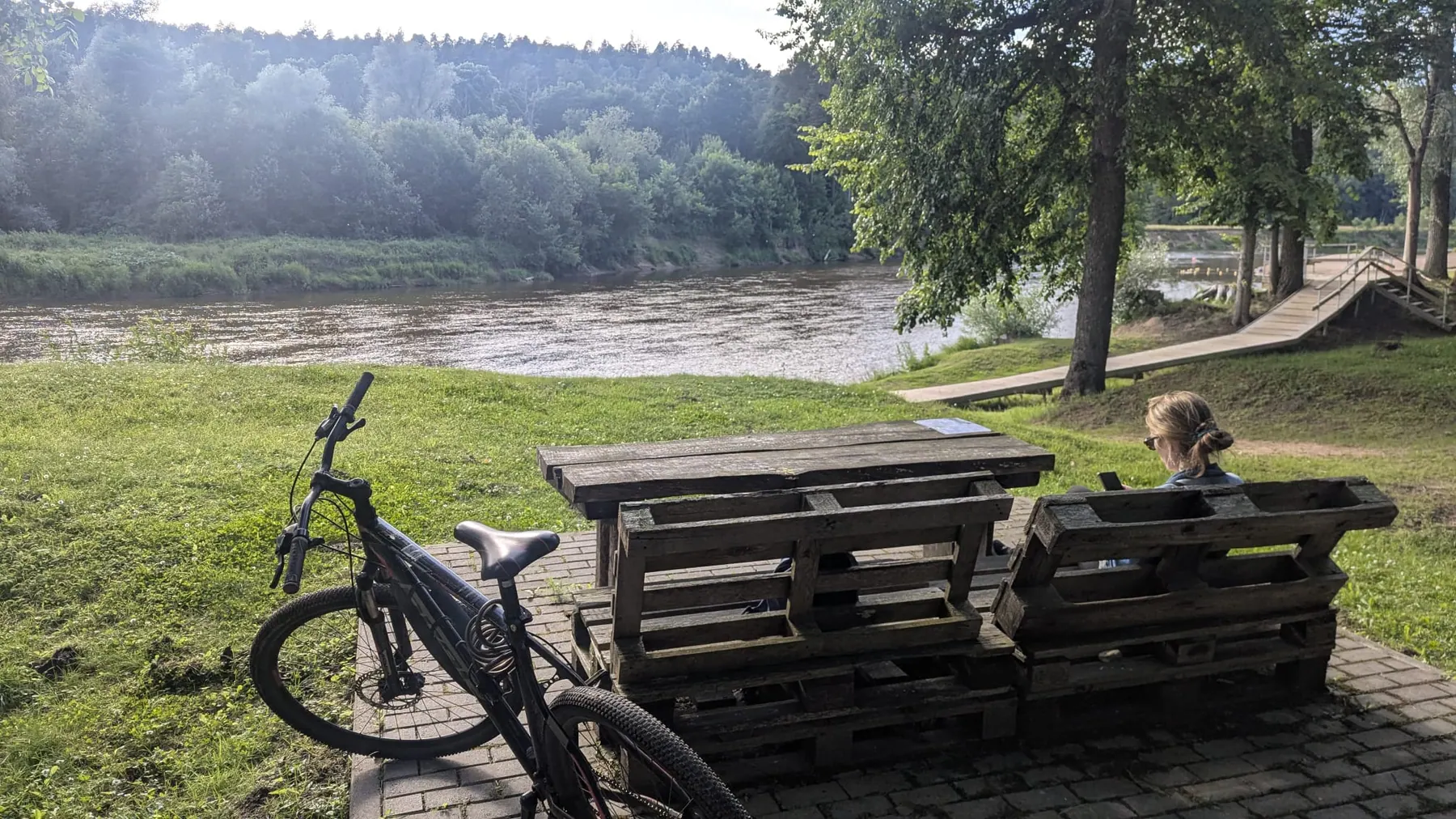
On the way we passed the Fischer Cross-Country Ski Centre, where people were training on wheels instead of skis - summer practice for winter sport. Then the path went into the forest and down to the river. We crossed the pedestrian bridge over the Gauja, with views along the water, and got confused about which bank to follow. We asked some locals, who told us to stay on the Sigulda side of the river - the side where the town centre is - and continue along it, and they were right: that’s where you get the best views of Velnala - the Devil’s Cave - set into the red sandstone cliffs rising straight out of the trees.
They were beautiful. Quiet, red, ancient-looking, with the river below. And we had them nearly to ourselves - we went on a weekday and saw almost nobody all afternoon. That’s one of the real pleasures of Latvia: it doesn’t get crowded. You can have the nature to yourself.
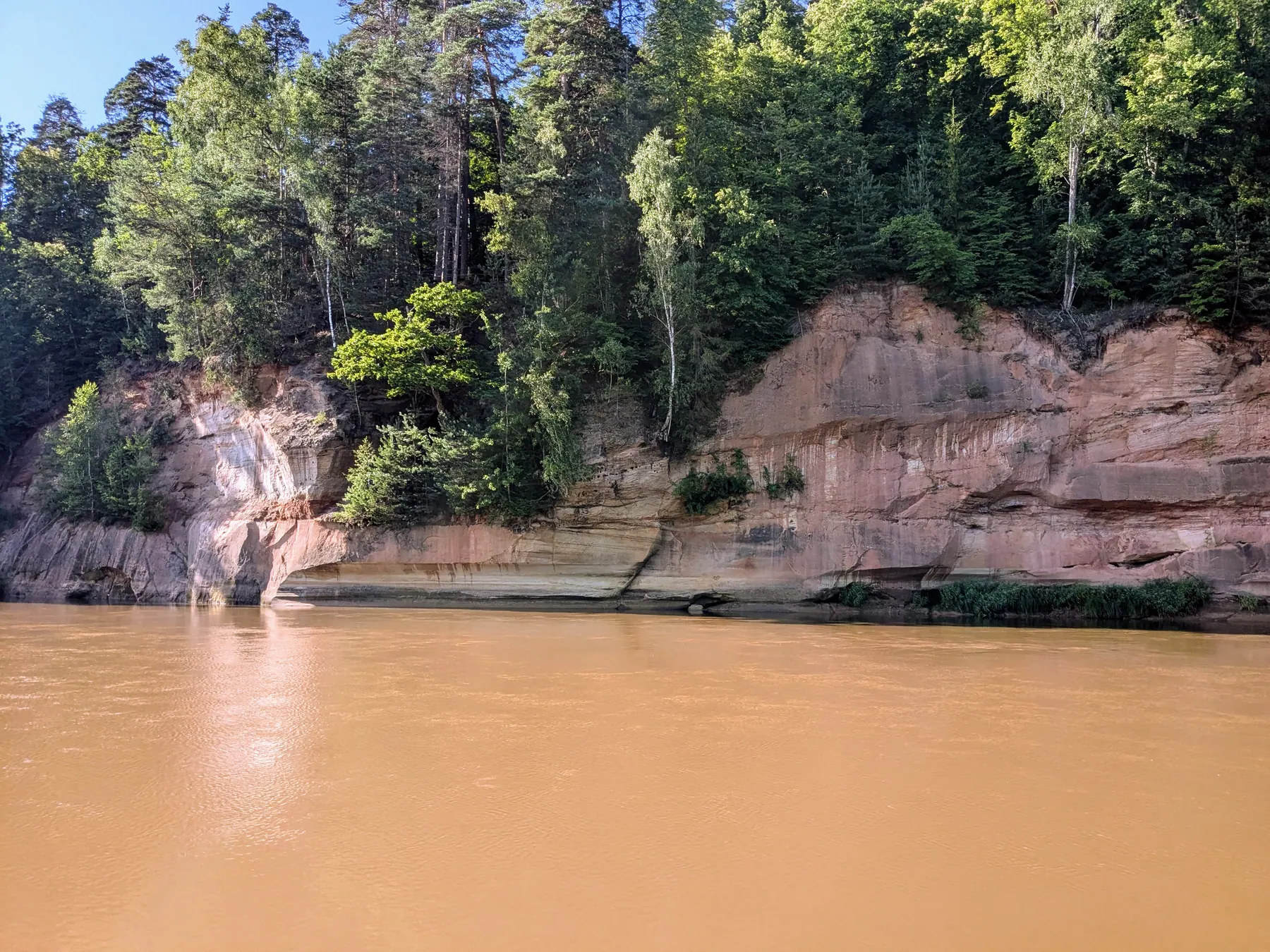
Two honest warnings about this stretch. First, the path is not really made for bikes - there are wooden walkways and small bridges where we had to get off and push. It isn’t hard or steep, just slow. Second, this is pure nature, and at one point something rustled loudly in the meadow beside us. We pedalled past faster, laughing, and decided not to find out what it was.
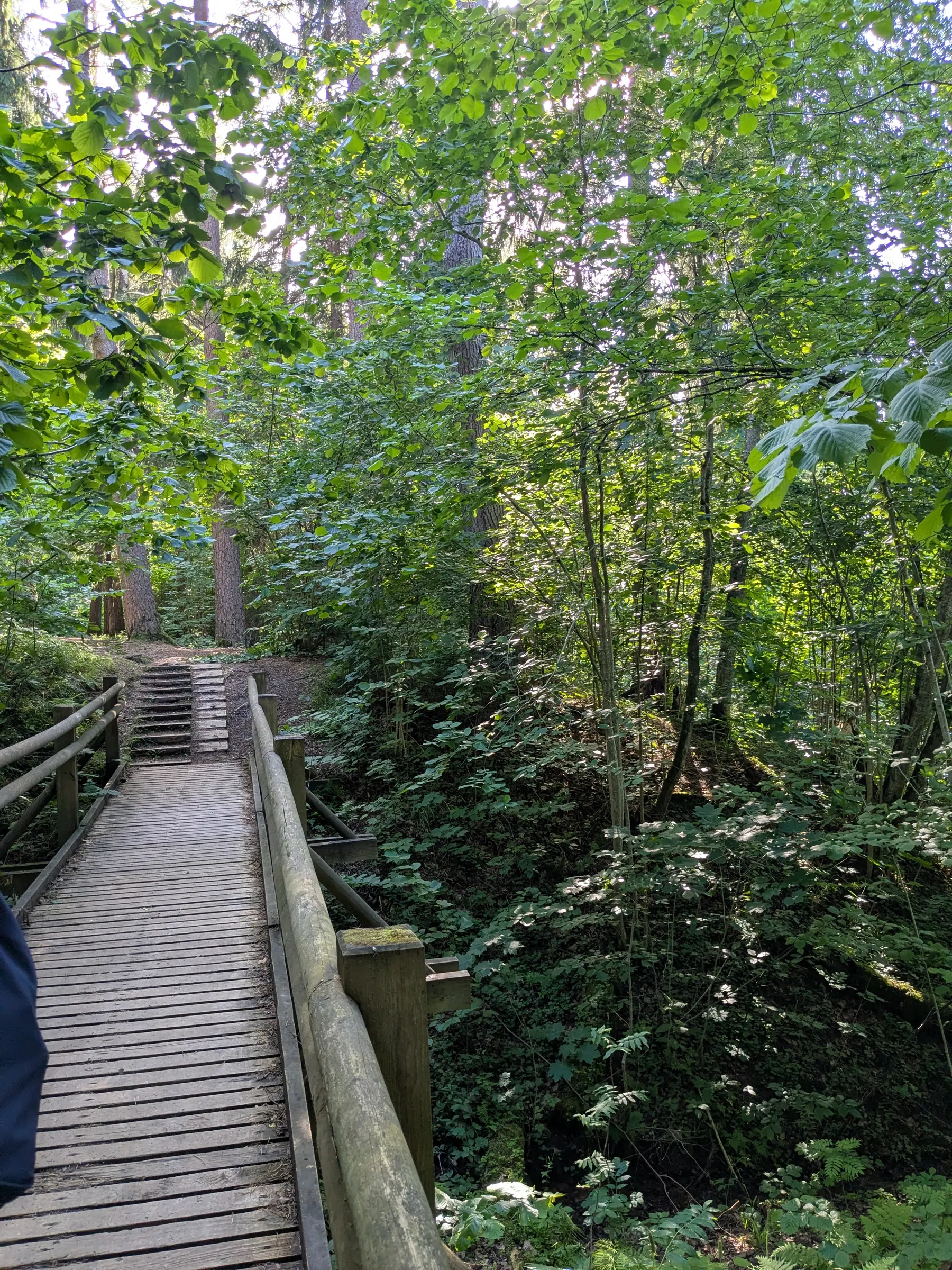
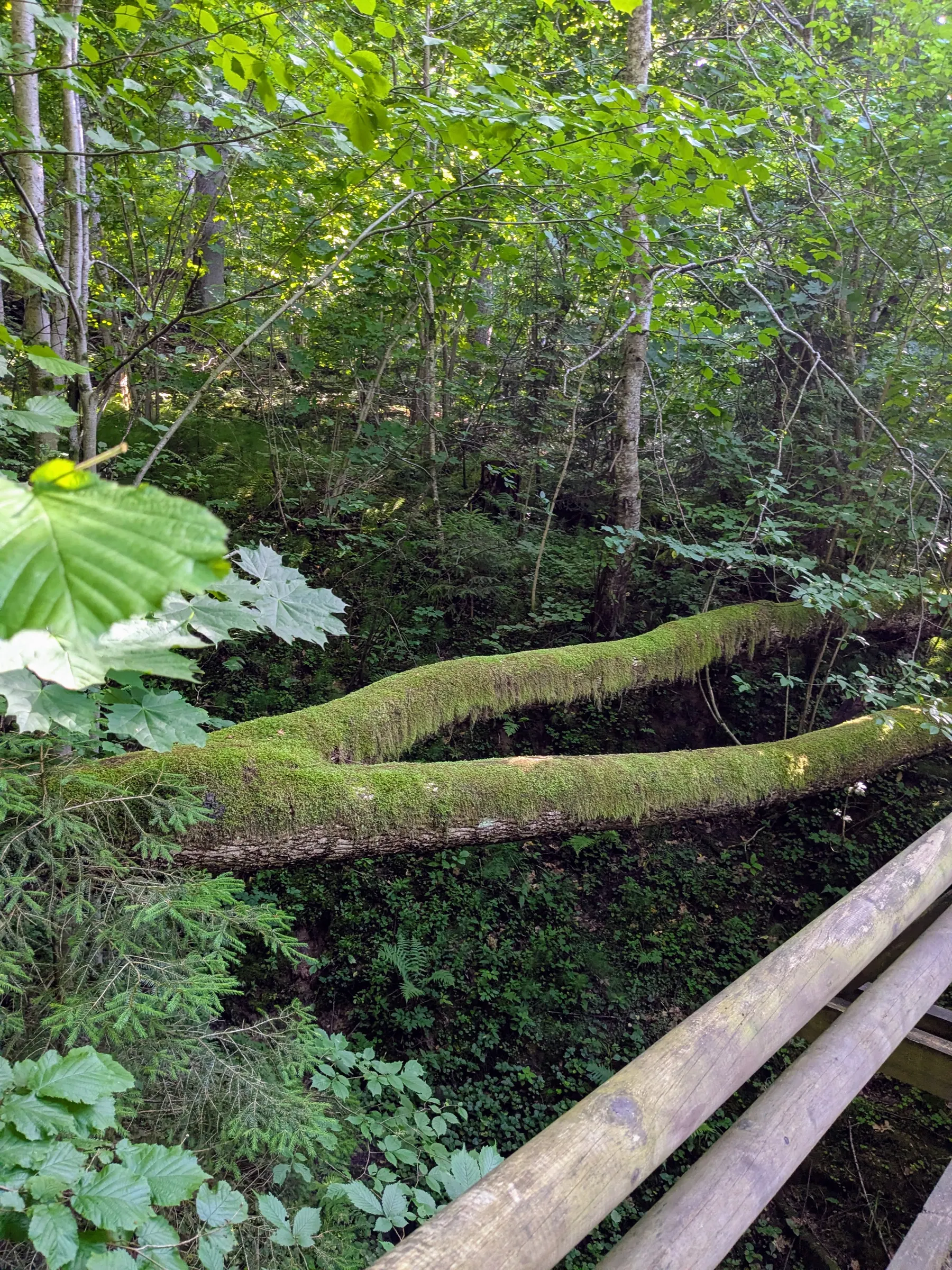
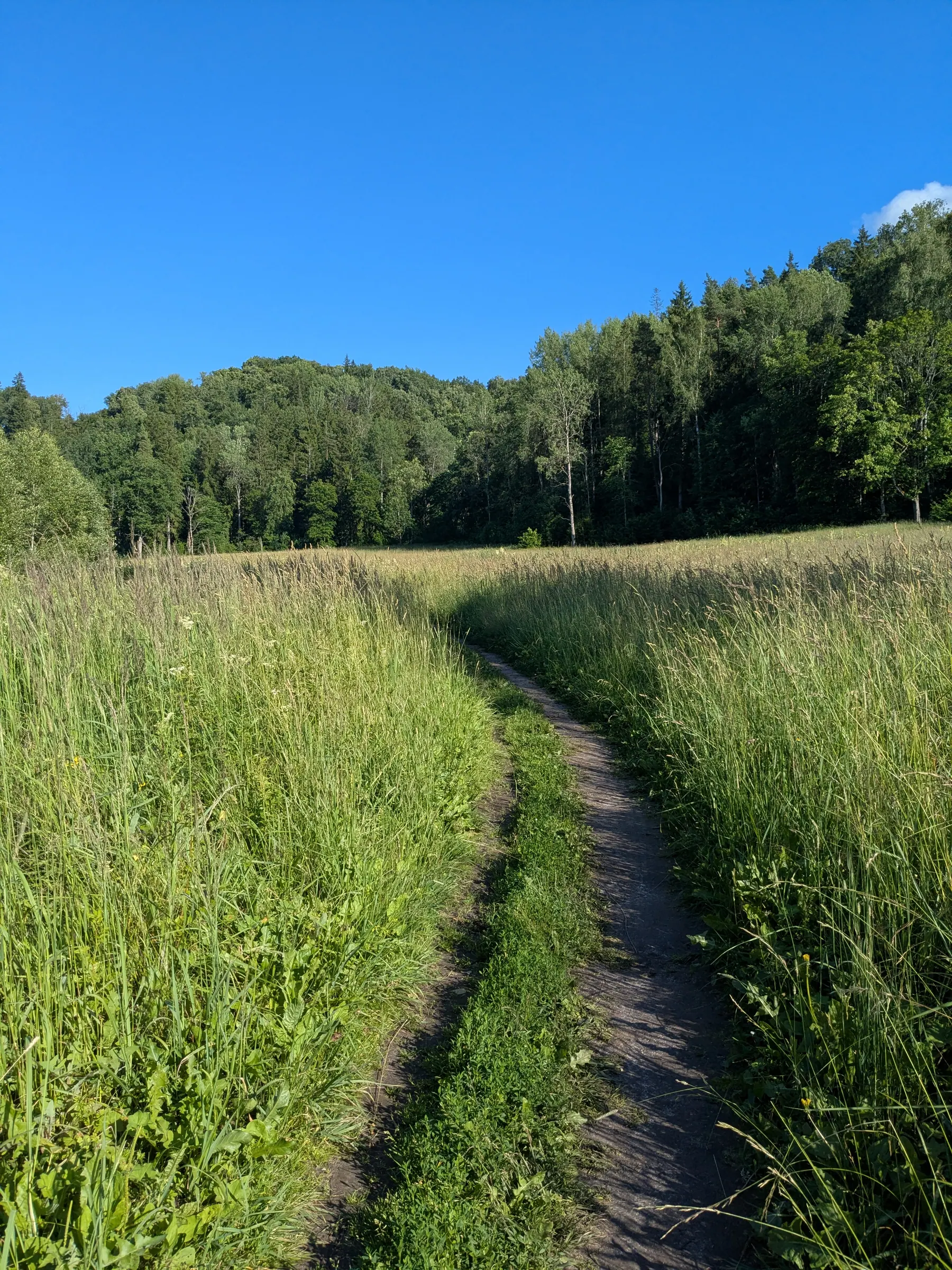
We stopped briefly at Sigulda’s little beach on the Gauja. And here I need to be very clear: do not swim in the Gauja. The currents are dangerous, and I wouldn’t recommend it even to strong swimmers. It is better to enjoy the river from the shore and admire the view without getting in.
Gutmanis Cave and the legend
Crossing the road bridge over the Gauja, we looked up and saw Sigulda’s cable car crossing the valley high above the river, and the Zērglis zipline returning - an activity where you fly across the valley on a cable at up to 60 km/h. I haven’t done the zipline (it’s not cheap: prices start around €69), but I have taken the cable car in autumn, and I’d recommend that to anyone. If you’re not afraid of heights, the zipline is supposed to be extraordinary.
Then a light rain started. We kept going, because in Latvia summer rain is normal and if you stop for it, you’ll never do anything.
Our next stop was Gūtmaņa ala - Gutmanis Cave. It’s the largest and highest cave in the Baltics, about 19 metres deep and 10 metres high, carved out of yellow-brown sandstone by the river and an underground spring over more than 10,000 years. It’s also the oldest tourist attraction in Latvia: people have been coming here and carving their names into the walls for centuries, and the oldest inscriptions date back to the 17th century. Wealthy visitors used to pay local craftsmen, waiting outside with ladders and templates, to carve their coats of arms properly.
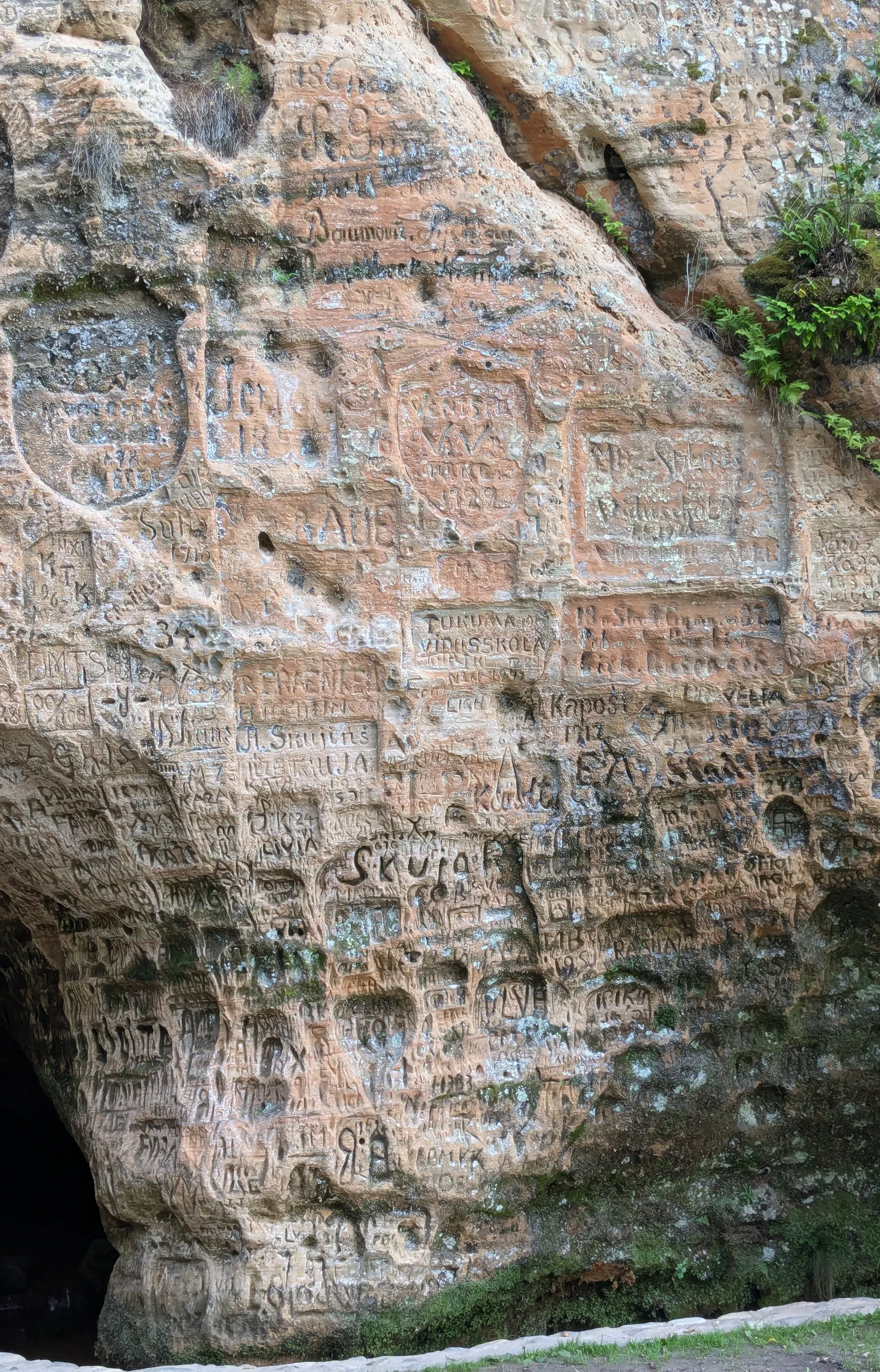
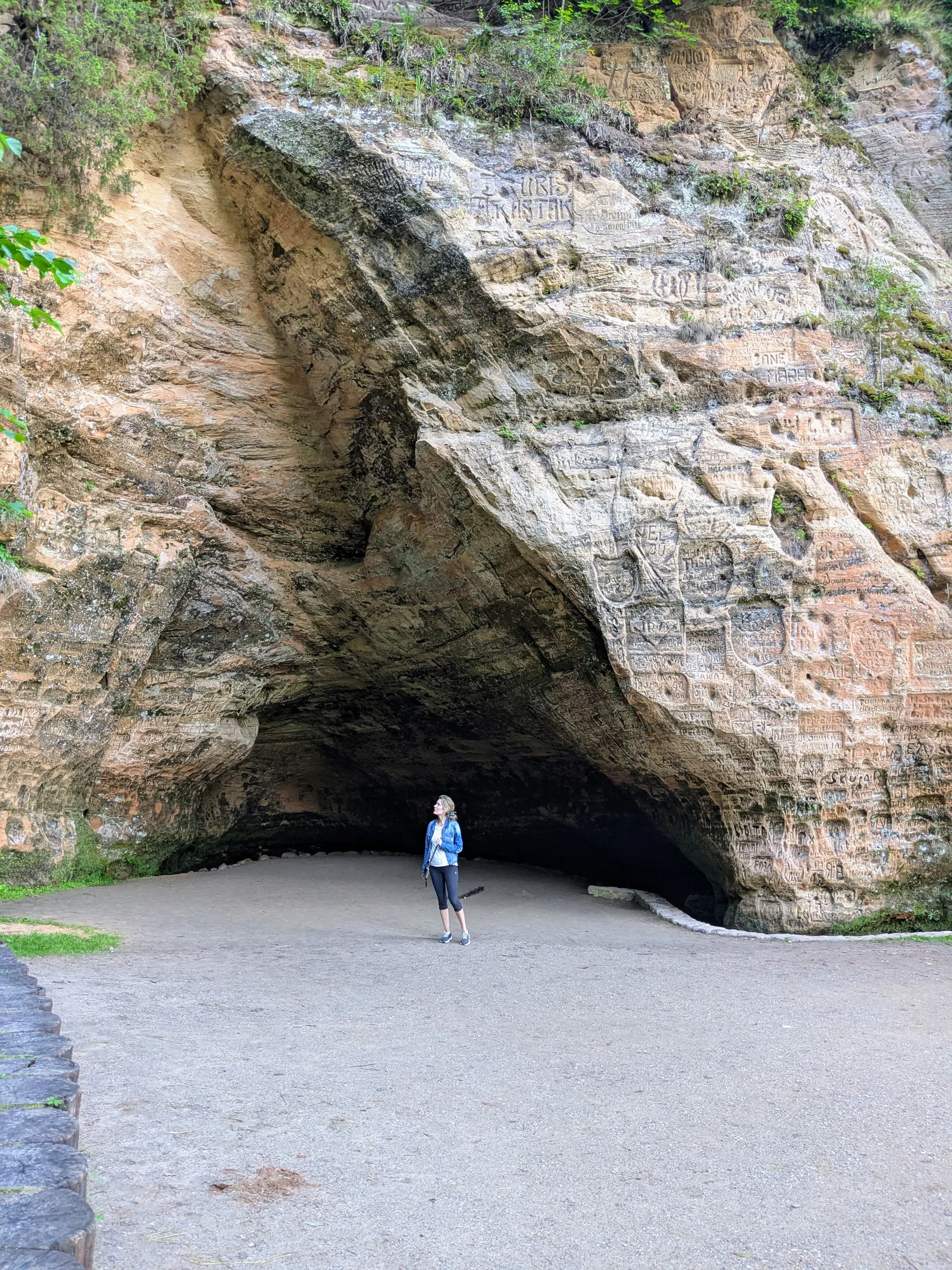
And this cave is where Latvia’s most famous legend was born: the Rose of Turaida. The story goes that in 1601, a baby girl was found among the dead after a battle at Turaida Castle and raised as Maija. She grew up beautiful - the “Rose of Turaida” - and fell in love with Victor, a gardener at Sigulda Castle on the other side of the river. They met in this cave. When a soldier tried to force her to marry him, she tricked him into killing her rather than betray Victor. It’s Latvia’s Romeo and Juliet, and it’s why Sigulda is sometimes called the City of Love.
Turaida Castle
From the cave, the road climbs steeply up towards Turaida, following the car road. On a bike, at the end of a long day, this is not the fun part.
We arrived at around 19:20. Turaida isn’t just a castle - it’s a whole museum reserve, with exhibition buildings, a wooden church, a sculpture garden and the memorial to the Rose of Turaida spread across the grounds. In summer the indoor exhibitions close at 18:00, but the grounds and the main tower stay open until 20:00. So we had missed the museum itself, and had 40 minutes for the rest - and the woman at the entrance was already waving at us to hurry. That meant we were the only visitors in the whole place, which was oddly wonderful. The grounds ticket was €5; if you also want to visit the museum, the ticket costs €9.
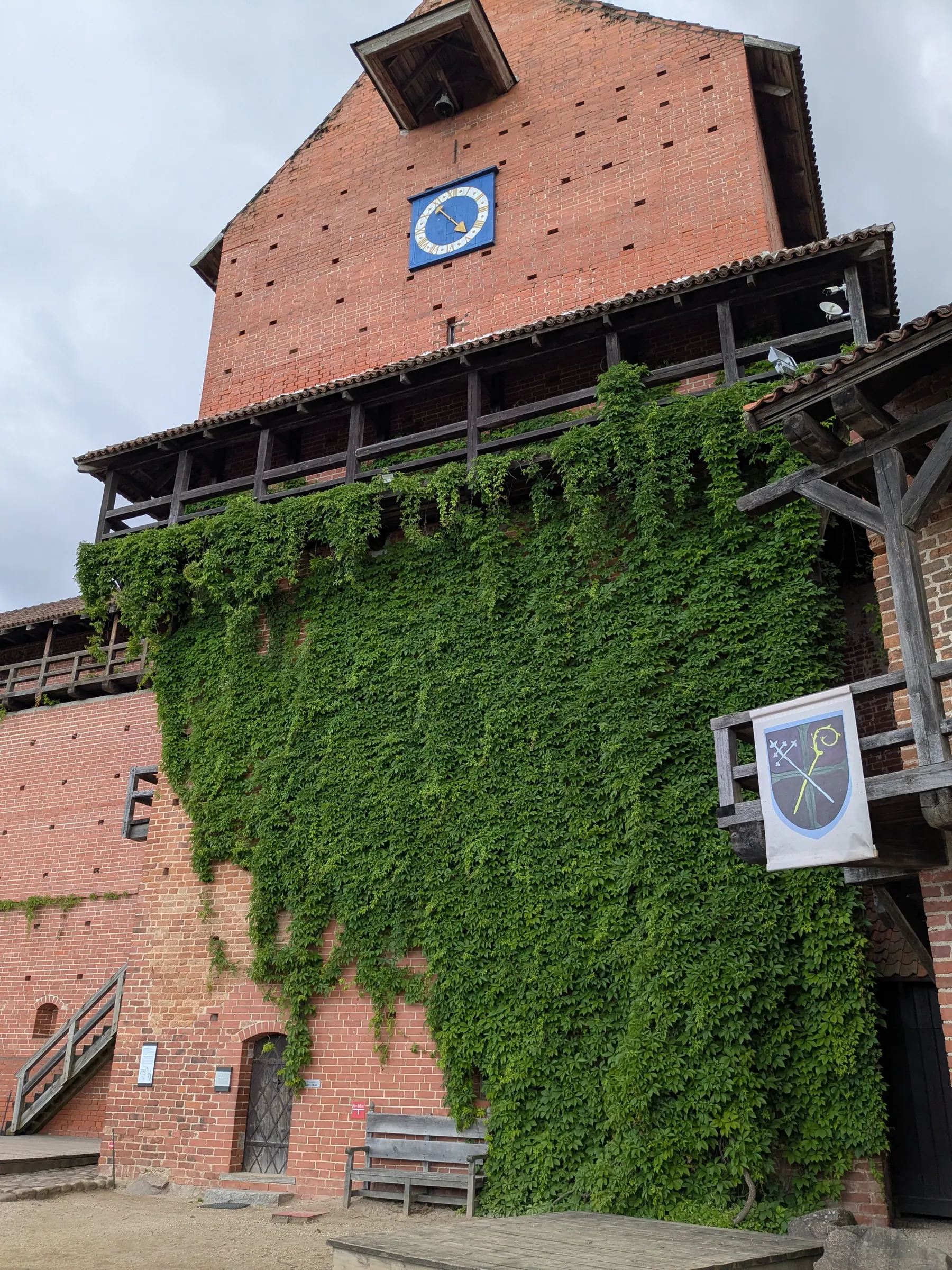
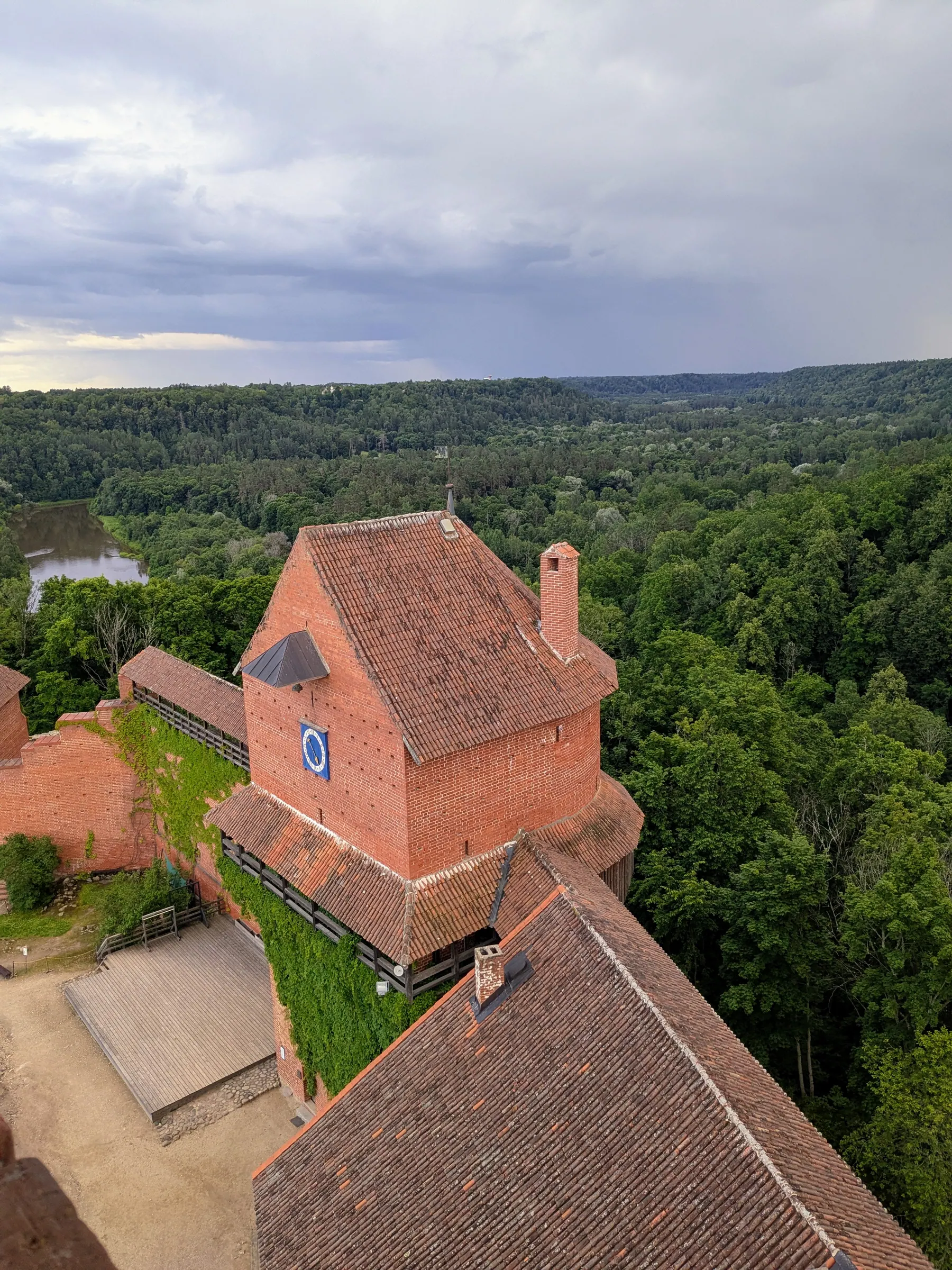
If you arrive in time for the indoor exhibitions, this is what you get: displays on the medieval castle and how it was excavated and rebuilt, the history of the Livi - the people who lived along the Gauja long before Latvia existed - archaeological finds from the site, and rooms on the old manor estate, including a working blacksmith’s forge. Outside, the wooden church from 1750 is one of the oldest in Latvia, and Dainu Hill is a garden of stone sculptures inspired by Latvian folk songs. It’s a big site, so give it a few hours if you can.
We climbed the tower floor by floor. There are small displays inside the tower on Turaida’s history, including the legend of the Rose of Turaida - not the full museum, but enough. From the top, the view over the Gauja Valley is exactly what you came for.
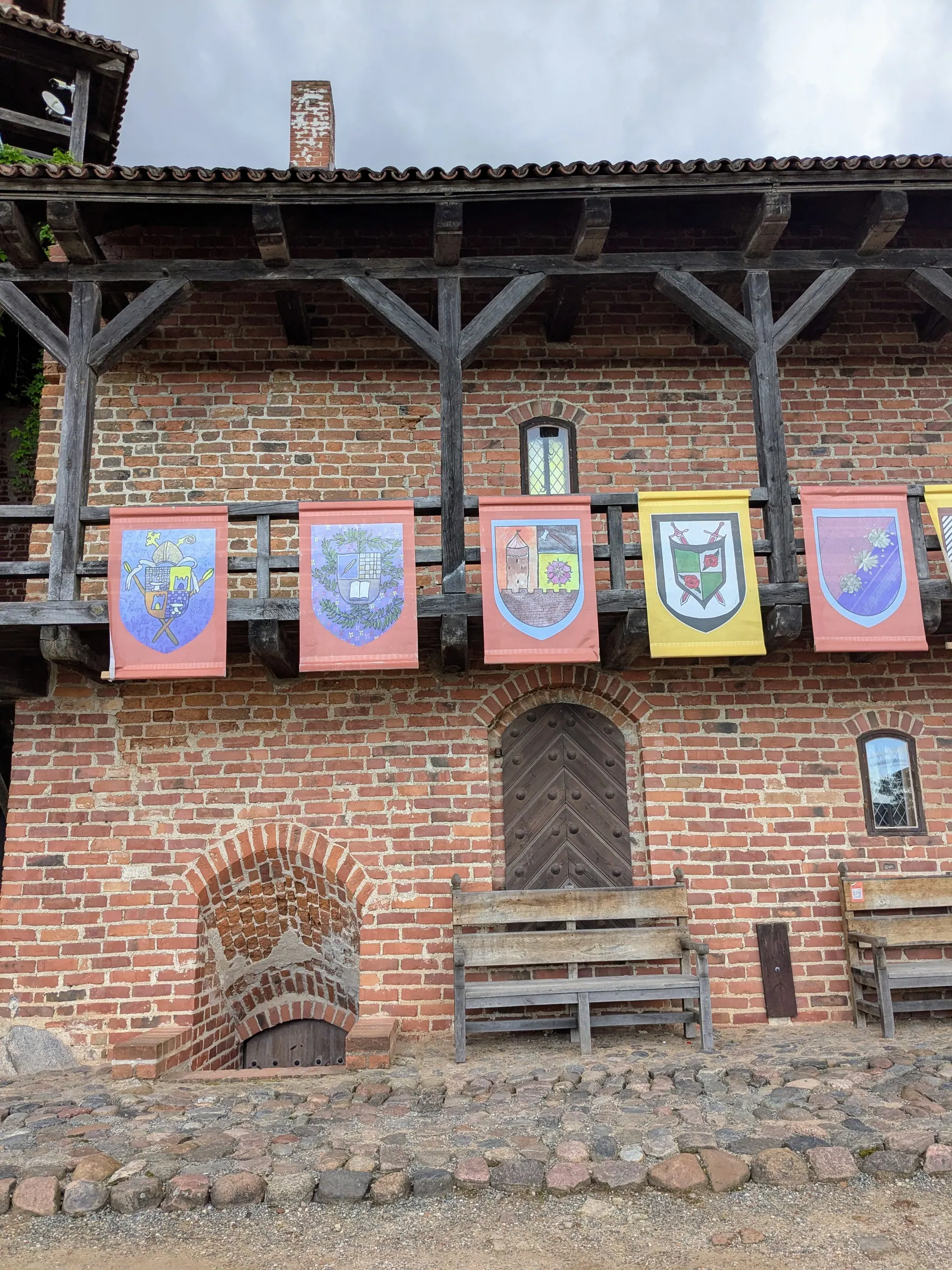
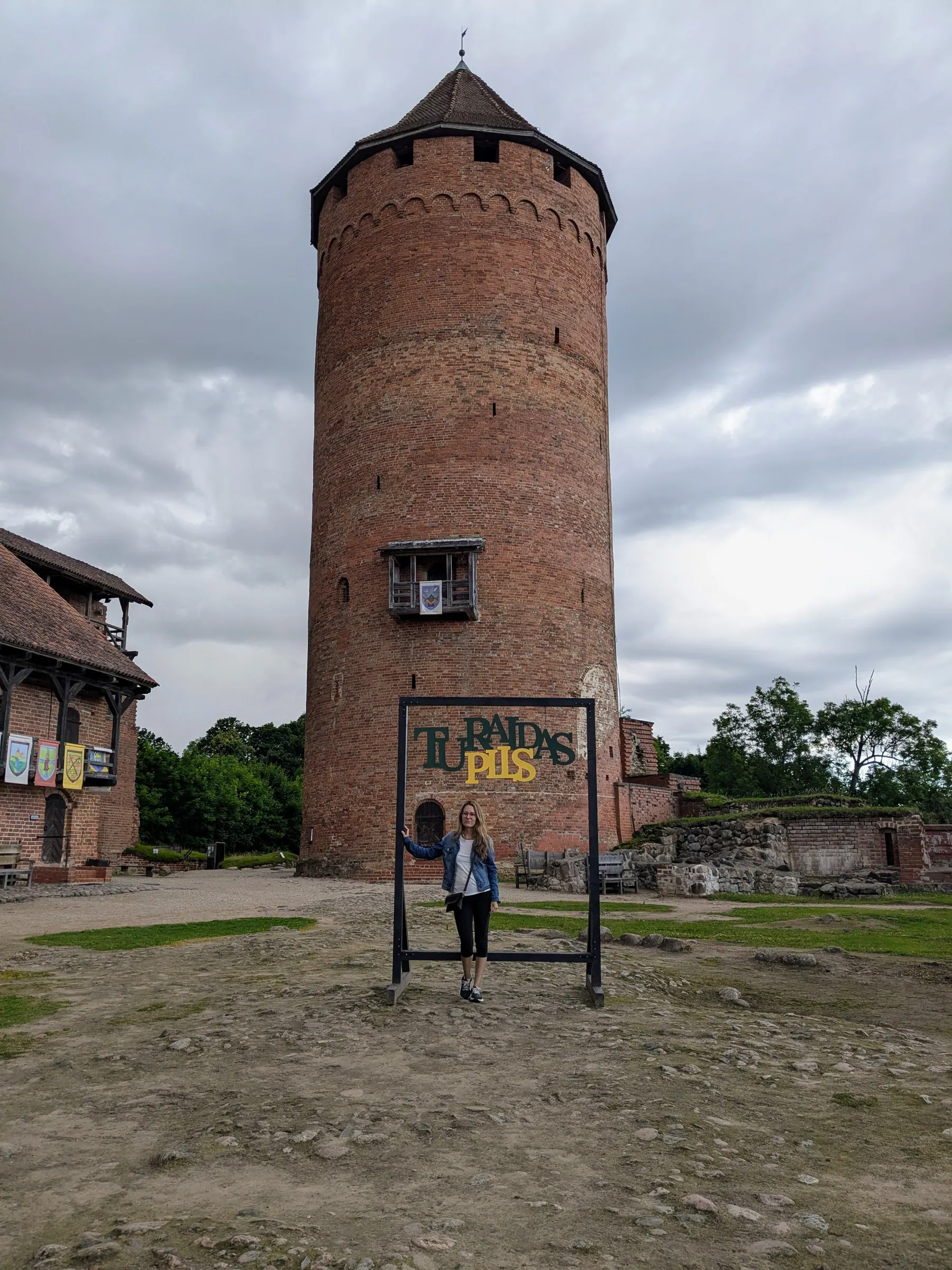
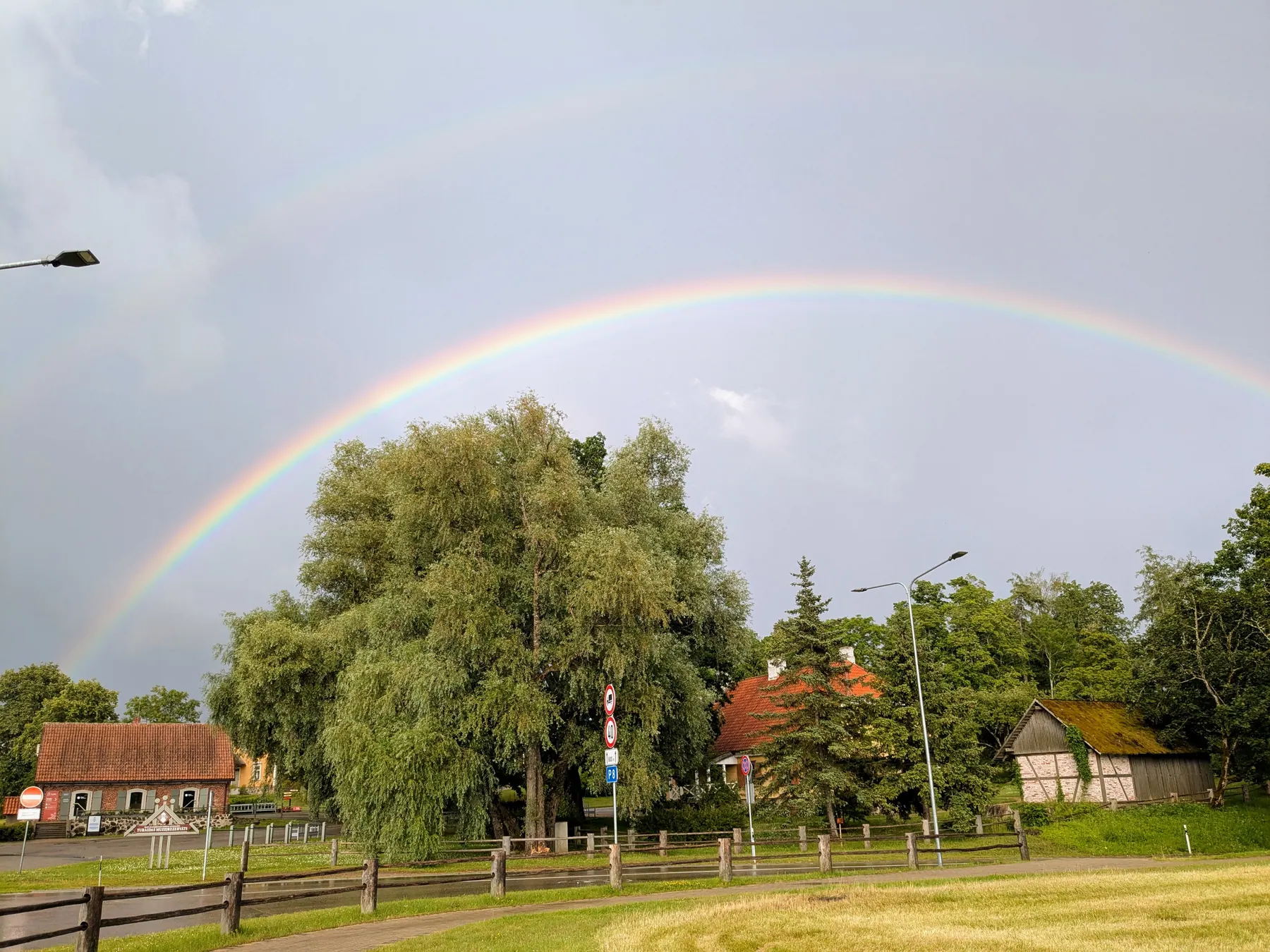
Then we stepped outside and it started pouring. We crossed the grounds quickly and got back to the bikes. Turaida’s red brick towers are the symbol of Sigulda, and even in the rain, it’s a must.
The hill that beat us
The return to the centre turned out to be the hardest part of the day.
Sigulda is split in two by the Gauja Valley: the town centre on one side, Turaida and Krimulda on the other, with a deep river valley in between. To get back to the centre from Turaida, we had three options: the winding car road, carrying the bikes up the stairs, or crossing the hill through the nature trails near Tarzāns.
The roads were slippery after the rain, so we chose the third. This was a mistake.
We spent the last stretch of the evening pushing our bikes up a steep, wet, slippery forest path, completely at our limit. Towards the end my boyfriend was pushing both bikes, mine and his. I am fairly sure we were the only people who have ever looked at that hill and thought, “yes, let’s take the bikes up there.” But it’s a funny story for us to remember.
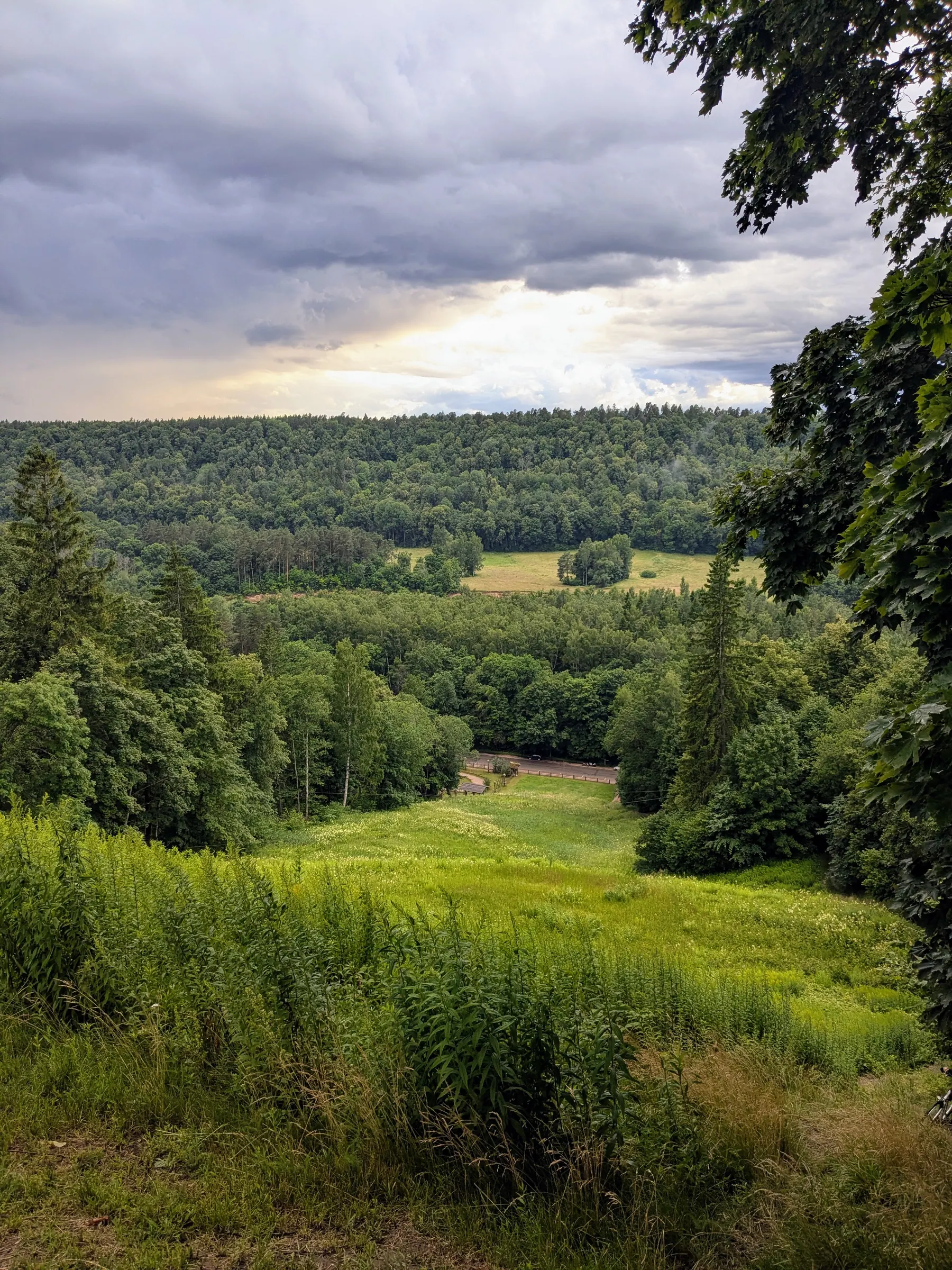
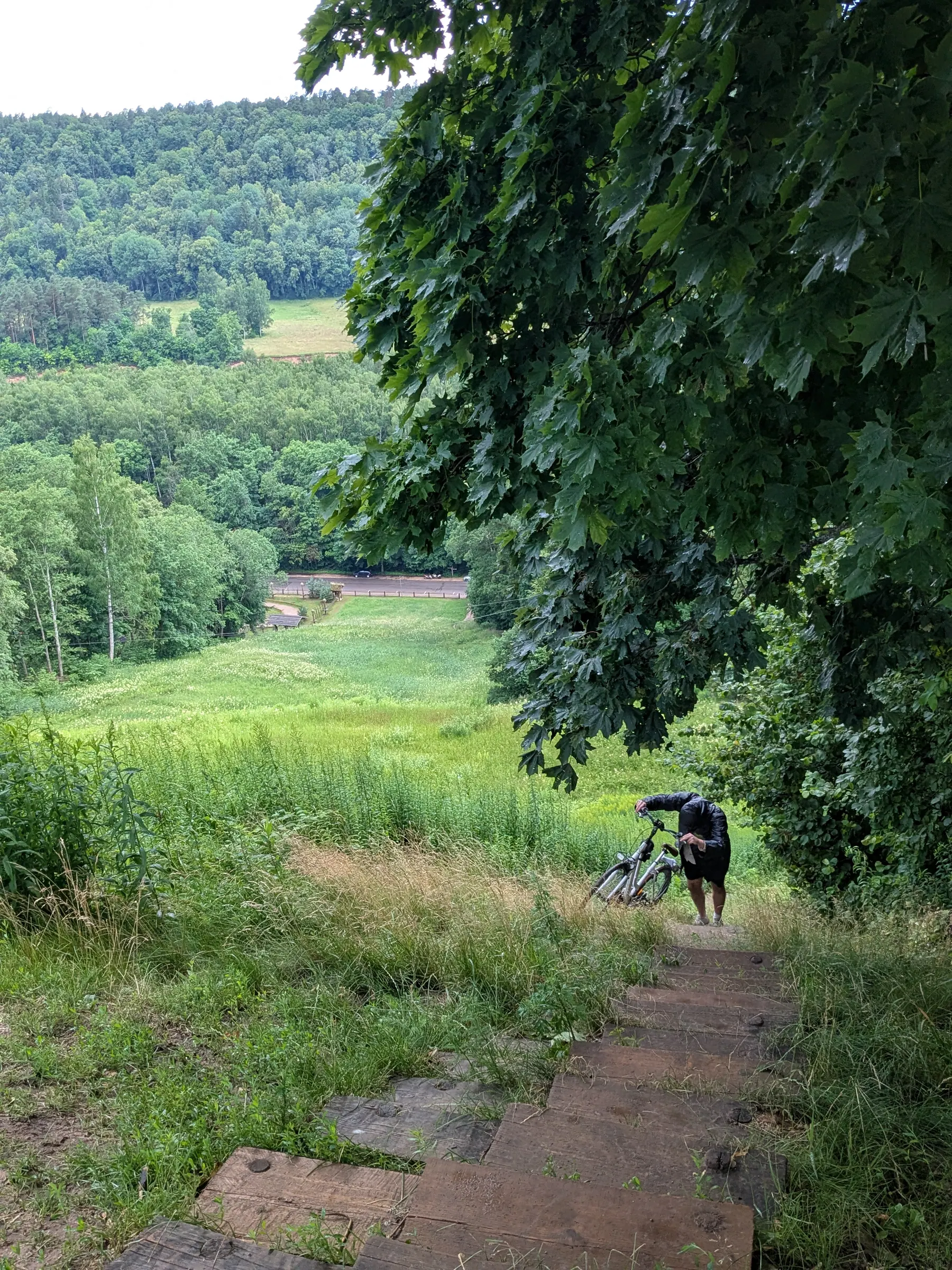
The practical tip: take the serpentine car road. Don’t do what we did.
And the real conclusion of the day is simple: Sigulda is made of hills. Getting from one part of town to the other is a serious physical challenge, and no map prepares you for it.
Other places worth seeing in Sigulda
Our route covered a lot, but not everything. Sigulda has more than one day’s worth, so here’s what else is worth your time.
Paradīzes kalns (Paradise Hill) is the one I’d add first. It looks out over the ancient Gauja Valley, which is up to 85 metres deep here, and Latvian painters have been coming to this spot for well over a century - it’s sometimes called Painters’ Hill for that reason. In autumn, when the whole valley turns colour, this is the view everyone comes for.
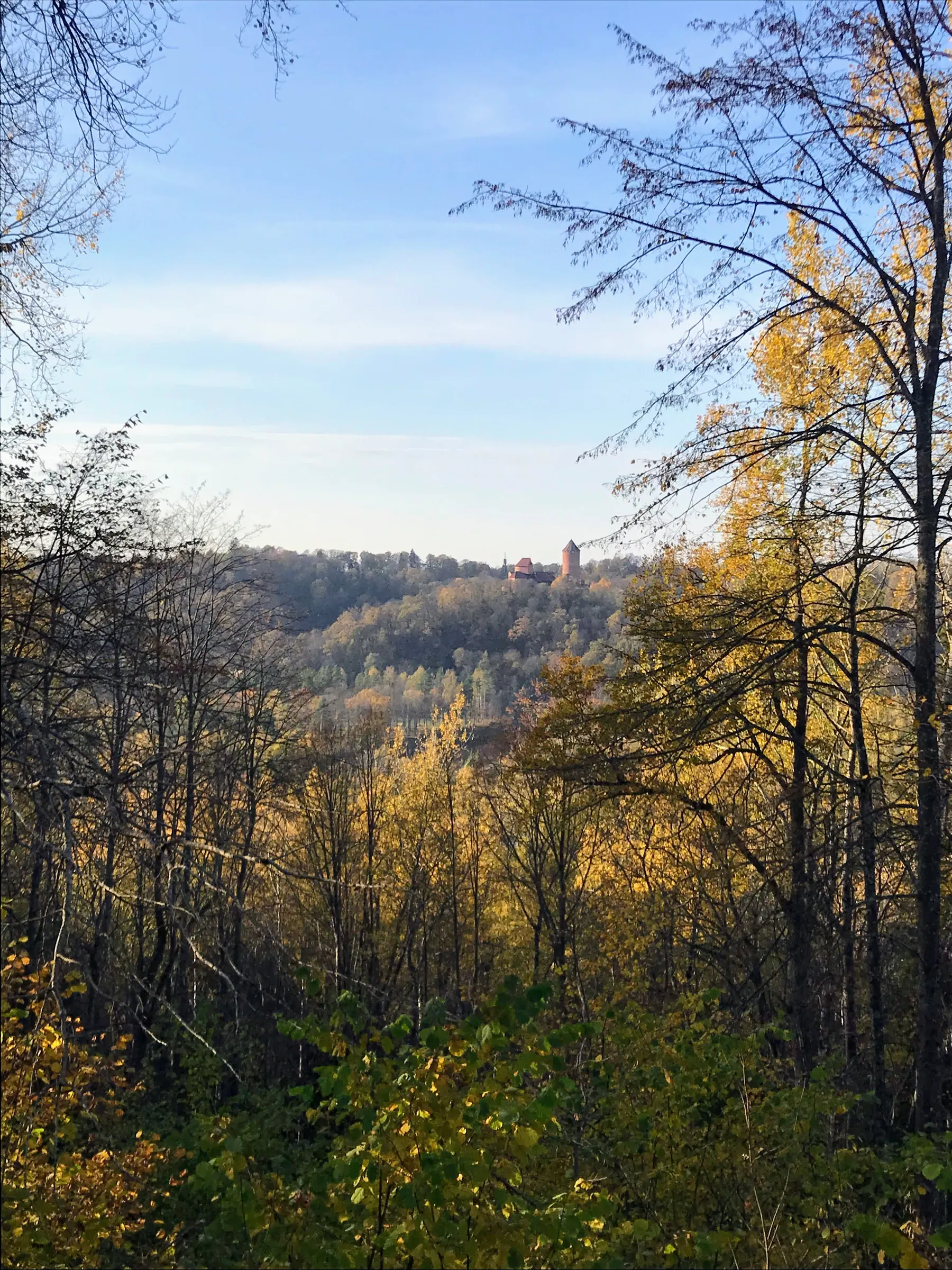
Sigulda Medieval Castle (the Livonian Order castle) sits in the town centre, and it’s the oldest of the three castles here - begun in 1207, before Turaida. It was badly damaged in the wars of the 16th century and is now a ruin, but it’s been fitted with walkways and stairs, and one tower is a lookout over the valley. In summer, the ruins are also used as an open-air concert stage.
Sigulda New Castle, right beside it, is the neo-Gothic manor house from 1878, built for the Kropotkin family. It houses the local council and isn’t open to visitors, but the grounds around it have gardens, cafés and craft workshops.
Krimulda Manor, across the valley, is the classical manor house on the Krimulda side - reachable directly by cable car. There are gardens, guided tours and even wine tasting, and the old Krimulda castle ruins are nearby. It also has an unusual history: it was once a tuberculosis sanatorium.
More caves. Gūtmaņa ala is the famous one, and we also saw Velnala (the Devil’s Cave) from the river path - but the valley’s sandstone is full of them, like Krauklu Cave and others tucked into the cliffs along the Gauja.
Gauja National Park. Everything above is inside it. It’s Latvia’s oldest and largest national park, and Sigulda is really just the doorway. If you have longer, there’s canoeing on the Gauja, more trails, and other towns like Līgatne and Cēsis further up the valley.
Know before you go
Getting there: Sigulda is about 50 km from Riga. Trains run regularly and are cheap - around €2.80 one way, taking a bit over an hour - and you can bring a bike.
A car is the easiest option. The sights are spread across the valley and across both sides of the river, so driving saves a lot of time.
Start at the tourist information centre, by the train station. Get a map and ask which route covers the most. It’s five minutes well spent.
Decide how you’ll get around. You can see Sigulda by car, by bike or on foot, and there are different routes for each. Walking is possible, but it adds up to a lot of kilometres, and reaching the places on the other side of the river - Turaida and Krimulda - will eat most of your day on foot. If you want to see a lot in one day, take the car, and use the cable car to cross the valley.
Keep the route on your phone. The trail signs aren’t always clear, and we overshot ours.
A bike works - but know what you’re getting. The valley paths have wooden walkways where you’ll push, and the hills between the two sides of town are hard. If you don’t want the effort, the cable car and the bus exist.
Turaida has two closing times. In summer the indoor museum exhibitions close at 18:00, while the grounds and the main tower stay open until 20:00. We arrived at 19:20 and missed the museum - go earlier and give it a few hours, because the reserve is big.
Don’t swim in the Gauja. The currents are dangerous.
Summer rain is normal. Bring a jacket and keep going.
Autumn is the famous season. The valley in colour is what Sigulda is known for. Summer is greener and quieter.
Worth it?
Sigulda is one of the easiest, best days you can have in Latvia, and it shows you what this country actually is: forest, river, sandstone cliffs, castles, and nature woven into ordinary life. You can do it as a day trip from Riga without any planning at all.
Take a bike if you want the adventure. Take the cable car and your legs if you want the views without the suffering. Just don’t try to push a bicycle up a wet hill at the end of a long day - I’ve done that for you.
Planning a longer trip across the country? See our Best of Latvia Beyond Riga guide to four regional routes, covering the Gauja Valley, Ķemeri and Lake Engure, Kurzeme, and the Rundāle and Bauska area.
FAQs
Can you visit Sigulda as a day trip from Riga?
Yes. The train takes a little over an hour and one full day is enough for several highlights, although a car makes it much easier to cross the valley.
Is Sigulda easy to explore by bike?
A bike is possible and fun, but Sigulda is hilly. Some forest sections also have wooden walkways and small bridges where you need to get off and push.
What should you not miss in Sigulda?
The Gauja Valley viewpoints, Tarzāns, Gutmanis Cave and Turaida Castle are the strongest combination for a first visit.
Read next
More posts for this trip mood
Europe Vidzeme, Kurzeme & Zemgale, Latvia
Best Places to Visit in Latvia Beyond Riga: Road Trip Routes & Day Trips
Discover the best places to visit in Latvia beyond Riga with flexible road trip routes and day trips: Gauja National Park, Cēsis, Ķemeri Bog, Kuldīga, and the Baltic coast.
 Europe
 Vidzeme, Latvia
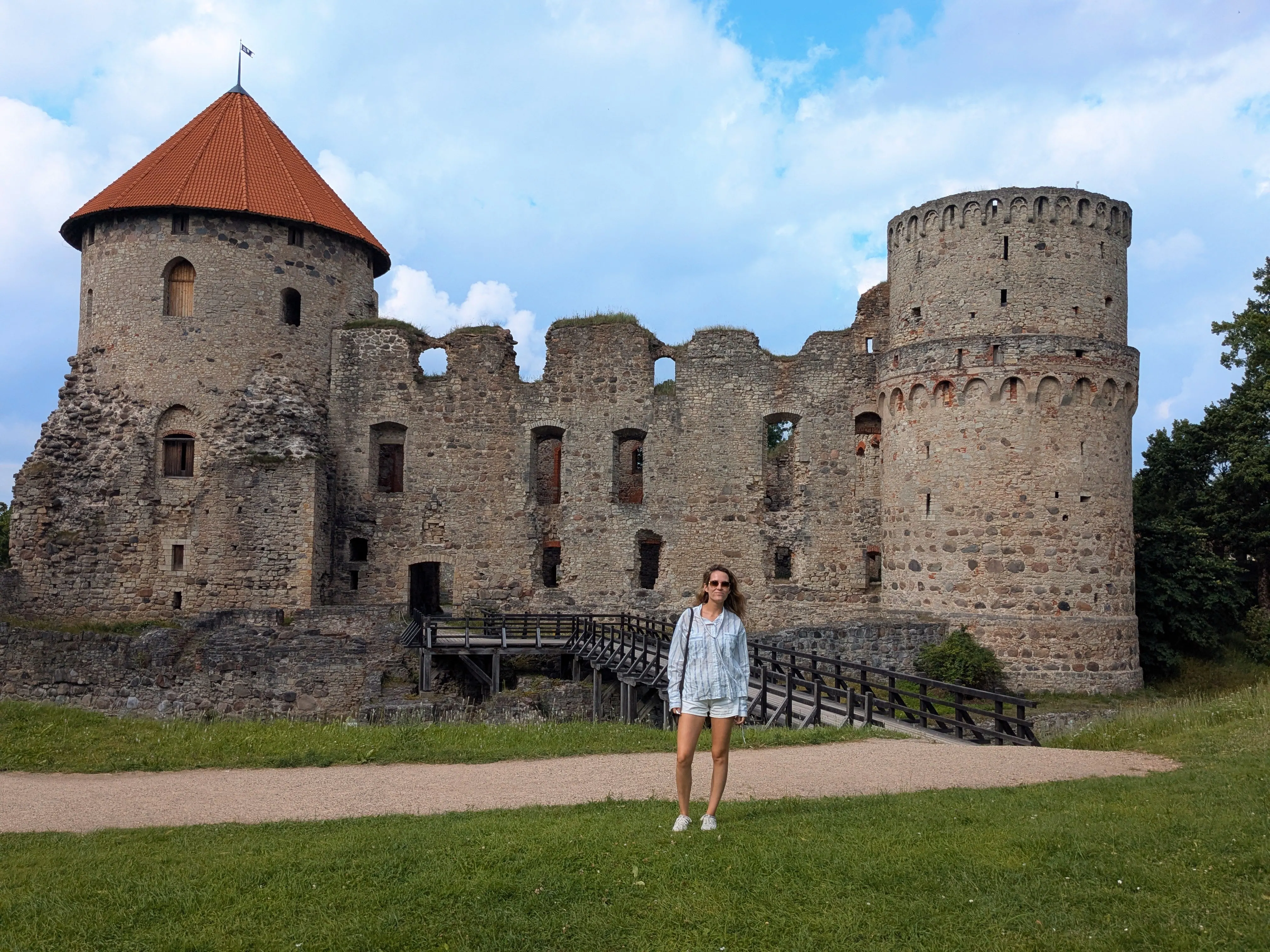
Cēsis: The Castle You Explore by Candle Lantern, an Hour from Riga
A medieval Latvian town where a real flame in a candle lantern turns a castle visit into something you remember.
A practical guide to Cēsis: its candle-lit medieval castle, old town, parks and an easy day trip from Riga.
 Europe
 Kurzeme, Latvia
Liepāja: Blown-Up Forts, a Prison Hotel and a City Marked in Musical Notes
A Baltic city where blown-up forts, a prison hotel, music and a wide beach make for an unexpectedly versatile coastal break.
A Liepāja city guide with the Northern Forts, Karosta Prison, Art Nouveau architecture, street art, music, beaches and practical tips.