

Jūrkalne and Pāvilosta · Kurzeme · Latvia
Jūrkalne and Pāvilosta: Latvia's Wildest Stretch of Coast
Between Jūrkalne's high sandy banks and the little harbour town of Pāvilosta lies one of the quietest, wildest stretches of Latvia's Baltic coast.
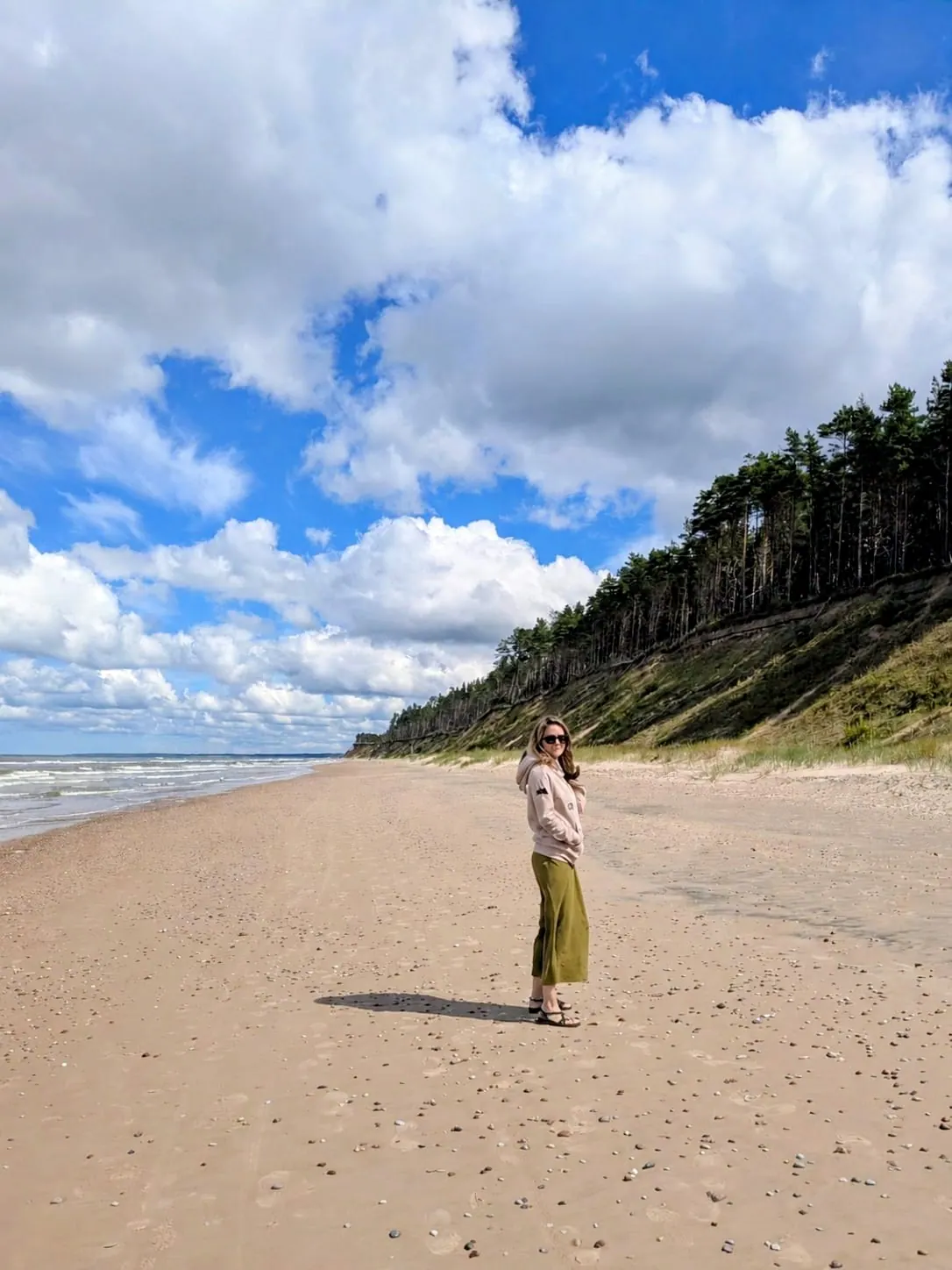
You notice the wind first. Then the sea, immense and open in front of you, and then the drop - twenty metres of steep sandy bank falling away to the beach below, with green growing right up to the edge of it. It is the kind of landscape that makes you stop and take it all in.
This is Jūrkalne, on Latvia’s west coast, and it is the kind of seaside that almost doesn’t exist in Europe anymore: raw, unbuilt, and empty enough that you can walk for a long time without meeting anyone. I’ve been a few times now, and the contrast with the famous Jūrmala is clear: while Jūrmala has a long stretch of beachfront hotels and amenities, Jūrkalne remains simple, natural and largely undeveloped. It’s a place where you go to restart your energy.
Jūrkalne and Pāvilosta are two distinct places, but they sit along the same stretch of coast: a high sandy shoreline and a handful of houses at one end, the small harbour town of Pāvilosta at the other, and about twenty kilometres of beach in between. You can visit them as separate stops or walk from one to the other.
Jūrkalne and Pāvilosta are easy to combine with Kuldīga and make a natural next stop after visiting the town. Read about my visit to the beautiful UNESCO town of Kuldīga.
Why this coast is so calm
This is the far west of Latvia, a long drive from Riga, in a thinly populated part of the country. The two cities on this coast, Liepāja and Ventspils, sit well to the south and north, and the long stretch of shore between them was never developed the way most European seasides were. The shoreline itself is also moving and unstable, which makes building near its steep edge a bad idea in any case.
During the Soviet occupation, this coast formed part of the USSR’s tightly guarded western border. The entire Kurzeme shoreline was a restricted zone, with border posts and observation towers along the beach; civilians could approach the sea only in designated places and during daylight hours. That enforced isolation also helps explain why so much of the coast escaped development, and its calm today still carries an echo of that history.
Jūrkalne Beach: The High Coast, Sand Bluffs and Two Sunsets
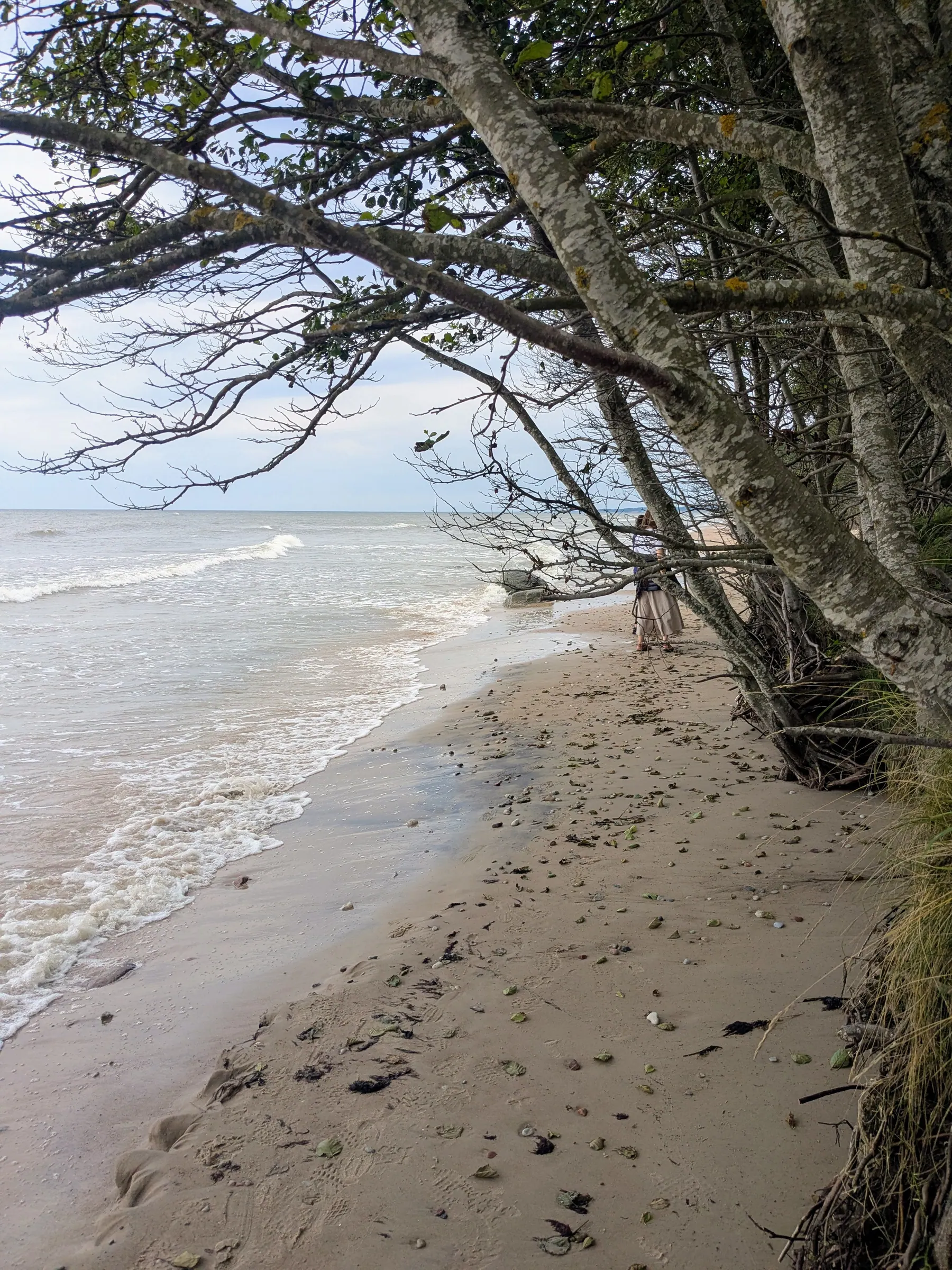
The Jūrkalne bluffs are the highest on Latvia’s coast, reaching up to twenty metres. They are not rock but sand and earth, held together by the trees and grass on top, which is part of what makes them look so green right to the edge. Below them, Jūrkalne Beach is wide and quiet, with light, soft, thin sand that is a pleasure to walk on.
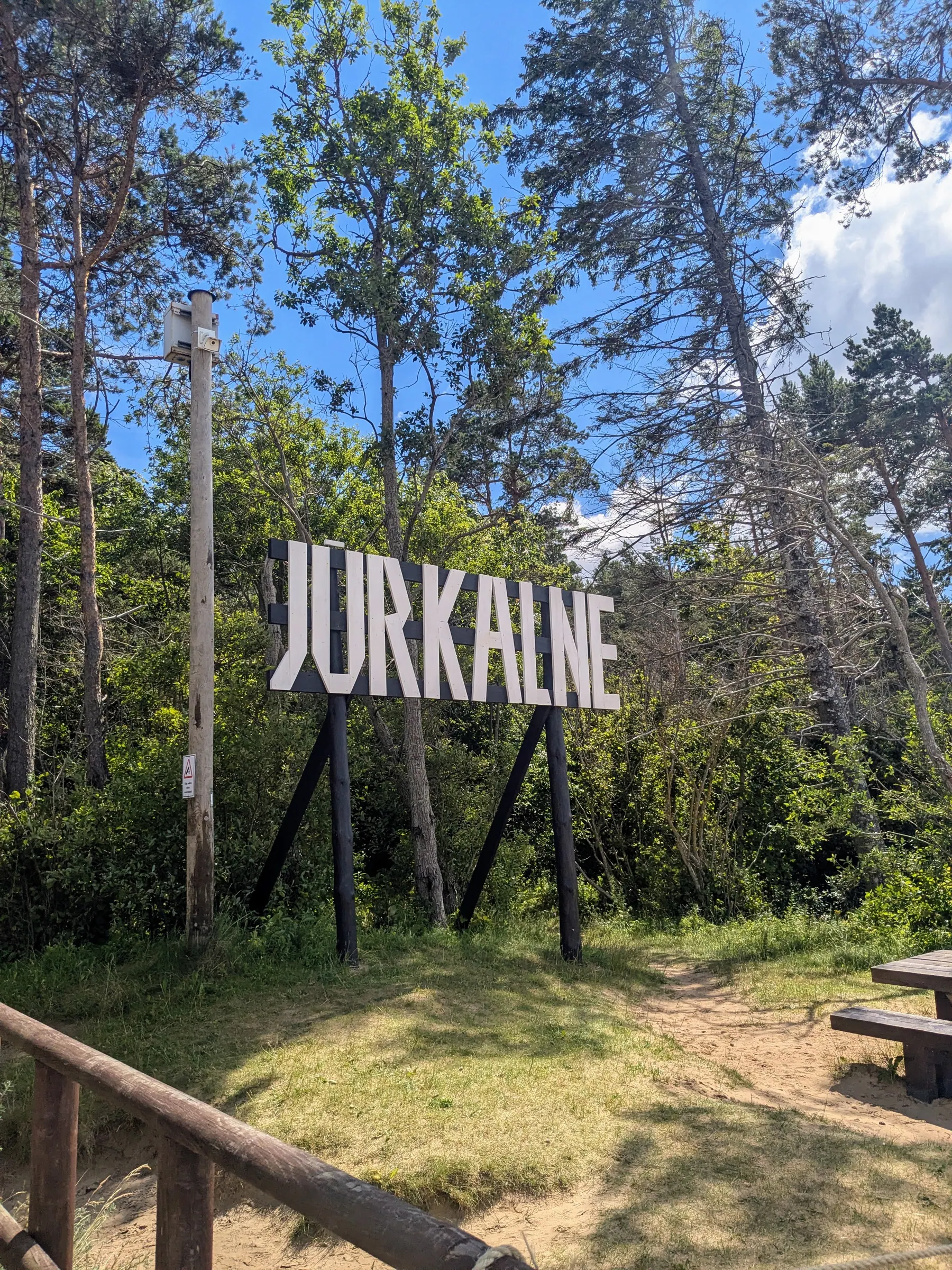
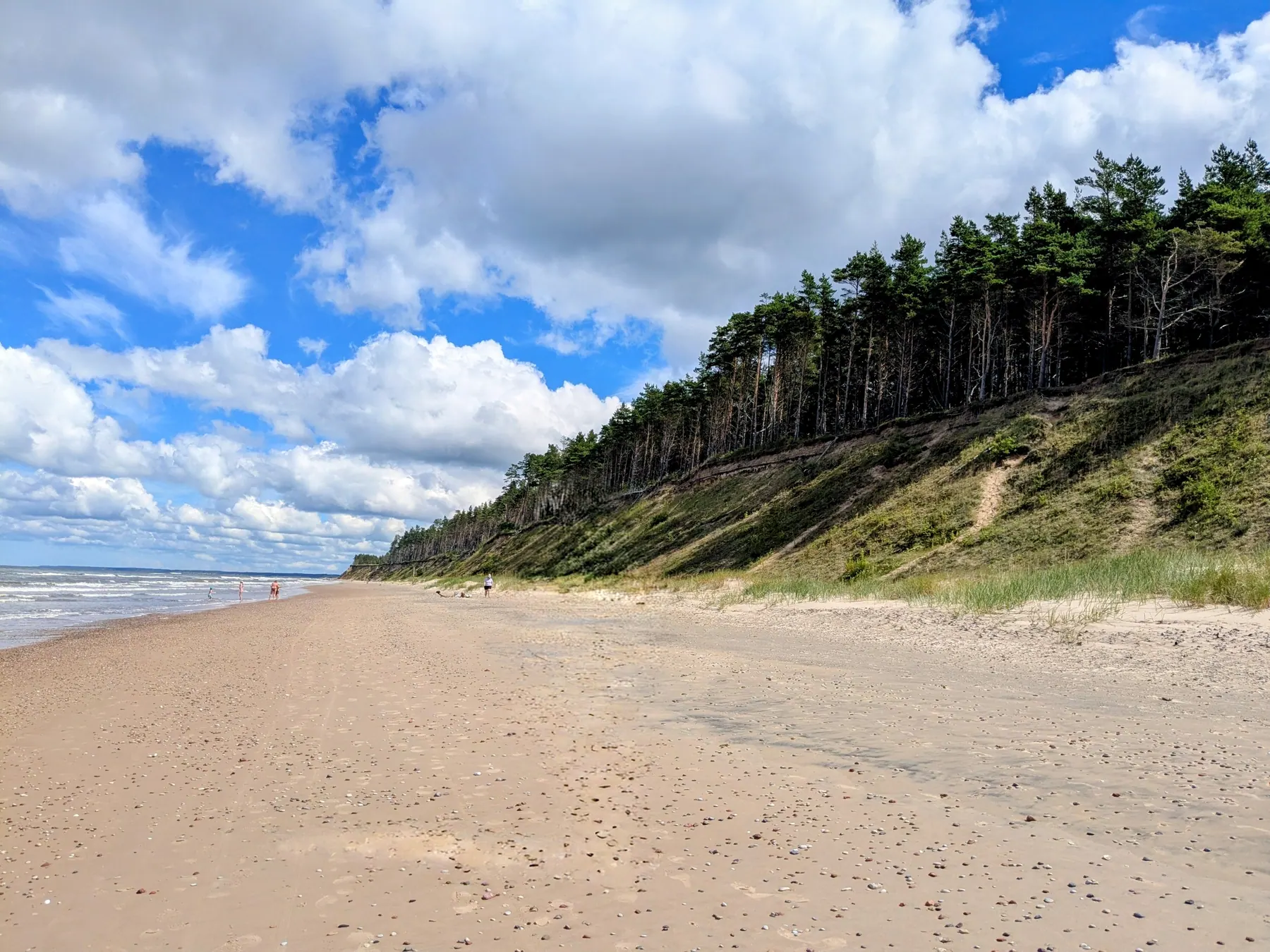
There’s nothing built on it. No parasols, no vendors, no beach bars - just sand, sea and the steep coastal wall behind you.
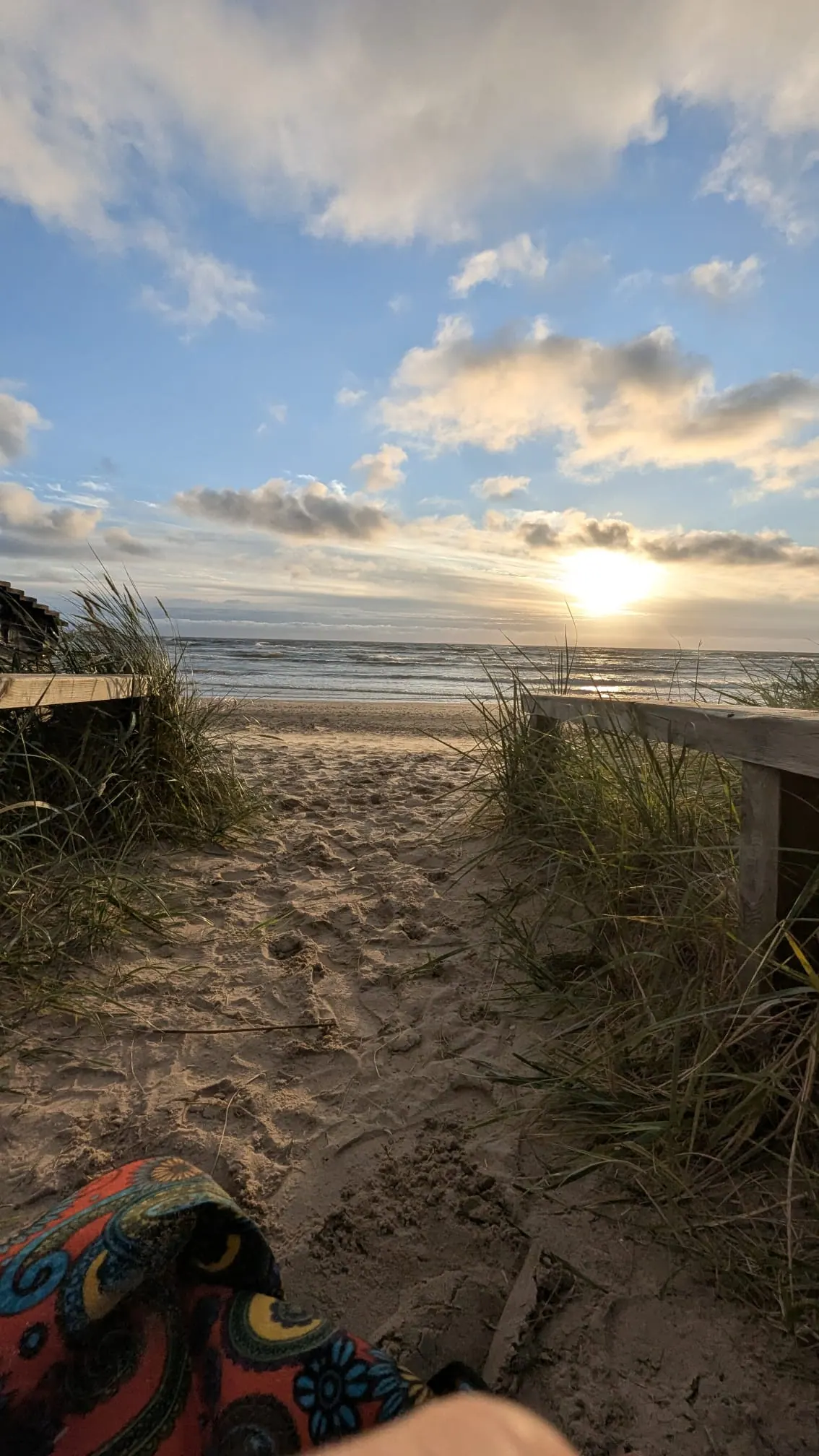
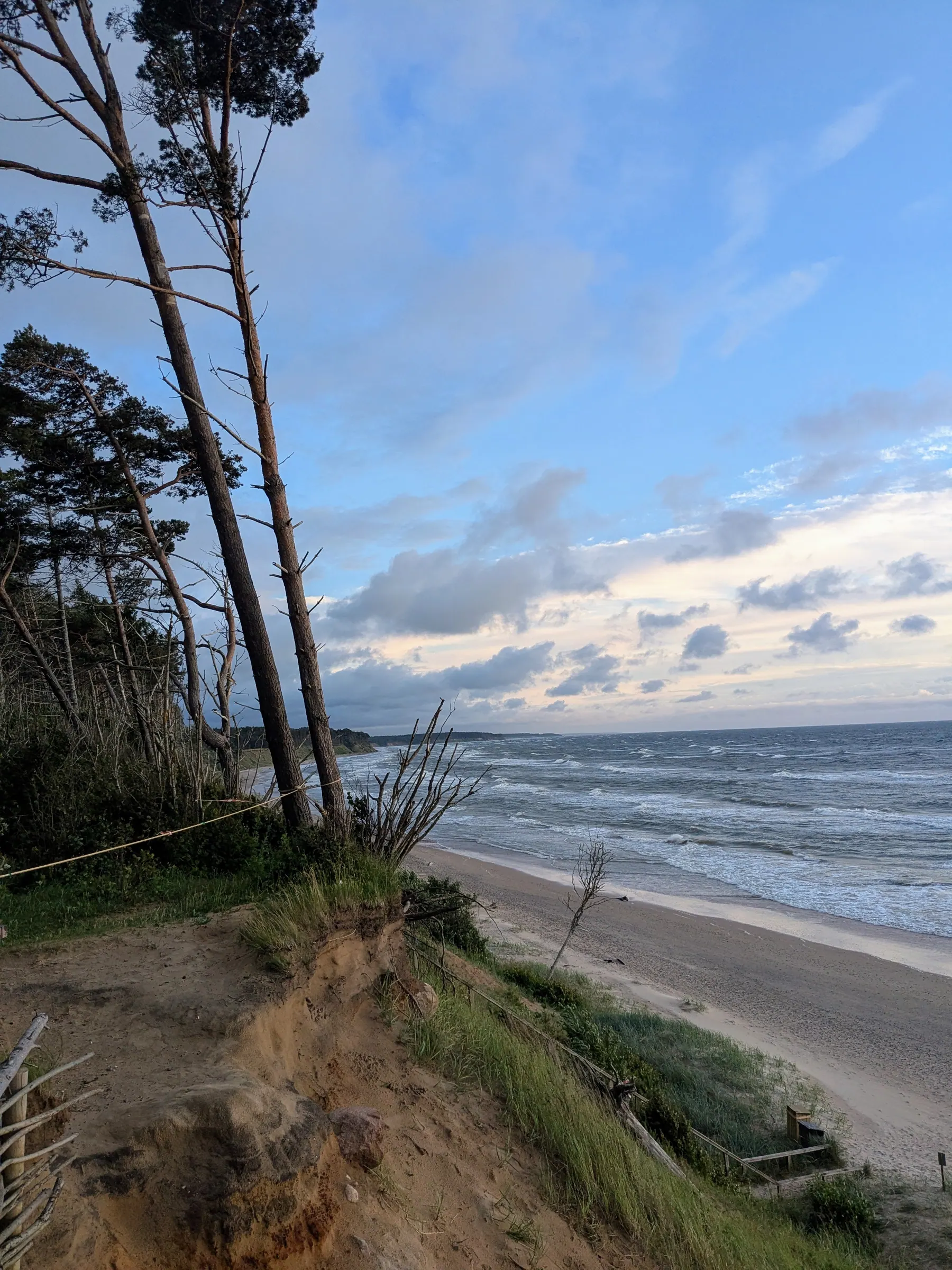
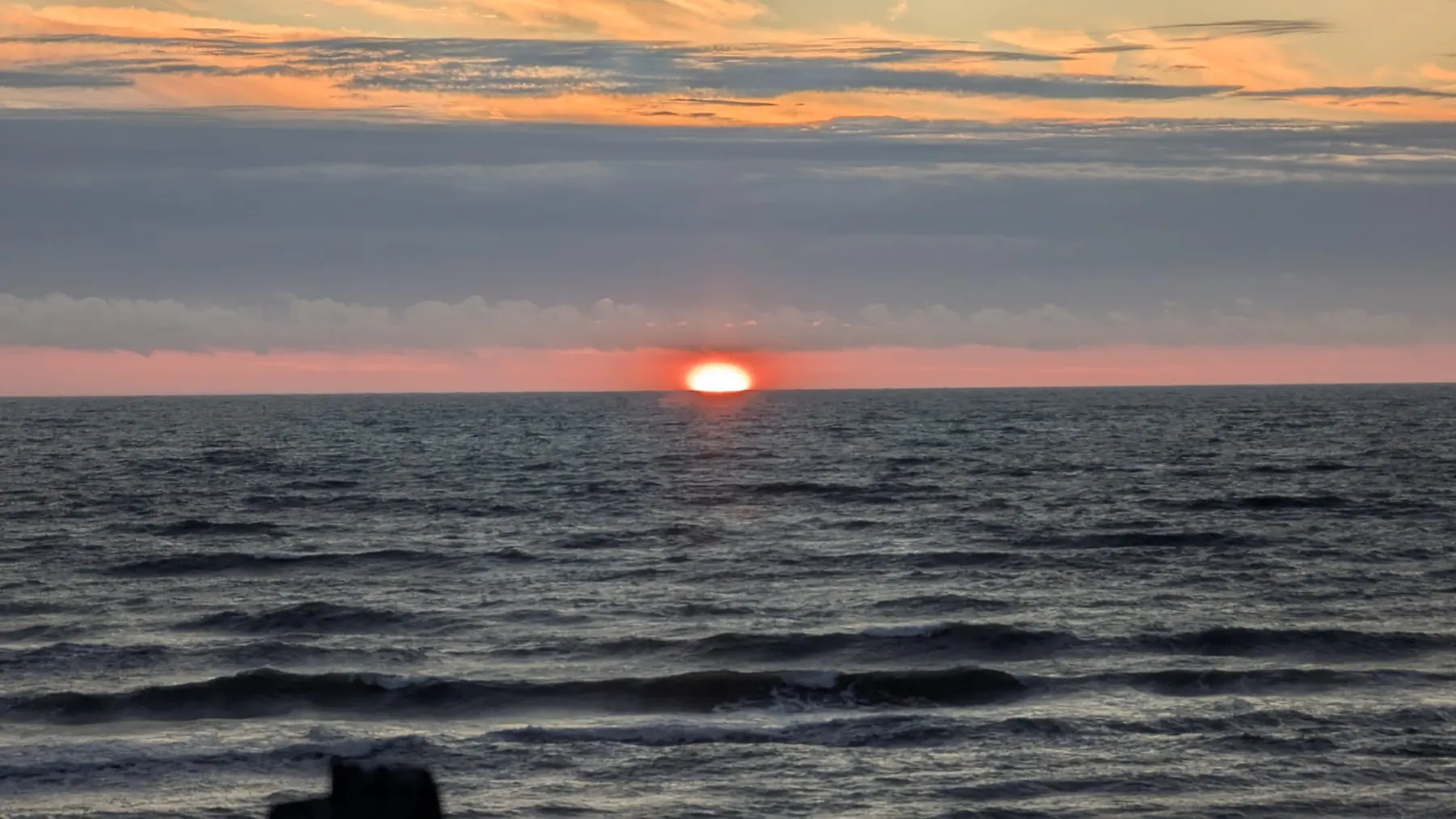
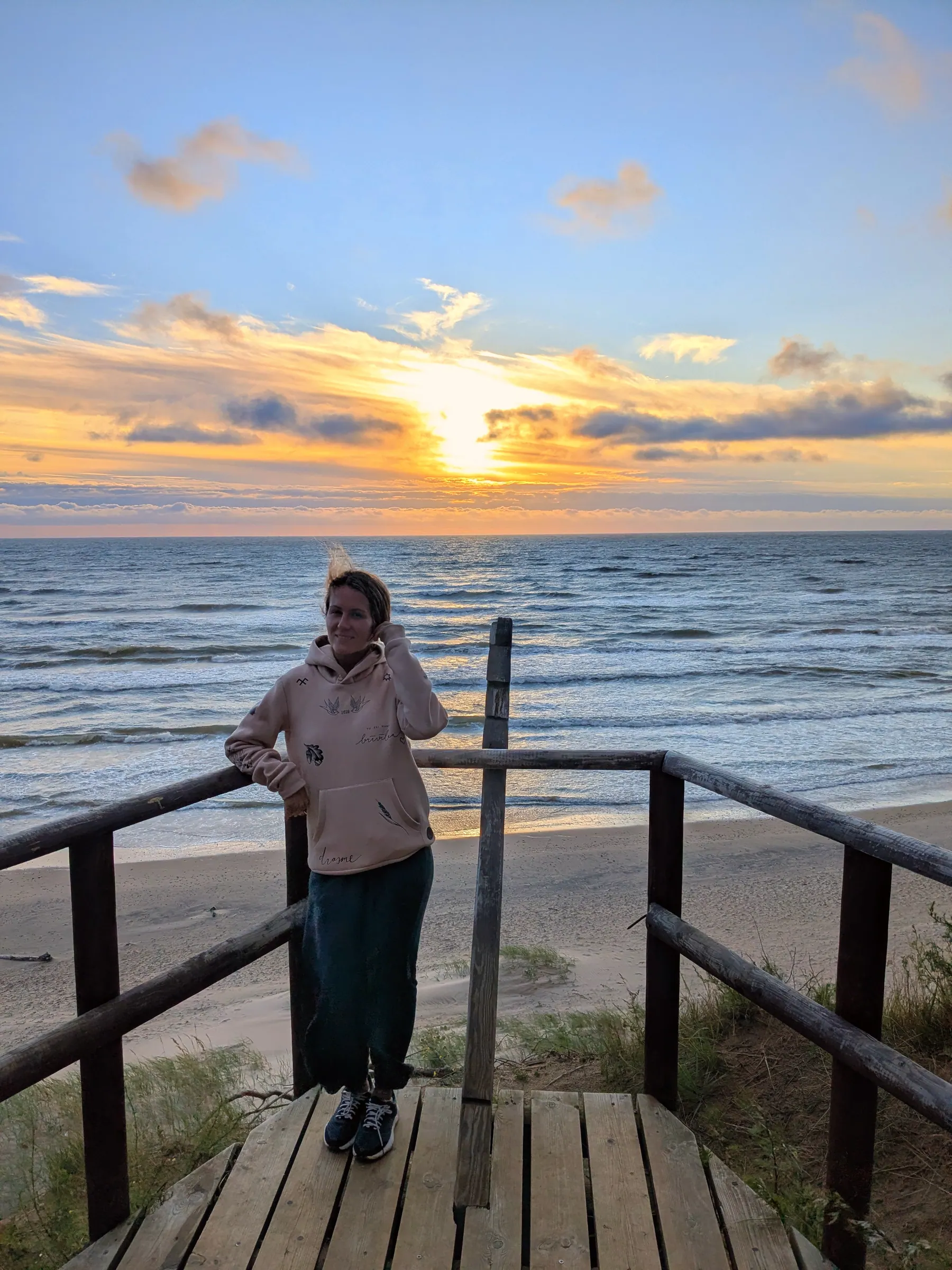
They say that in Jūrkalne you can watch the sunset twice: once from the beach, and then again from the top of the high bank a few moments later, as the sun sets a second time from higher up. I saw a sunset here on a day when it wasn’t guaranteed, and it was worth it. There was a strong, cold northern wind in the middle of summer - this is not a coast that lets you forget where you are - but the view has something wonderful about it.
The village church
Jūrkalne is barely a village, but it has a church, and it’s worth two minutes of your time - St. Joseph’s Roman Catholic Church, built in 1861, with the tower added a few years later.
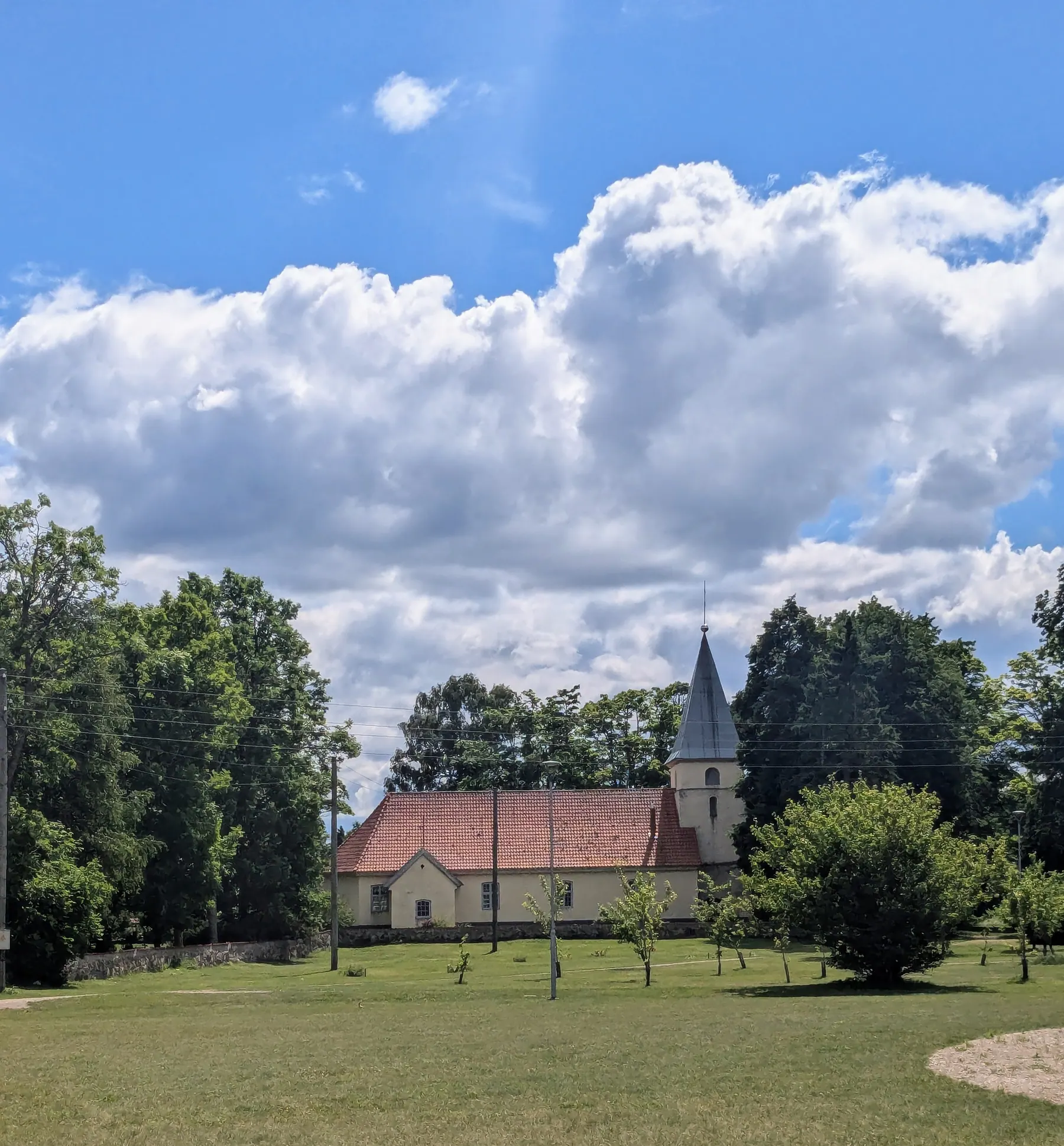
What makes it unusual is that it’s Catholic at all. This corner of otherwise Lutheran western Latvia belongs to the Suiti, a small Catholic community whose cultural space is on the UNESCO heritage list, and Jūrkalne’s is one of their three churches.
There’s also a story that the very first church here was washed into the sea by the coastal erosion, and that today’s church stands on a different site. Standing at the edge of the steep coast and looking at the drop, it isn’t hard to believe.
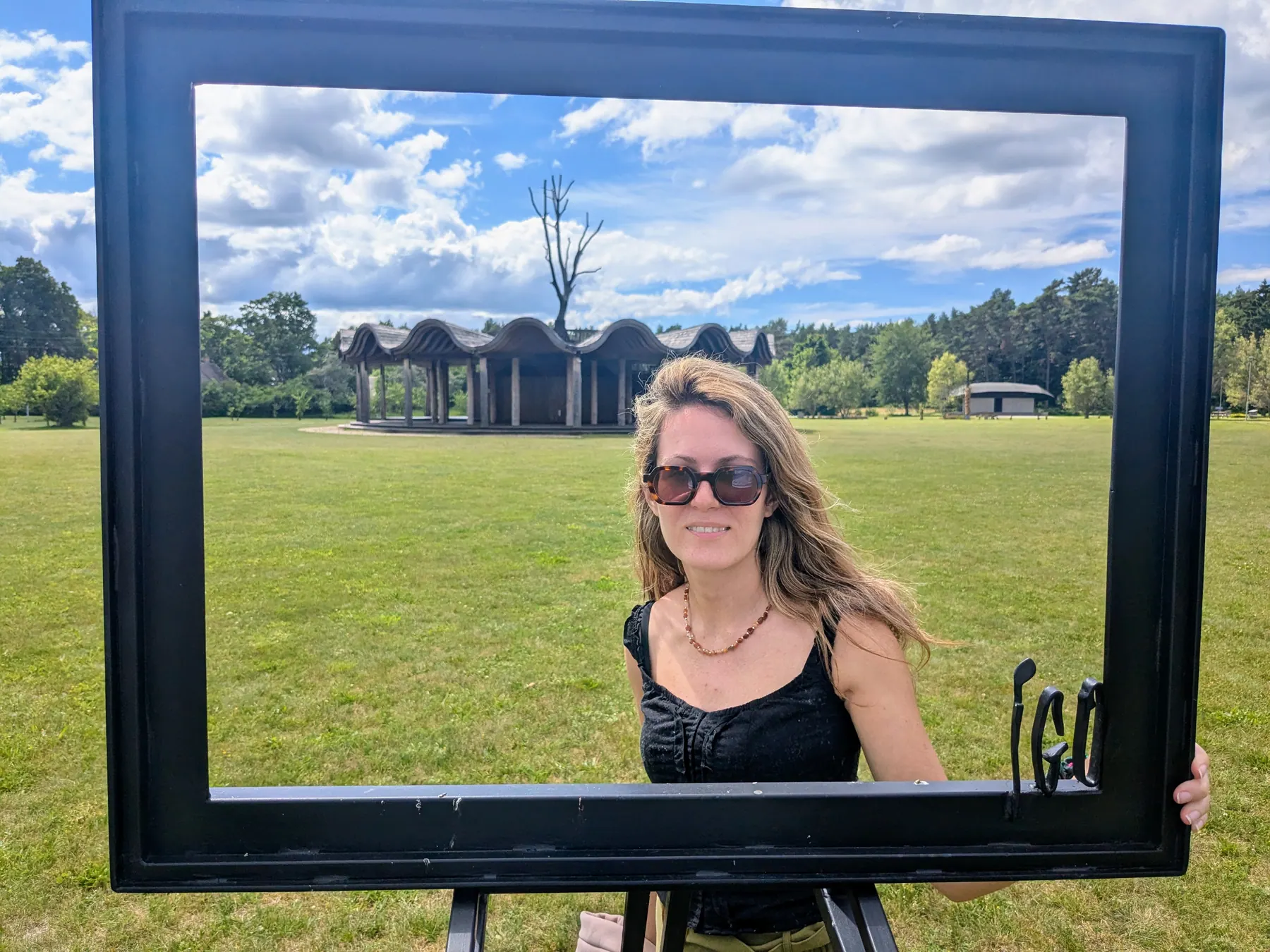
Next to the church is Jūrkalnes Ābeļdārzs, a pleasant little park with some interesting structures, including a small stage.
Walking the coast: the Jūrtaka
If you like walking, Jūrkalne sits on the Jūrtaka, the Latvian section of the Baltic Coastal Hiking Route, which is itself part of the long-distance European route E9. It’s split into roughly twenty-kilometre day sections, and the stretch between Jūrkalne and Pāvilosta is one of them - about twenty-one kilometres of beach, high banks and pine forest. Read more about the coastal trails on the official Baltic Trails website.
However, there is no rule saying you have to complete a full section or cover a fixed distance. You can walk for an hour, three hours or the whole day, then turn back whenever you like. If the timetable works for you, you can also catch a bus back from one of the small settlements along the route, so you do not have to walk the whole way back.
I walked part of it years ago, heading towards Pāvilosta, and it’s an experience that brings you closer to nature than most marked trails manage. There is very little between the two towns: the sea on one side, the steep shore and forest on the other, and in some parts you meet nobody at all.
If you fancy the whole stretch, it’s a proper day’s walk along sand and beneath steep banks, with nothing much in between. One warning from this summer, though: walking out along the coast from Pāvilosta, we found some sections hard to get past because of fallen trees on the shore. It’s a natural, shifting coastline, so conditions change; be ready to scramble or turn back rather than assuming it’s a clear path the whole way.
Pāvilosta: the other end of the coast
About twenty kilometres down the coast is Pāvilosta, and it has a completely different feel. Jūrkalne is defined by its rural atmosphere and high sandy coast; Pāvilosta, by contrast, has a town centre, a culture house, a history museum and a working port.
It’s changing, too. In recent years it has filled up with new bars and restaurants, and more and more people are buying property here. It’s become one of those places that Latvians have decided they like.
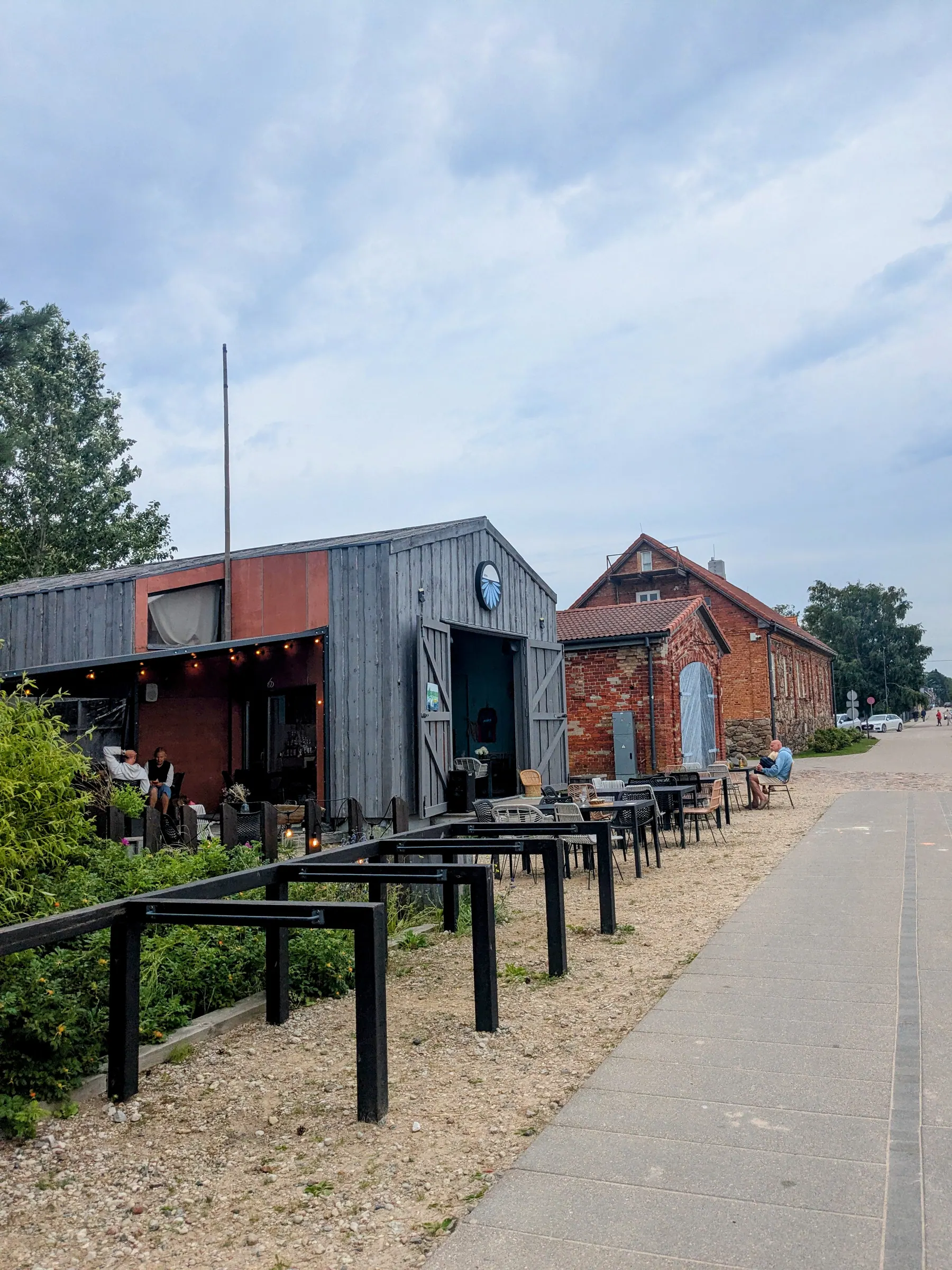
The museum (Pavilosta Local History museum) is worth a look if you’re curious about how the town came to exist: it’s housed in the first stone building in Pāvilosta, which has been a pilot’s house, a tavern, army barracks and a customs house before becoming a museum.
On our last visit we even went to an exhibition in the museum by a well-known Latvian artist - not something you expect in a town of about a thousand people.
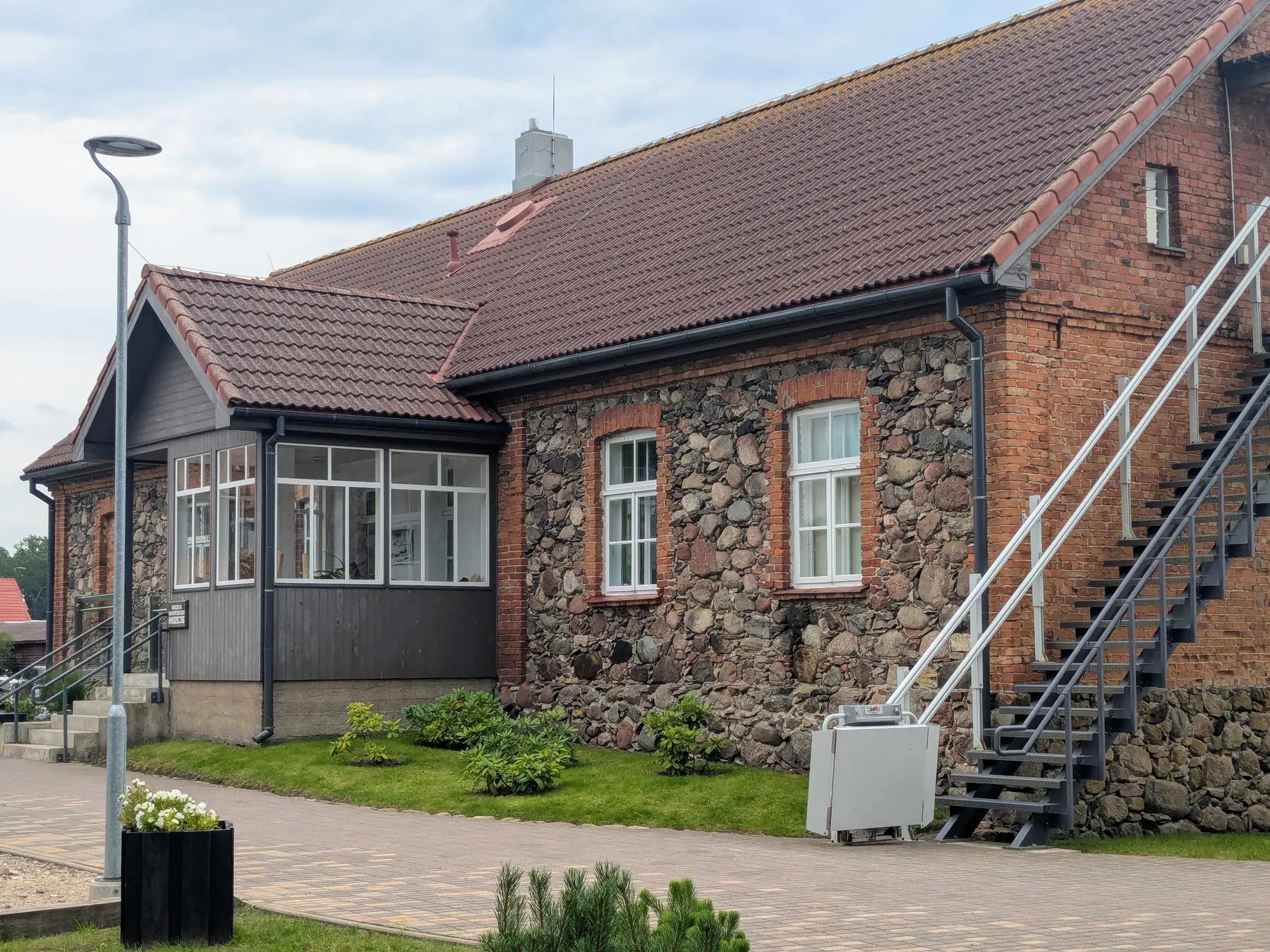
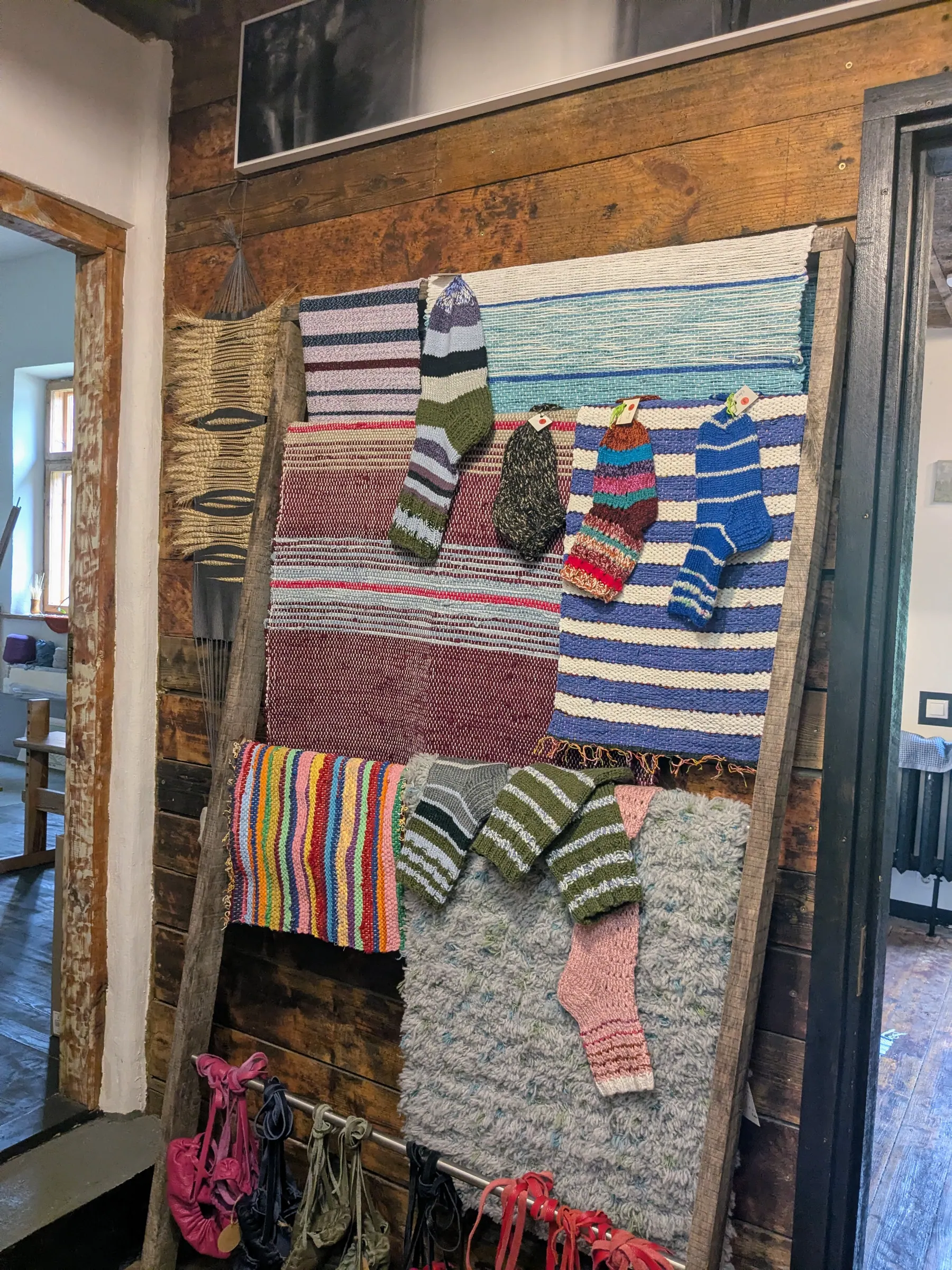
There is also PAiR, the Pāvilosta Artist in Residency, which sits in an old wooden building on Ernests Šneiders Square and hosts artists from Latvia and abroad. Its gallery is open to visitors and free to enter. We went in another time and there was nothing on that particular day, so it depends when you come, but if there is an exhibition it’s worth a look. Check their opening days before you go.
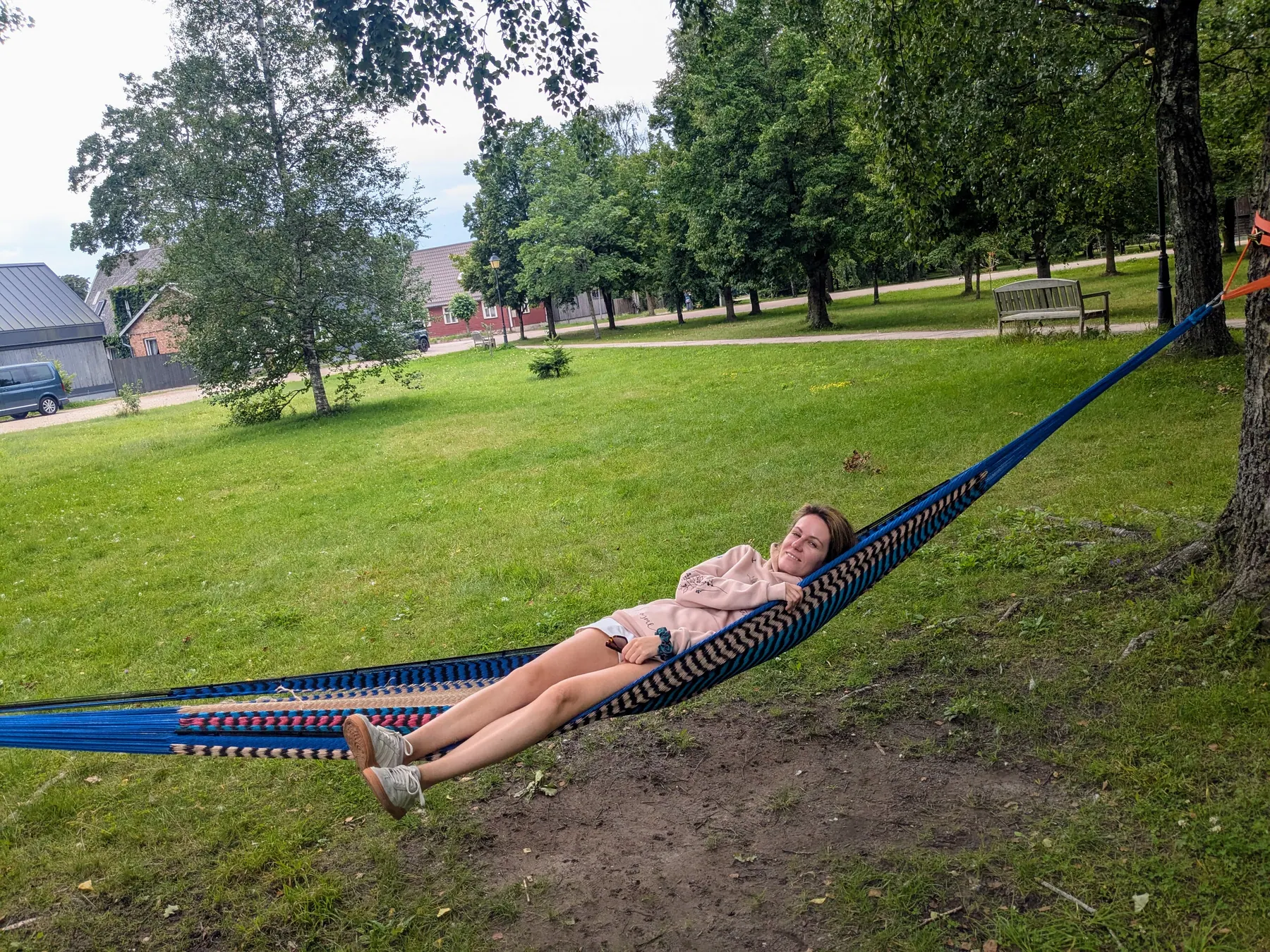
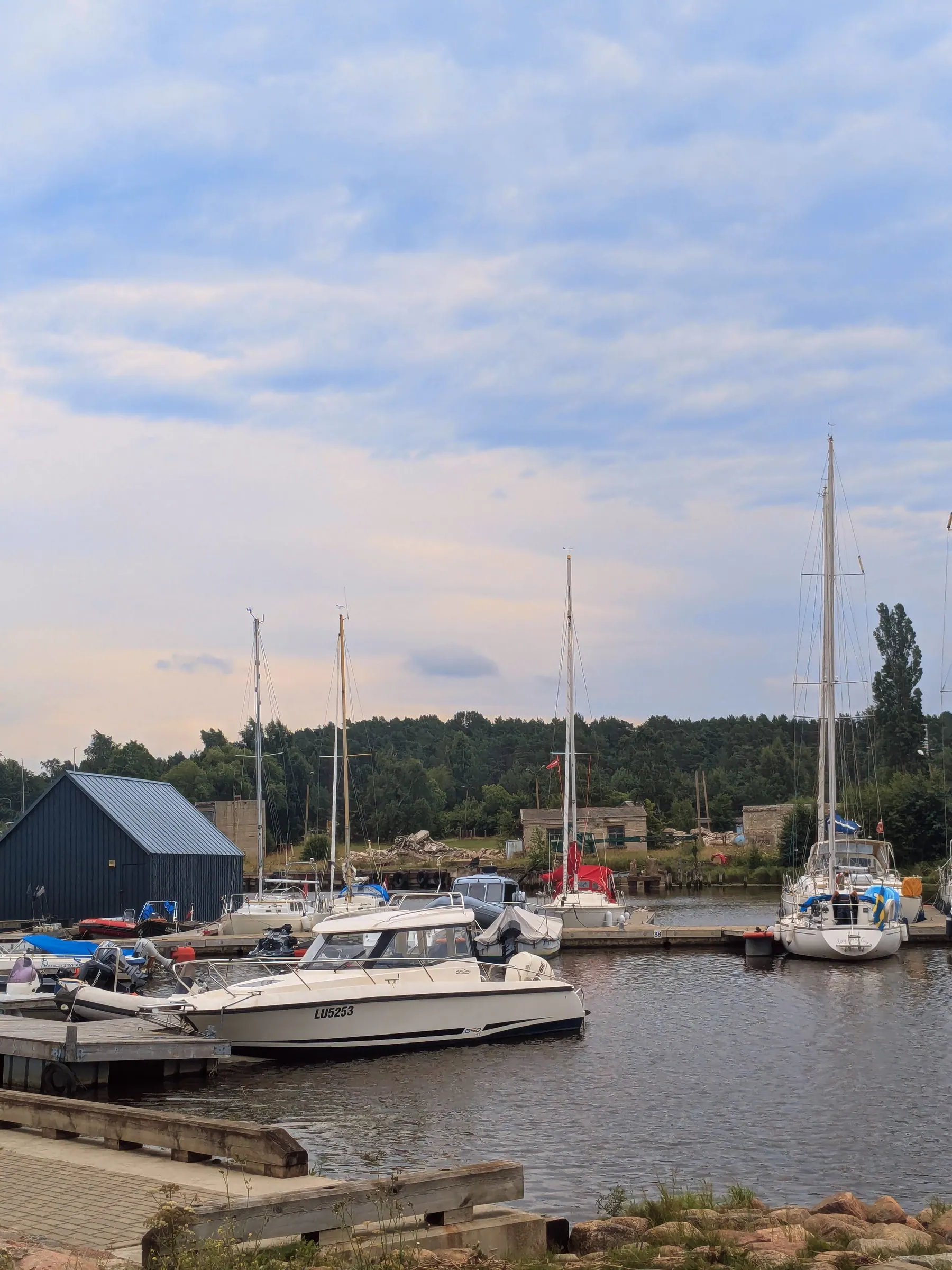
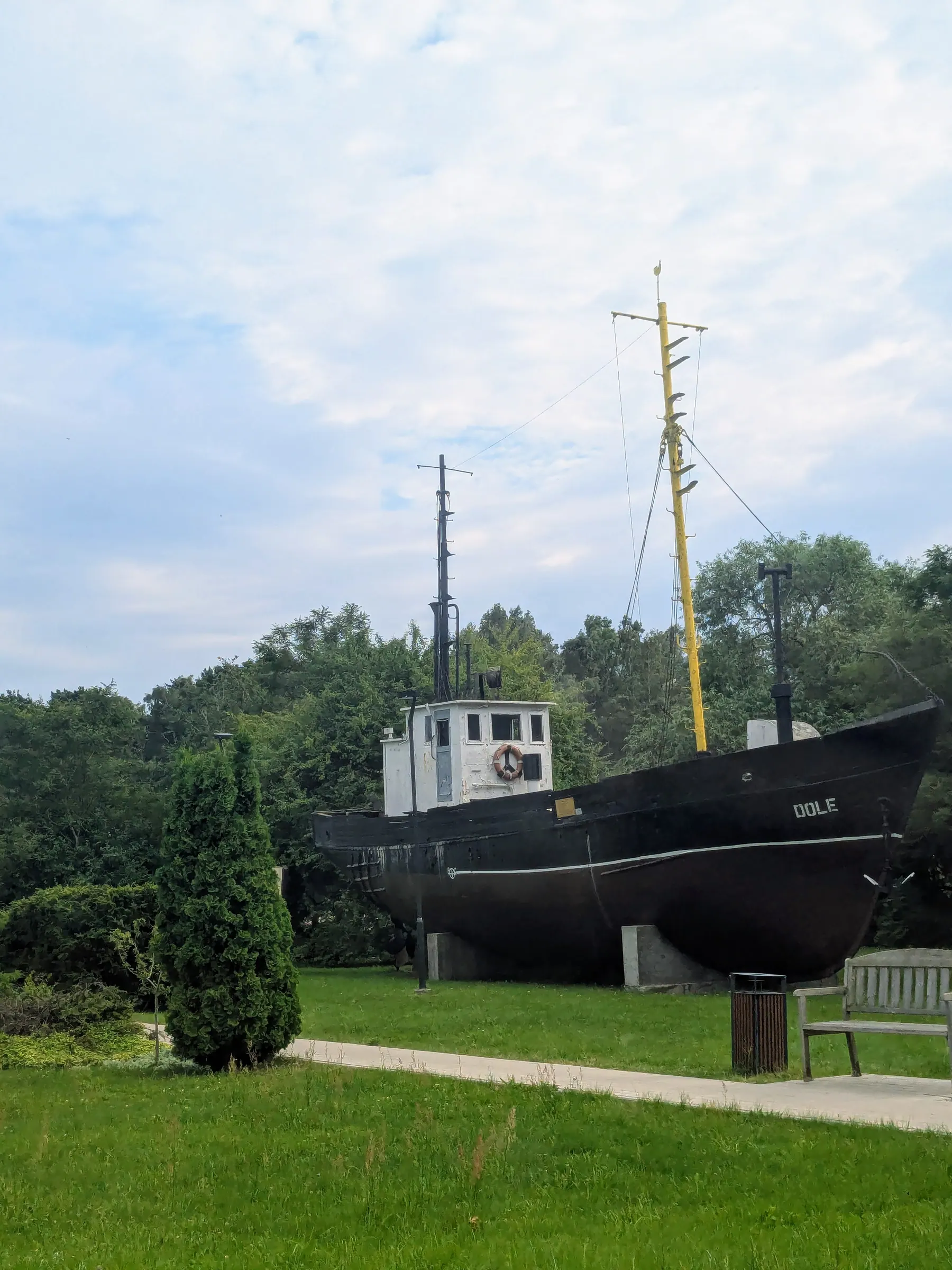
There’s also the lighthouse, and the piers and promenade along the harbour, where the fishing boats and yachts are moored.
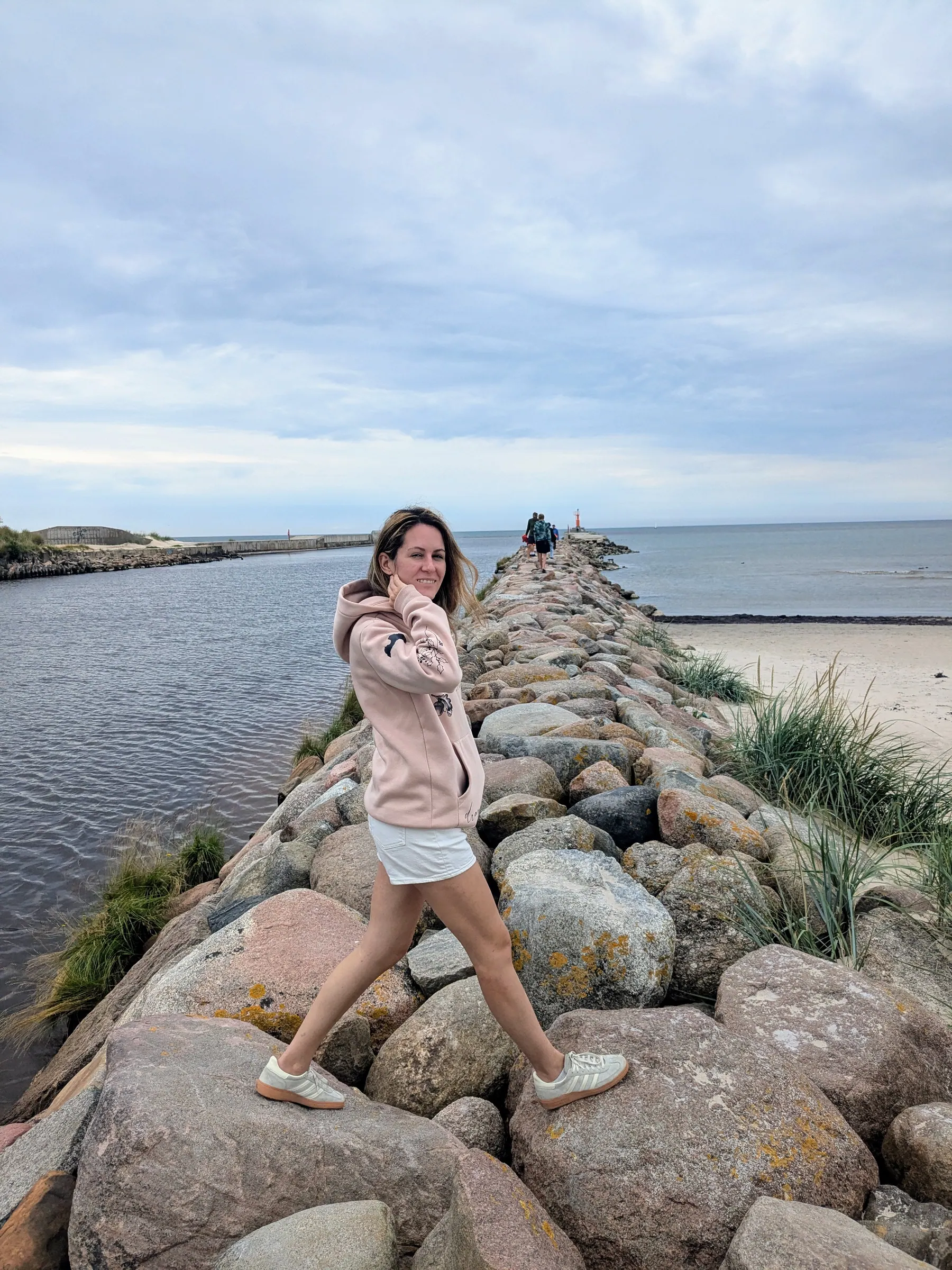
Wind, boards and the water sports crowd
If you’re into water sports, this is your stop. The wind here is reliable enough that Pāvilosta has become the centre of it on this coast, with windsurfers, kitesurfers and paddleboarders out most of the summer.
The smoked fish
One thing that hasn’t changed since I was a child is the smoked fish. Pāvilosta has been a fishing town since long before it was a holiday one, and the smoking traditions have been passed down here for generations. You can still buy it fresh from the smokehouse - bute (flounder), which is my favourite, nēģi (lampreys) and whatever else has come in. The fish comes straight out of the sea in front of you, and nowhere else tastes better. Jūrkalne also has a smoked fish shop.
The beach, and looking for amber
But the best thing here is the same as in Jūrkalne: the beach. Walking it is beautiful, and last time we spent a while crouched over the stones, hoping to find amber. We didn’t find any, but the colours of the small stones on that beach are impressive on their own.
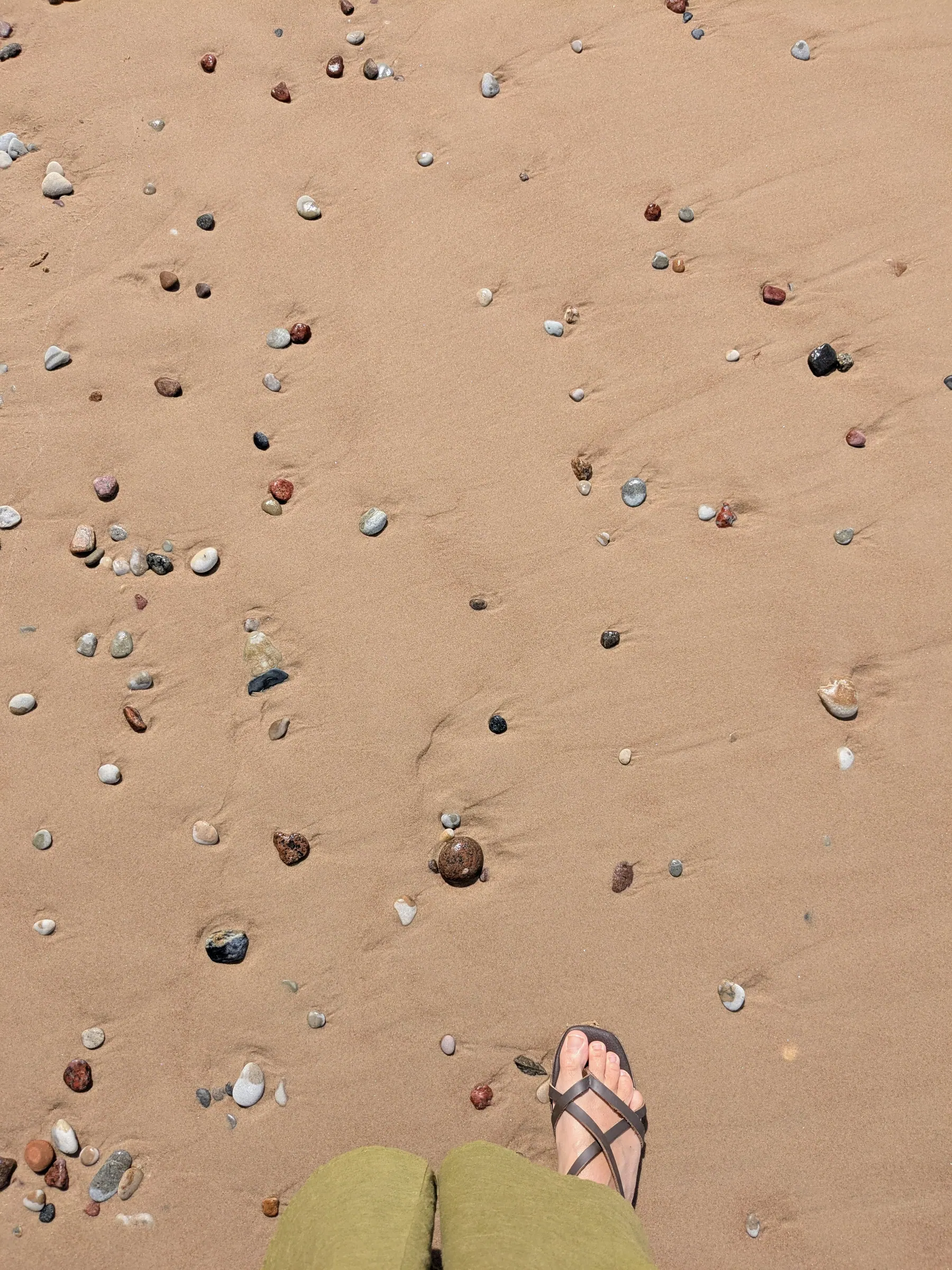
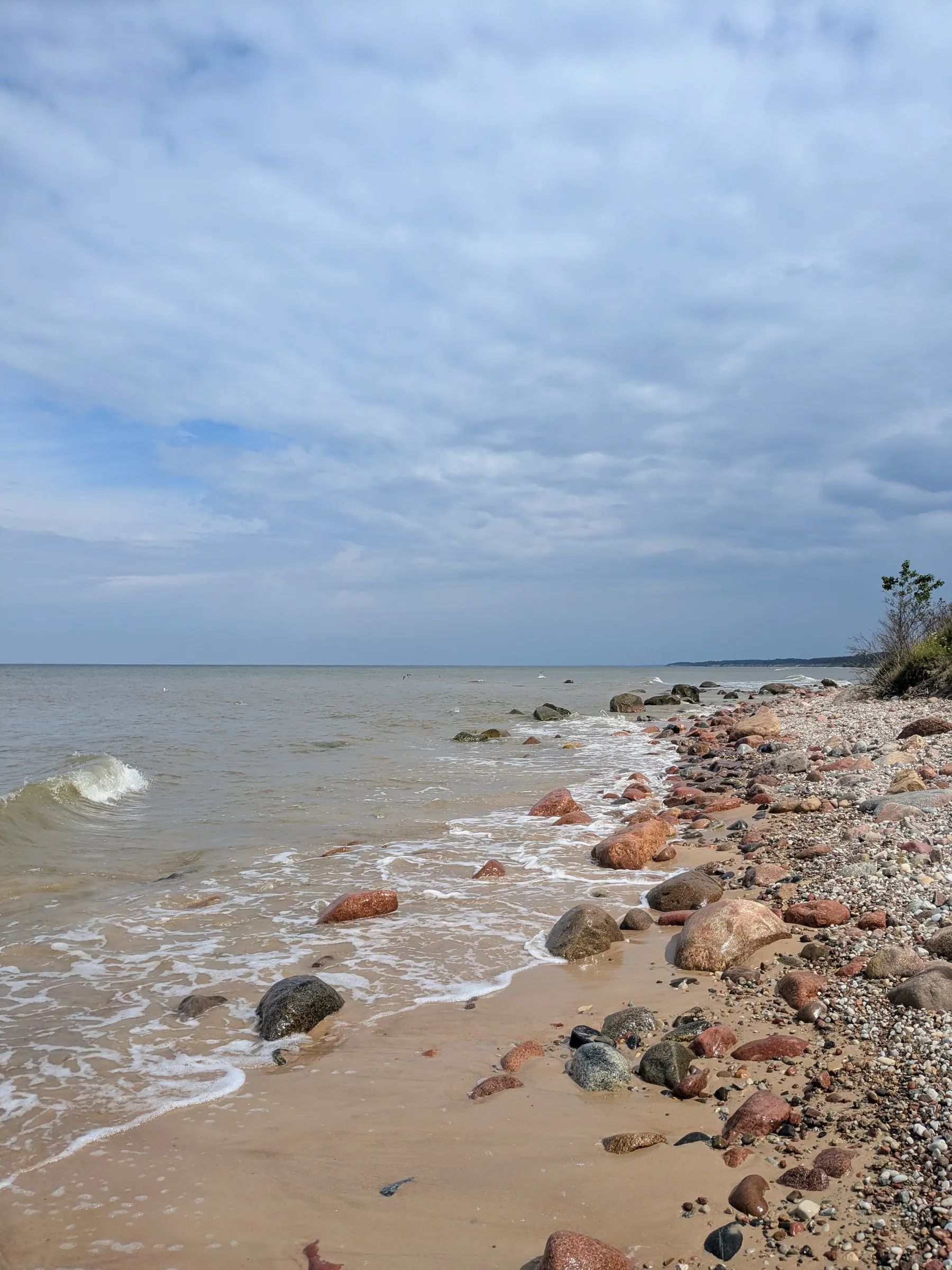
If you want to try properly, the local advice is to look after autumn or spring storms with a westerly wind, early in the morning, among the seaweed at the northern end of the beach. One safety note: don’t pick up anything that looks like amber but isn’t - pale lumps of white phosphorus occasionally wash up on Baltic beaches and can be dangerous, so if you’re unsure, leave it.
Getting there and a useful note
Jūrkalne is a long way west of Riga - around 200 kilometres, or roughly two and a half to three hours by car. Pāvilosta sits a little further south down the coast, at around 220 kilometres. A car is by far the easiest way to do this coast, and it’s what I’d recommend.
If you don’t have one, it’s possible but complicated. There is a direct bus from Riga via Kuldīga to Jūrkalne, continuing on to Pāvilosta; tickets cost around €10 each way and the journey takes a little over three hours. The problem is the timing - you arrive in the evening, and the return bus goes at something like four in the morning, which isn’t much of a plan unless you’re staying several nights. For more daytime options, take a frequent coach from Riga to Kuldīga, Ventspils or Liepāja, and connect to a regional bus from there. From Liepāja or Ventspils it’s far better: buses run to both places several times a day and cost only a few euros, so if you’re already on the coast, that’s the sensible way in.
If you’re using Liepāja as your base, my guide to Liepāja covers the Northern Forts, Karosta Prison and the city beach before you continue along the coast.
Once you’re in Jūrkalne, navigate to the Jūrkalne Seashore Bluffs parking area (marked locally as Jūrkalnes stāvkrasts); from there a wooden staircase leads down from the high sandy bank directly onto Jūrkalne Beach.
Be careful on the stairs down to the beach - and this matters more than it sounds. Never climb the sandy slope outside the stairs. The greatest coastal erosion in Latvia happens right here: the shore can retreat by several metres in a year, and the staircase itself has had to be rebuilt many times after storms. The bank is sand, not rock, and it is a fragile, actively collapsing edge rather than solid ground. Use the stairs, and stay off the slope.
When to go, and can you swim?
Summer is the best time, but it is not always beach weather. We were here in July this year and wore jackets most of the time - the wind off the Baltic doesn’t care what month it is. You can swim, and people do, but the water is often very cold, and on a windy day it isn’t advisable.
If you’re coming to walk the Jūrtaka rather than to lie on the sand, other seasons work perfectly well, and the coast has a different kind of drama outside summer.
How long to spend
Both places are small, but that’s not really the question here. This isn’t a coast where you tick things off - it’s one where you sit and look at the sea, or go for a long walk along it. You can do both as stops in a single day if you’re passing through, or you can settle into either one for a day or several and do very little. It depends what you’re after.
Last time, I spent an evening in Jūrkalne and the first part of the following day walking along the beach and lying on the sand. In Pāvilosta, I spent around half a day while also visiting relatives who live there in summer.
Where to stay
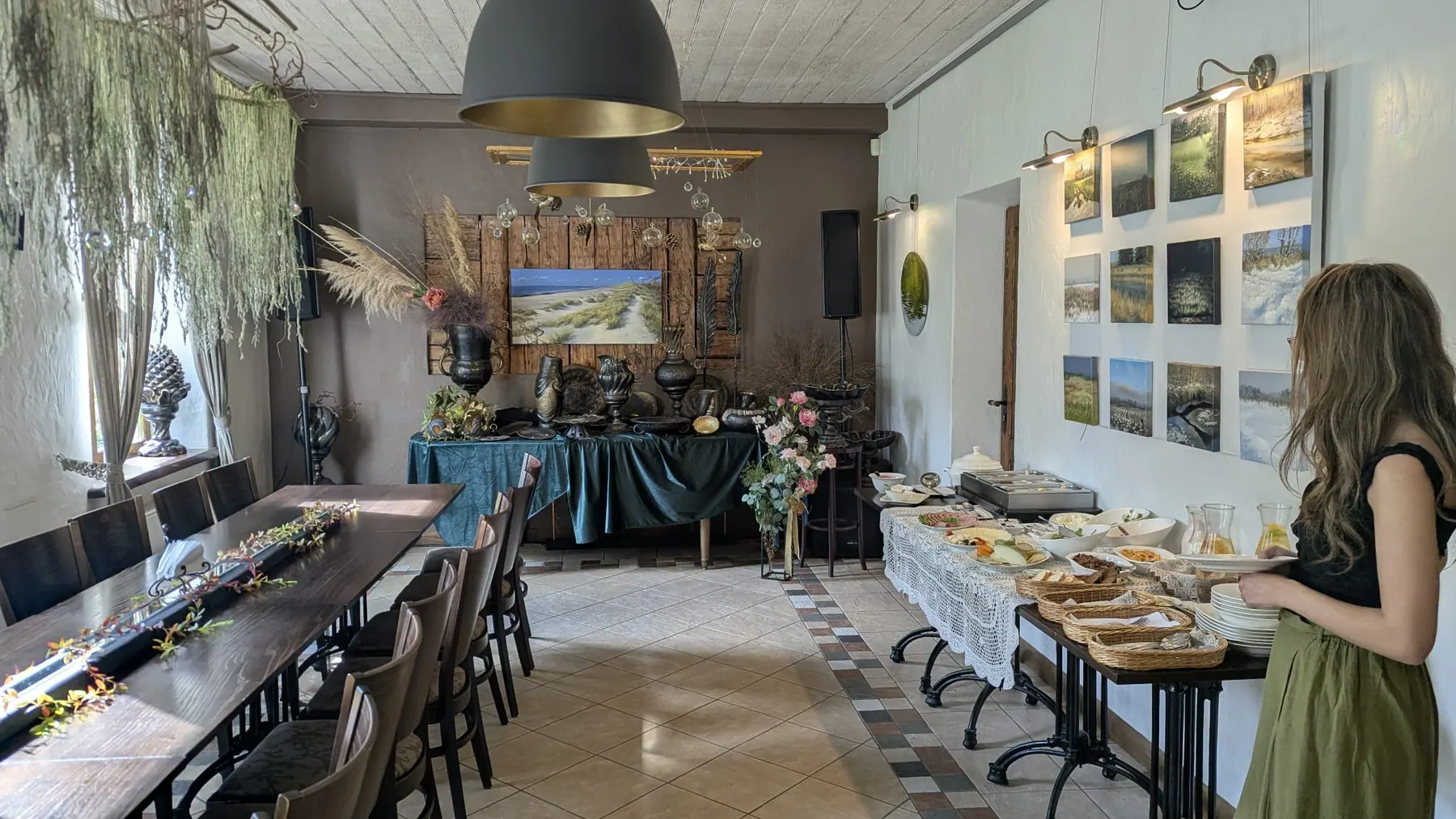
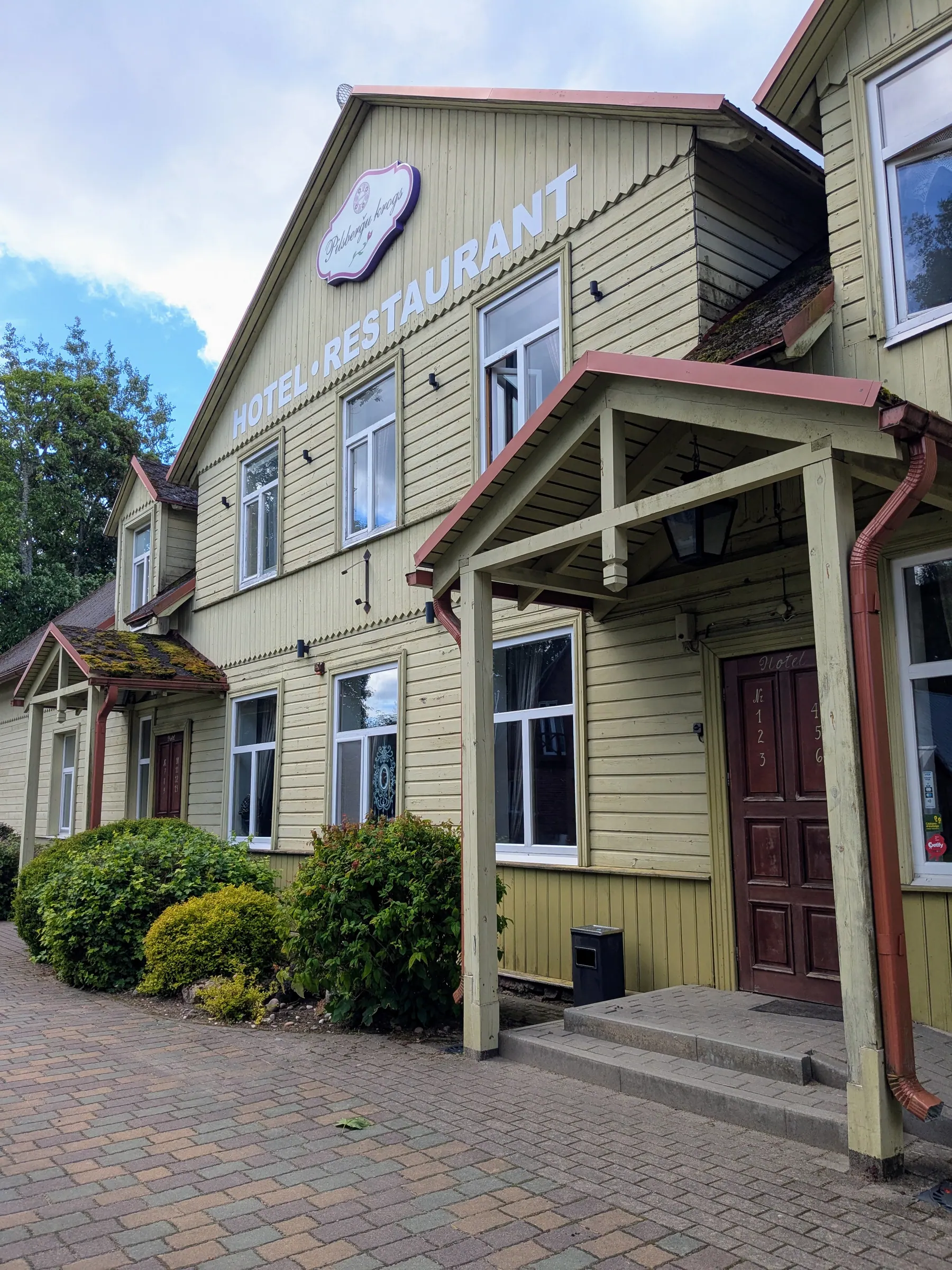
In Jūrkalne we stayed at Pilsberģu krogs, around an eight-minute walk from the coast. It’s a former manor house, and it has kept a real character of its own - cosy rooms, wooden furniture, and even a small collection of antique objects inside. It’s the kind of place that belongs where it is, which isn’t always true of seaside accommodation. We paid around €74 a night in July, without breakfast, and we ended up adding the breakfast separately afterwards. My advice is to choose the breakfast: it’s a good buffet, and Jūrkalne is remote - there isn’t much else nearby.
If you’d rather be outside, there’s also a camping area in Jūrkalne with space for tents and vans by the sea.
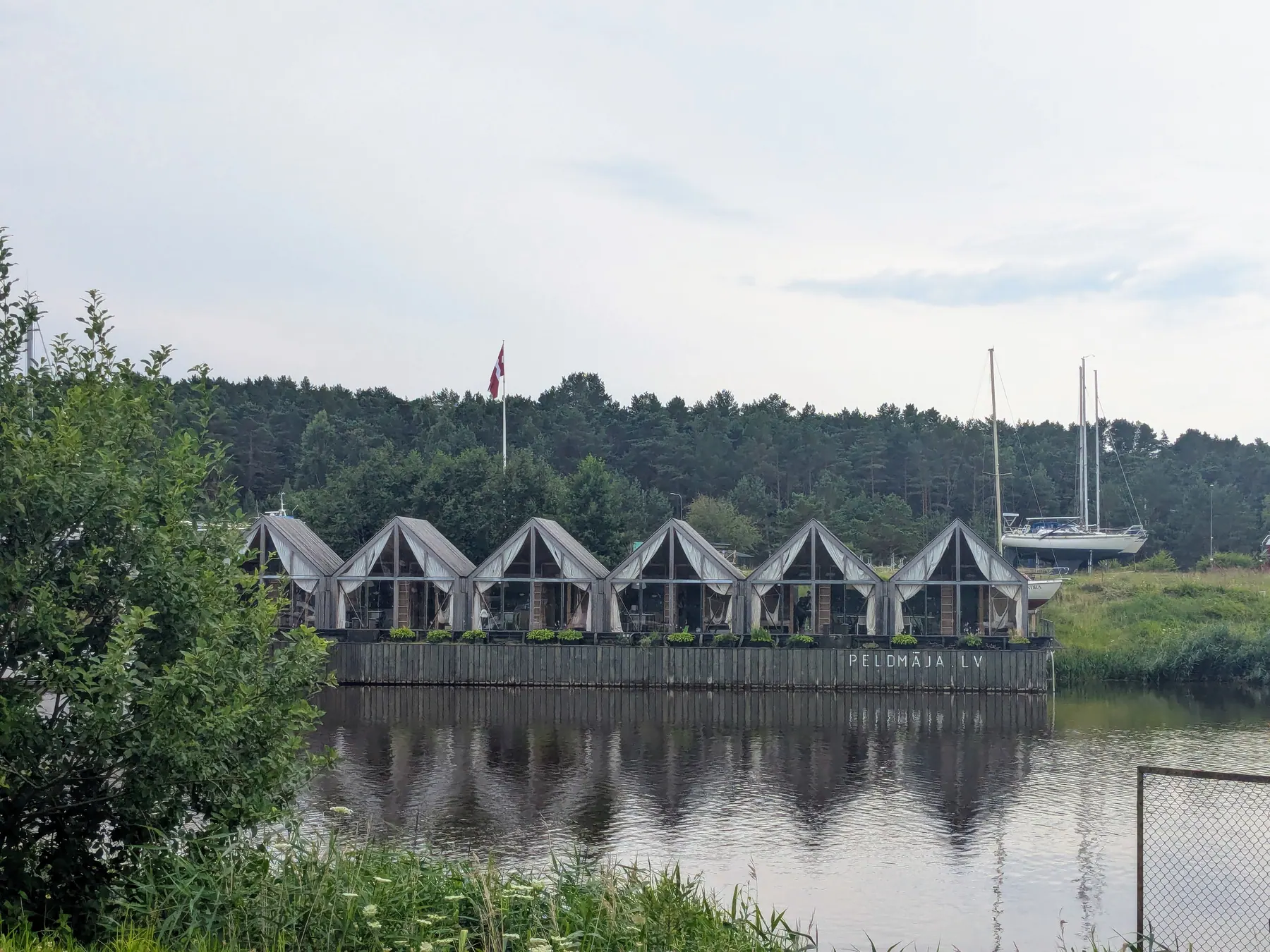
In Pāvilosta there are also the Peldmāja cottages, whose name means “floating home” - six small houses in a row on a pontoon on the Saka river, looking across at the old centre. A nice option if you want to sleep right on the water.
Is it worth it?
Jūrkalne can feel like a reset from the daily routine, surrounded by wild nature and the open coast. Pāvilosta gives you the harbour and a bit of life at the end of the day. Together, they make worthwhile stops on Latvia’s west coast, one of the wildest stretches of coastline in this part of Europe.
If one day your head feels too full and you need some fresh air, walk a stretch of this coastline. This is that kind of place: the wind, the open space and the steady sound of the sea can help you slow down and leave some of the stress behind.
Planning a longer trip across the country? See our Best of Latvia Beyond Riga guide to four regional routes, covering the Gauja Valley, Ķemeri and Lake Engure, Kurzeme, and the Rundāle and Bauska area.
FAQs
Are Jūrkalne and Pāvilosta worth visiting?
Yes. Jūrkalne has one of Latvia's most dramatic stretches of high sandy coast, and Pāvilosta adds a small working harbour, local art, water sports and places to eat. Together they make one of the best nature-focused trips on Latvia's west coast.
What is the difference between Jūrkalne and Pāvilosta?
Jūrkalne is a tiny village known for its high sandy banks, empty beach and sunsets. Pāvilosta is a small harbour town with a museum, artist residency, piers, cafés and a stronger water-sports scene.
Can you walk from Pāvilosta to Jūrkalne?
Yes. The official Jūrtaka coastal section is about 20 kilometres and normally takes seven to nine hours. Conditions change with storms, high water and fallen trees, so check the route before setting out.
How to visit Jūrkalne Seashore Bluffs from Riga?
Driving is the easiest way to reach Jūrkalne Seashore Bluffs from Riga, taking around 2.5 to 3 hours (approx. 200 km) via the A9 or A10 road across Kurzeme. By public transport, a direct bus runs from Riga via Kuldīga to Jūrkalne and continues to Pāvilosta, though the timetable requires an overnight stay. Alternatively, take a frequent coach from Riga to Kuldīga, Ventspils or Liepāja and transfer to a connecting regional coastal bus. Renting a car or staying overnight on the coast is highly recommended.
Read next
More posts for this trip mood
 Europe
 Kurzeme, Latvia
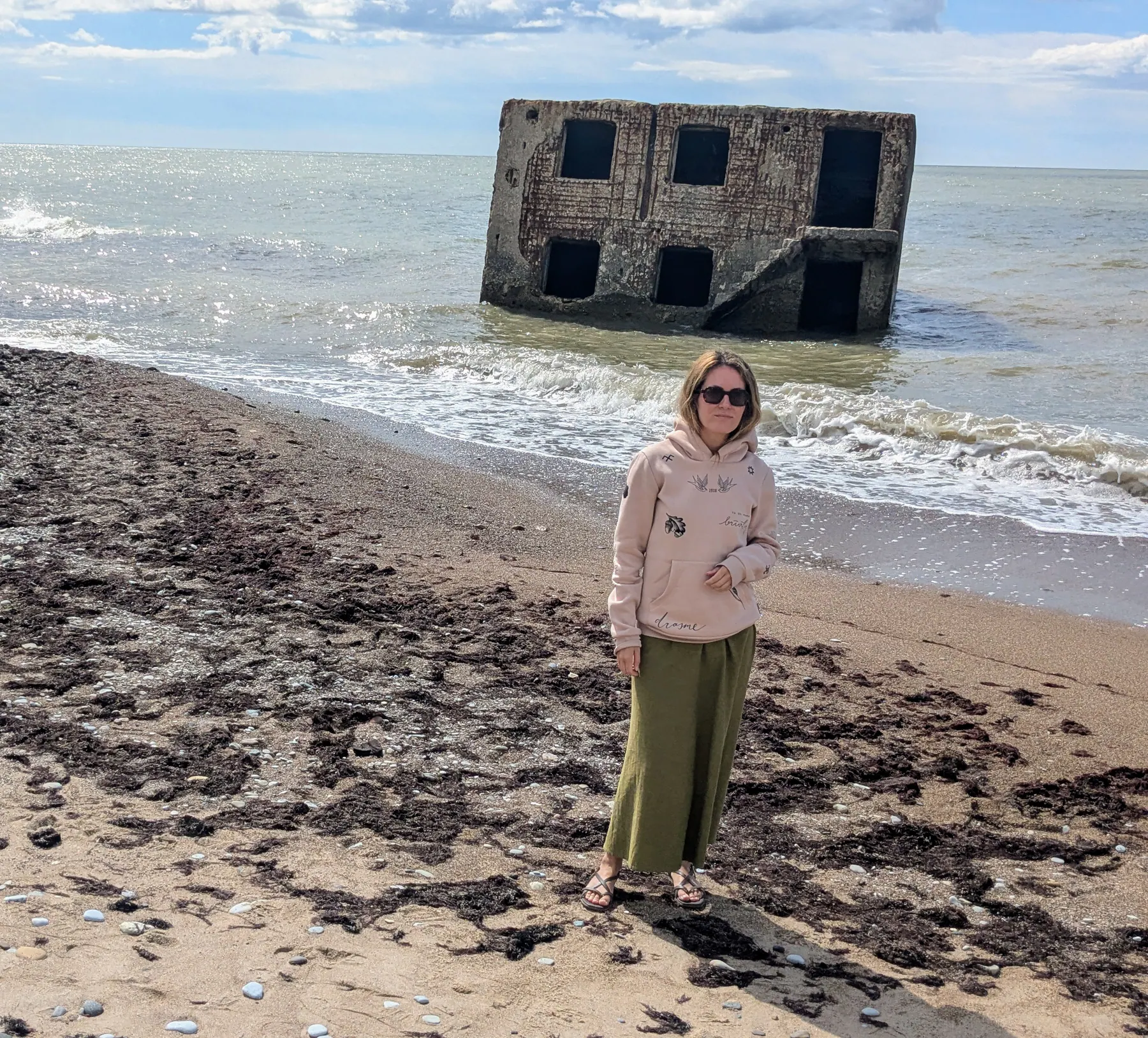
Liepāja: Blown-Up Forts, a Prison Hotel and a City Marked in Musical Notes
A Baltic city where blown-up forts, a prison hotel, music and a wide beach make for an unexpectedly versatile coastal break.
A Liepāja city guide with the Northern Forts, Karosta Prison, Art Nouveau architecture, street art, music, beaches and practical tips.
 Europe
 Kurzeme, Latvia
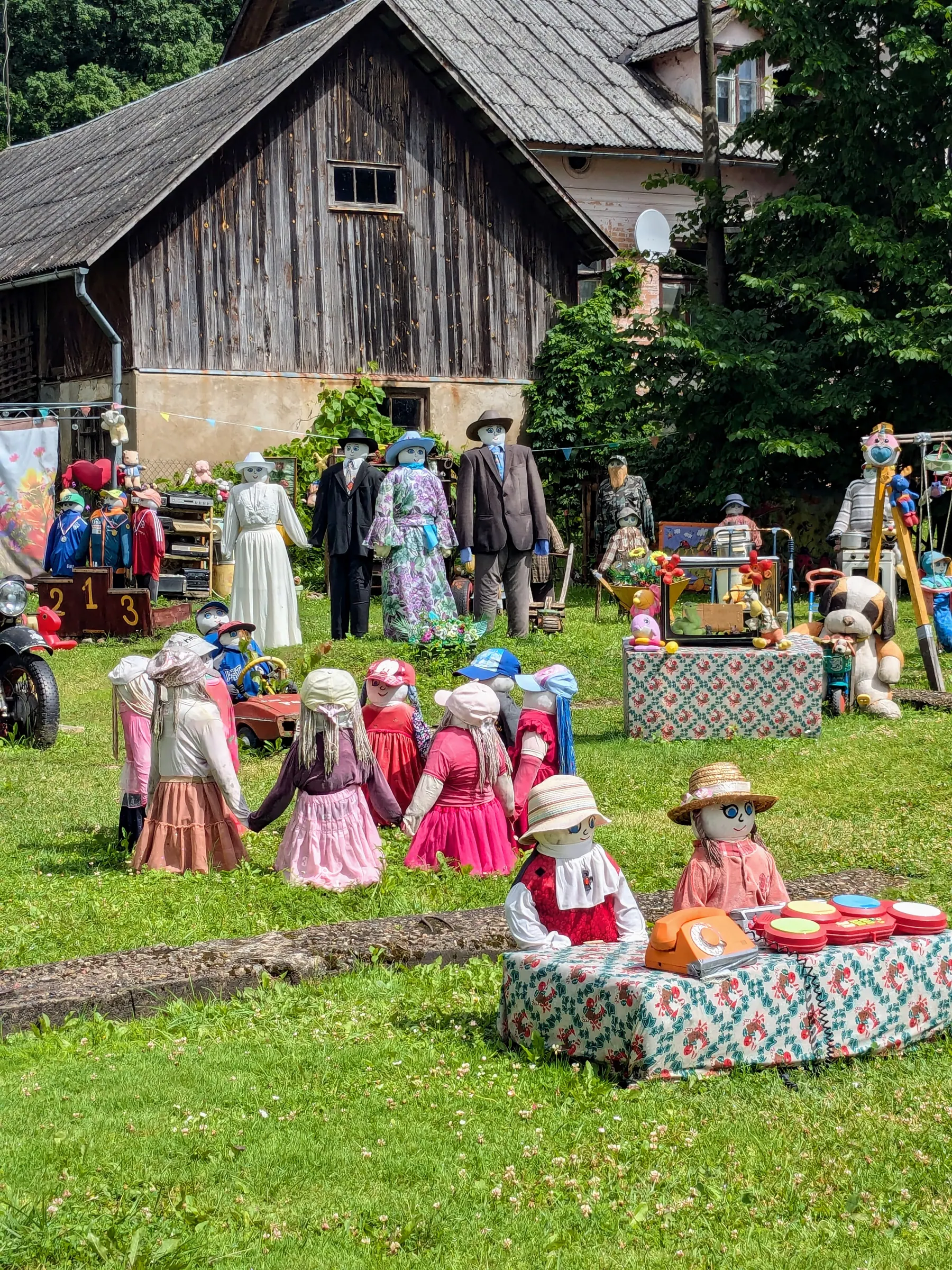
Kandava and Sabile: Two Small Towns Worth a Stop in Western Latvia
Two short stops filled with poetry, wine, handmade dolls and the quiet character of the Abava Valley.
Kandava and Sabile are two easy, characterful stops in the Abava Valley that make any drive west from Riga feel like part of the trip.
 Europe
 Kurzeme, Latvia
A Day in Kuldīga: Latvia's Most Charming Old Town and Europe's Widest Waterfall
A beautiful day spent between Kuldīga's old wooden streets, the Venta River and Europe's widest waterfall.
Kuldīga is a striking town, and if you happen to be in Latvia, I would say it is a must.