

Kandava and Sabile · Kurzeme · Latvia
Kandava and Sabile: Two Small Towns Worth a Stop in Western Latvia
Two short stops filled with poetry, wine, handmade dolls and the quiet character of the Abava Valley.
Kandava and Sabile are two easy, characterful stops in the Abava Valley that make any drive west from Riga feel like part of the trip.
Quick facts
- Best for
- A relaxed road-trip break with historic streets, poetry, local wine and cider, unusual folk art and green valley views.
- Time needed
- Allow around one hour for each town, or longer if you stop for lunch, wine or cider tasting.
- Getting there
- Follow the A10 west from Riga towards Tukums and the Abava Valley. Kandava and Sabile are about 30 minutes apart.
- Good to know
- Both towns involve only a small detour on the way to Kuldīga, Liepāja or Ventspils, making them easy to combine in one day.
If you’re driving west from Riga - towards Kuldīga, Liepāja or Ventspils - you don’t have to make the whole trip in one go. Two small towns sit right along the way, in the pretty Abava River valley, and both are worth pulling over for. On our way to the UNESCO-listed town of Kuldīga this summer - read our beautiful Kuldīga visit post - we stopped at Kandava and then Sabile, and they turned a long drive into a much nicer day.
If Liepāja is where you’re heading, it makes a rewarding coastal finish to this inland route. Read my guide to Liepāja for the Northern Forts, Karosta Prison and the city beach.
They’re easy to find. From Riga you take the A10 west to Tukums, then follow the road through the Abava valley - Kandava comes first, and Sabile a little further on, about half an hour apart. As a rough guide, both sit around an hour and a half from Riga by car, with Kandava a little closer and Sabile a little farther. Both are just off the main road heading west, so wherever in the west of Latvia you’re going, you barely detour to reach them.
Neither town takes long. Each is an easy stop of about an hour if you just want a short walk and a look around - though it can stretch longer if you stop to taste the local wines and ciders, or settle in for lunch.
Kandava: a quiet poetry town
We stopped in Kandava mainly for a short break, and above all to visit Pie Kristapa, a café known for its pastries that my mum had recommended after being there before. The pastries were very good - we went for a rhubarb pie with a crumbly topping - and we were happy little travellers afterwards. Rhubarb is something of a cult ingredient in Latvia. I hardly ever see it in other countries, but here it turns up in all sorts of forms: in pastries, in cider and even in soup. It is delicious and well worth trying while you are in Latvia. That morning had been rainy, and we were lucky - the rain stopped almost exactly as we got out of the car, just in time for a walk.
Kandava is very small, so we did a short loop of the old town, which is all you really need. It’s one of the best-preserved small towns in this part of Latvia - it came through the wars almost intact, so it gives you a real sense of how a Latvian town looked a hundred years ago. What stands out are the painted houses and the old buildings along the cobblestone streets, and a slow stroll among them is a lovely thing to do.
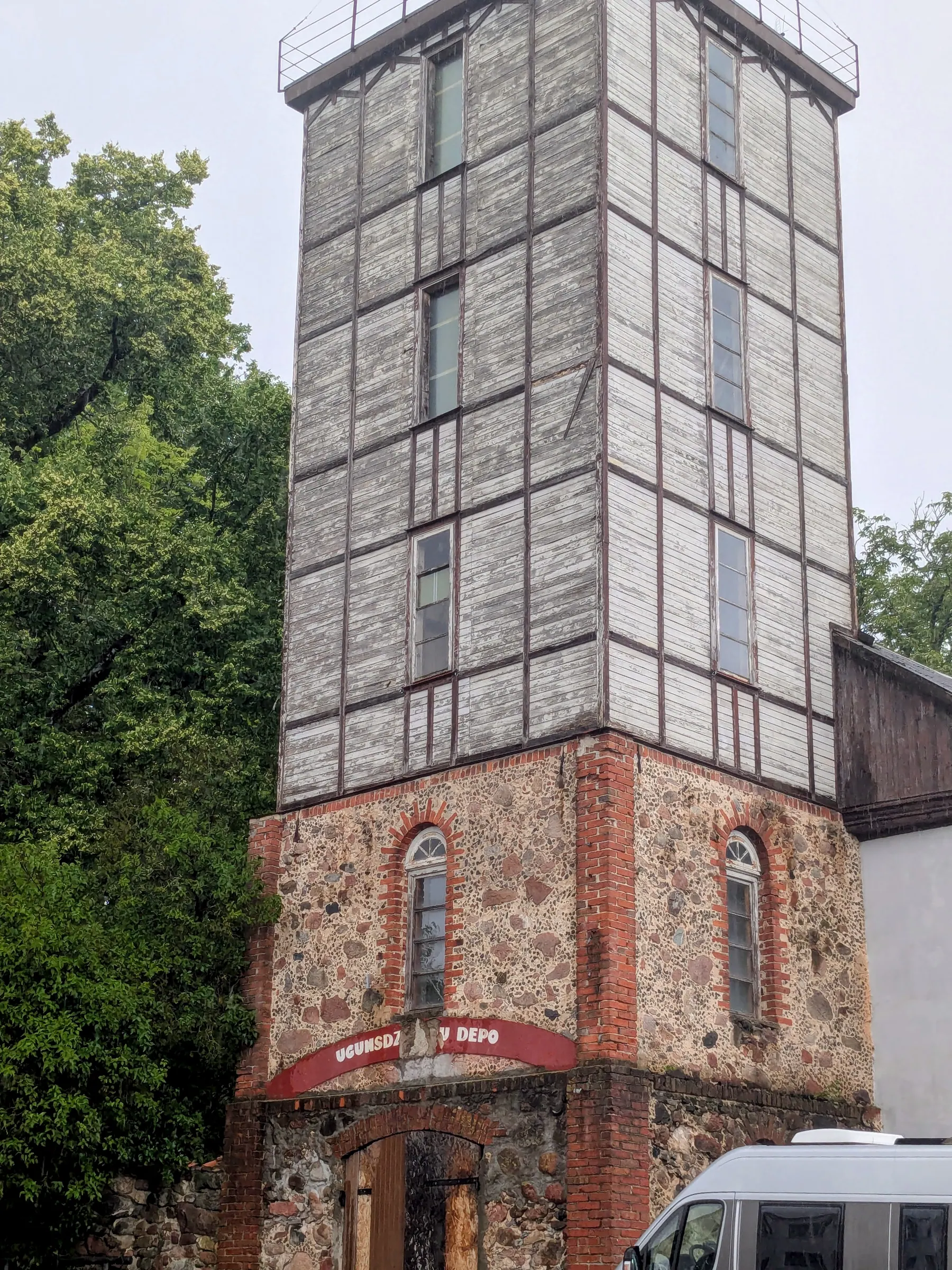
One house has a well-known mosaic showing the seven days of the week, depicting how the days pass for the people of Kandava and its visitors. On the main square, the old fire-fighter depot (Ugunsdzēsēju depo) is another unusual building to look out for.
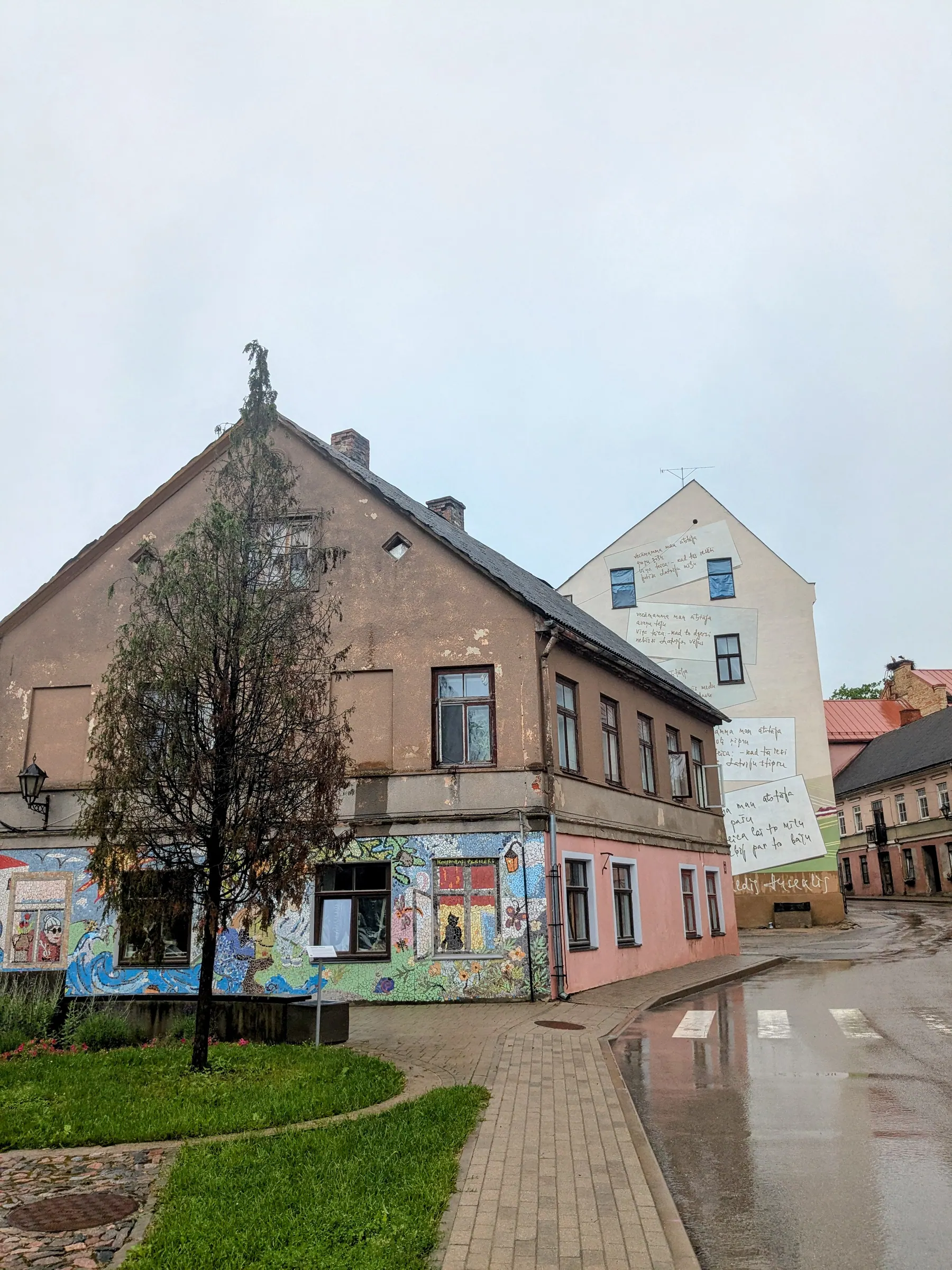
But the detail I liked most is that Kandava is a poetry town: on the walls of the houses you’ll find extracts of poetry by Latvian writers, painted where you can read them as you walk. It’s a warm, welcoming touch, and it makes wandering the streets feel like the town is quietly talking to you.
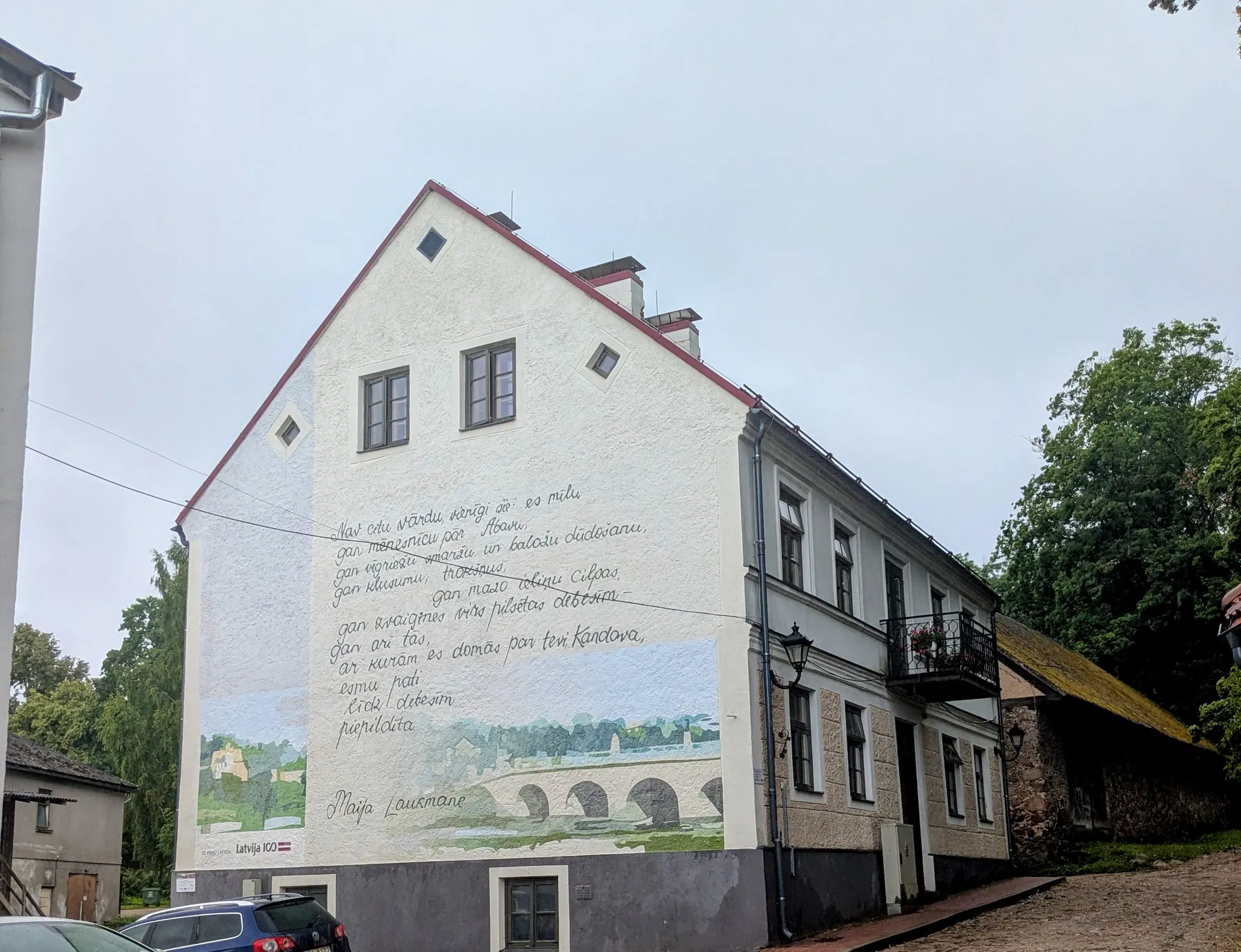
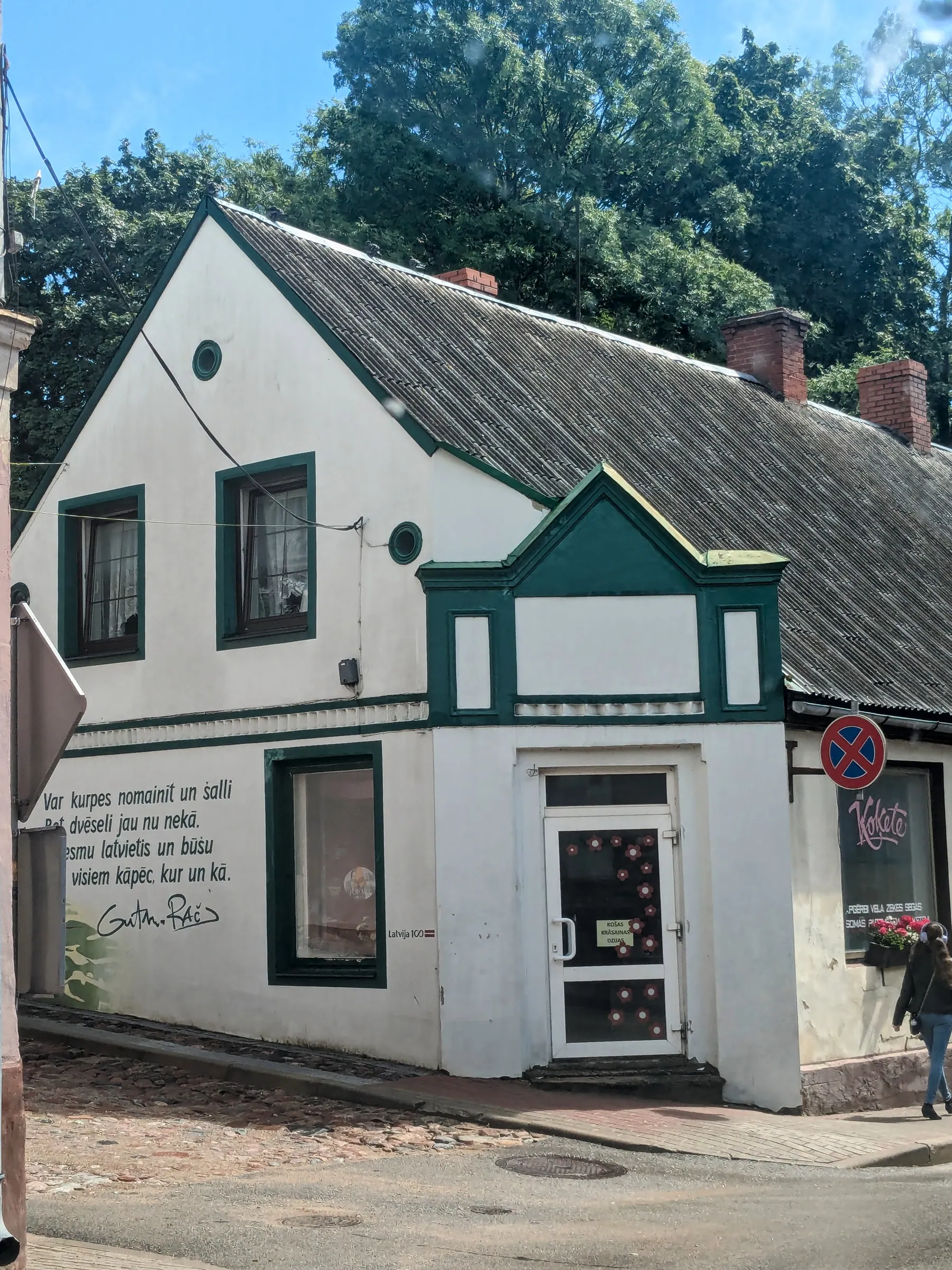
We only did a short loop, so we didn’t get to everything. If you have more time, Kandava also has its Powder Tower (Pulvertornis), built in Duke Jacob’s time, and the Kandava hillfort (Kandavas pilskalns), a medieval castle mound with views over the town and the Abava valley. It also has the oldest stone bridge in Latvia. Any of these would round out a longer stop.
Sabile: wine, dolls, and a very northern vineyard
Sabile was our next stop, and it has a few things you really won’t see elsewhere.
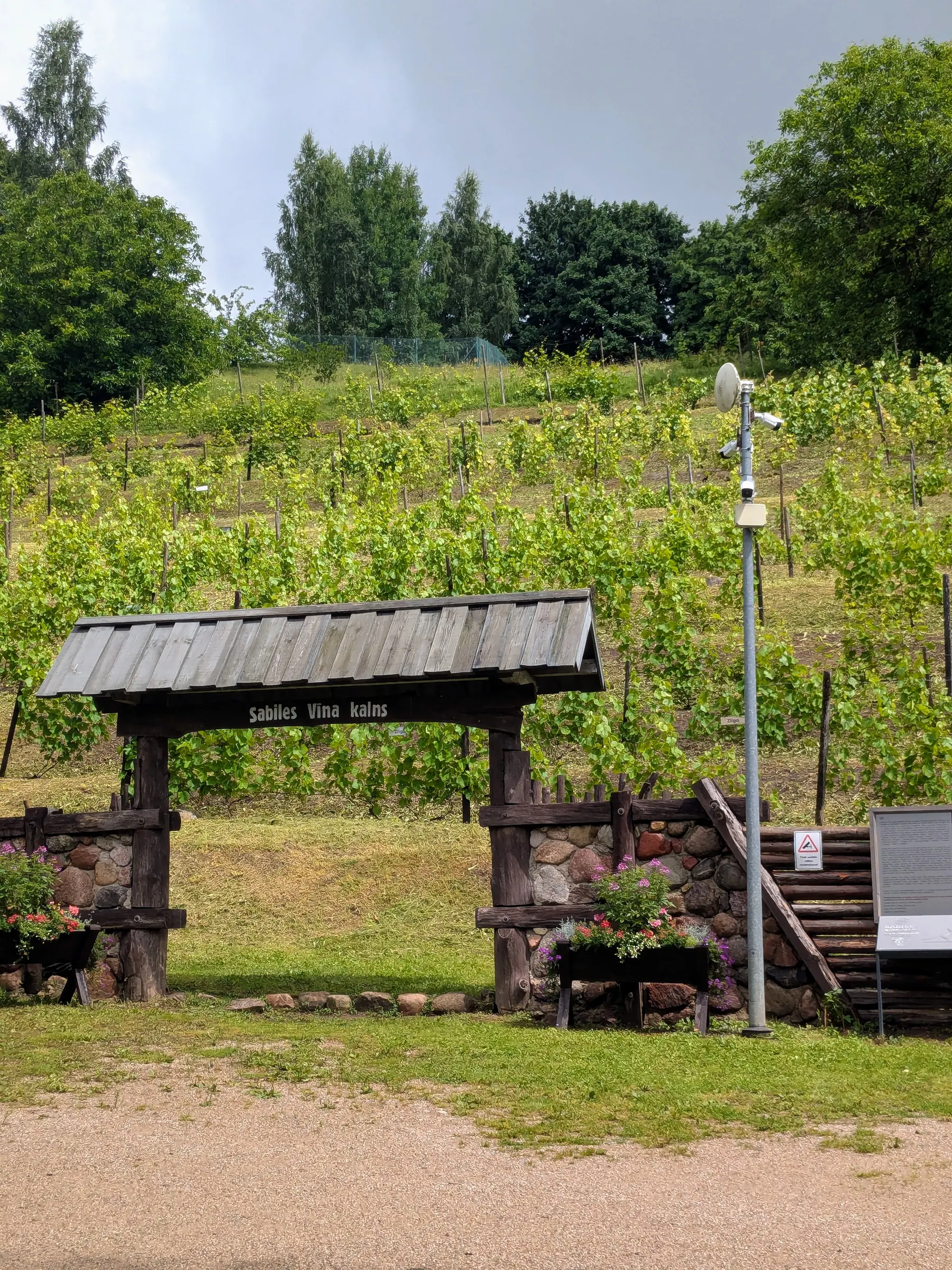
Among Latvians, Sabile is known above all for its wine and its doll garden. Sabile Wine Hill was listed in the Guinness Book of Records for several years as the northernmost open-air vineyard. So if you think wine can only come from Mediterranean countries, think again - it grows here, this far north. The vineyard sits on the Wine Hill (Vīna kalns), rising about 34 metres above the town and the Abava River, with grapes grown here since the 14th century. You can see it well from below, which is what we did this time, as we were short on time - or you can pay a small entrance fee of around €2 to walk up inside the vineyard to the top.
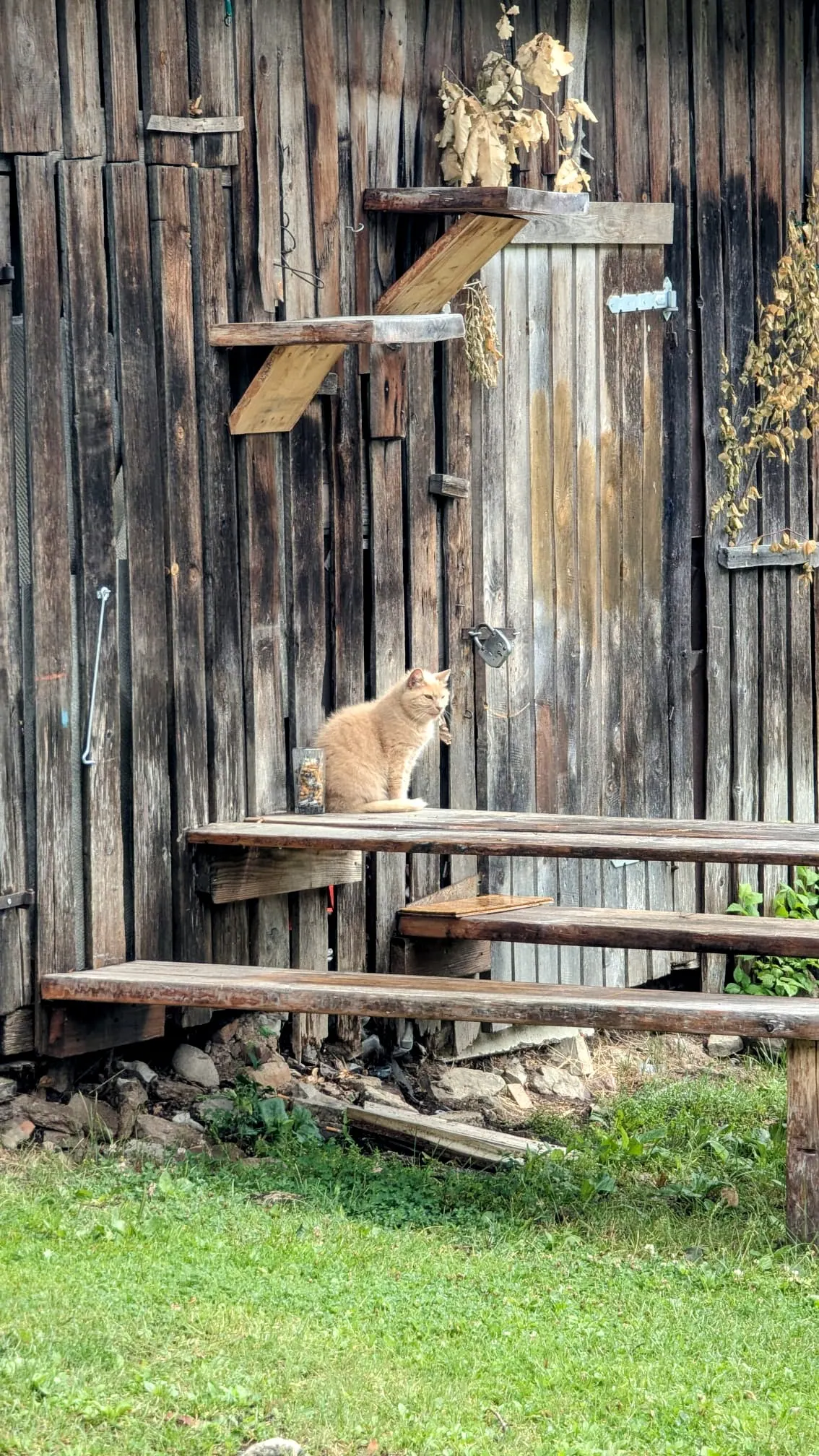
The town also has places where you can taste the local wine and cider, and I’ve tried both. In the centre of Sabile, Sabiles Sidra Nams (the cider house) is the spot for cider - for a proper tour and tasting you need to book in advance, but if you haven’t, they also have a small shop where you can just buy the ciders. The nearby Abavas winery, on the other hand, makes both wine and cider. You can try its drinks at RestoTerase, a family restaurant in the middle of town that acts as the “Abavas wine embassy” and serves a wide selection of the winery’s wines and ciders alongside its food. Both Sabiles Sidra Nams and Abavas make their drinks from Latvian fruit, including quince (cidonija), rhubarb (rabarbers), apples and berries. Which place you choose really depends on what you’d like to try.
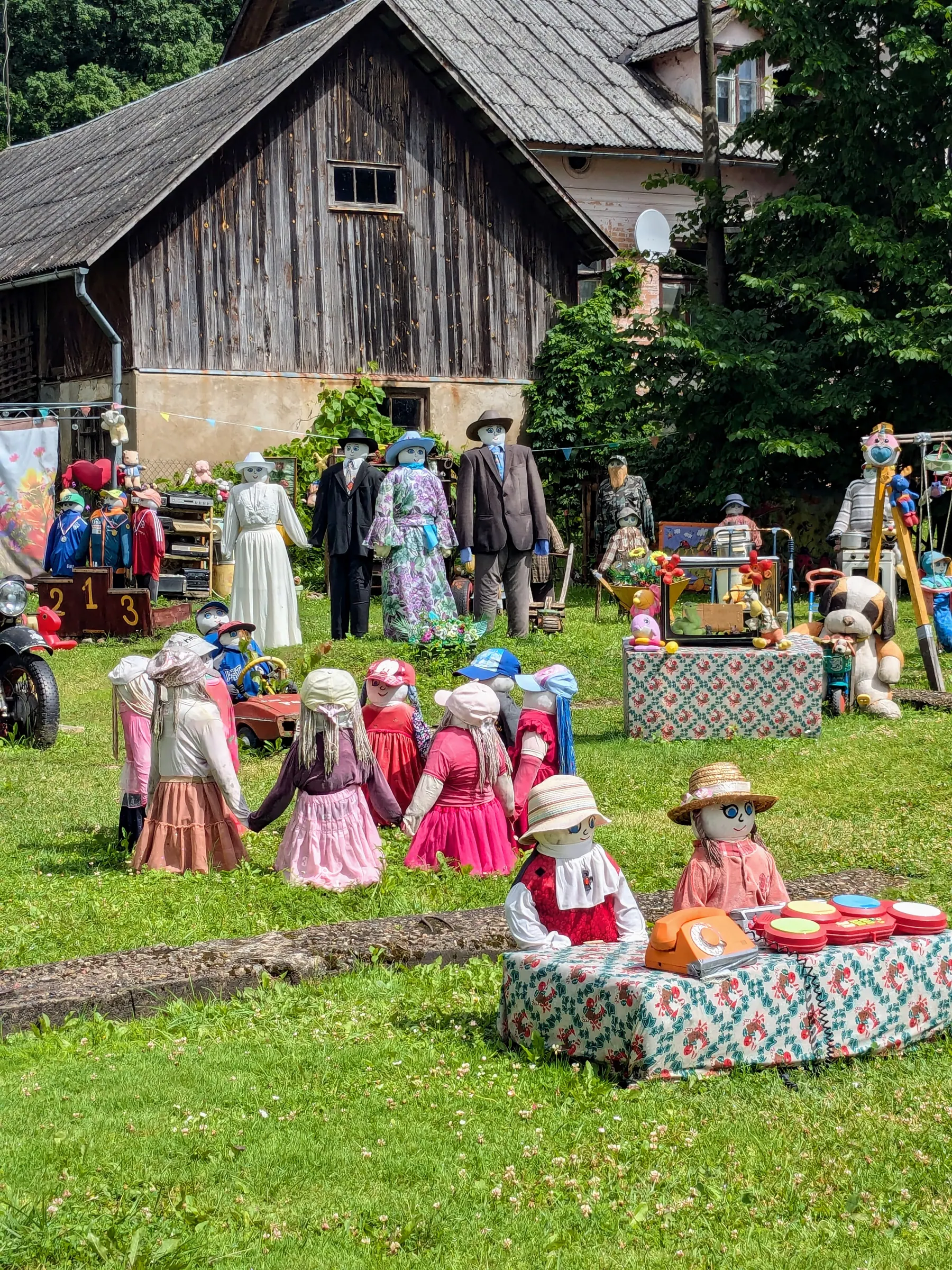
The other thing Sabile is known for, and an absolute must, is the Doll Garden (Leļļu dārzs). It’s been there as long as I can remember - I recall it from when I was a small child, and it’s still going. It’s an open, free area filled with countless handmade dolls, dressed up in all kinds of costumes and set in everyday scenes, all created by a local woman over the years. Visiting is free, but you can leave a donation if you’d like to support the garden. It really is one of those things you won’t have seen anywhere else - a little strange, a little wonderful.
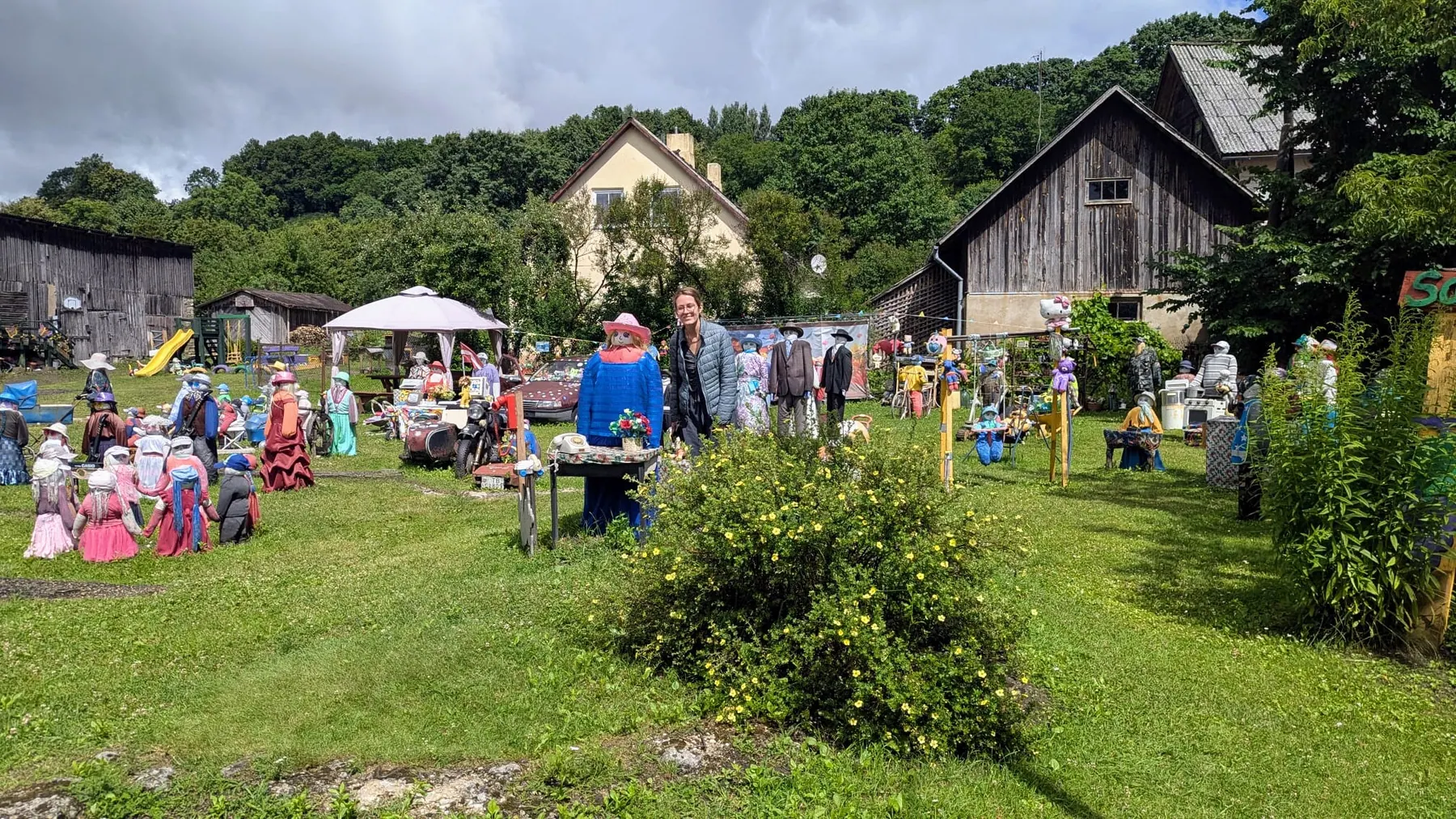
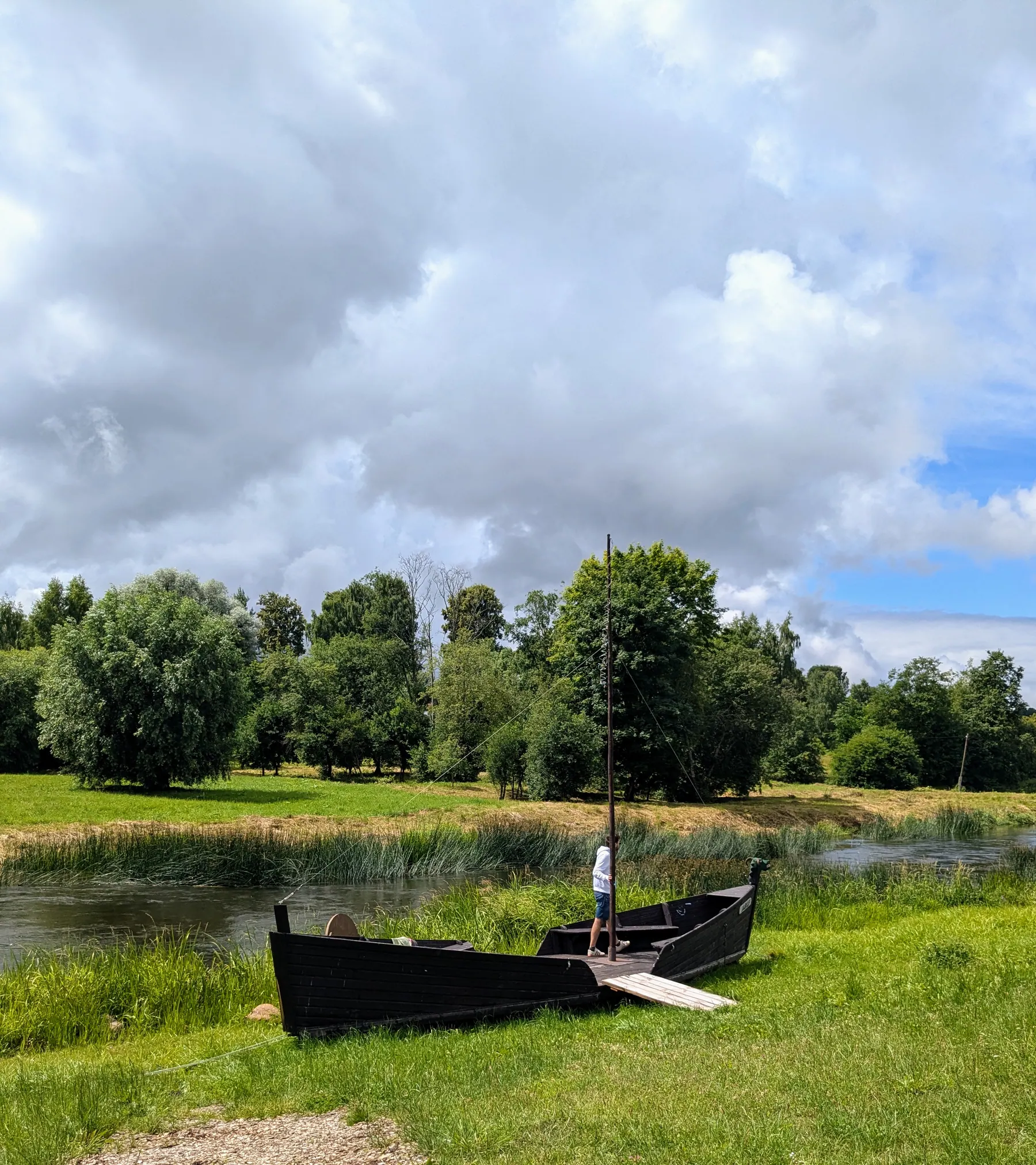
Down by the Abava River there’s the Sabile Art, Culture and Heritage Centre, housed in the town’s beautifully restored former synagogue, built in 1890. Just next to it, down by the square, there’s a nice spot by the river where we stopped to see an old wooden boat.
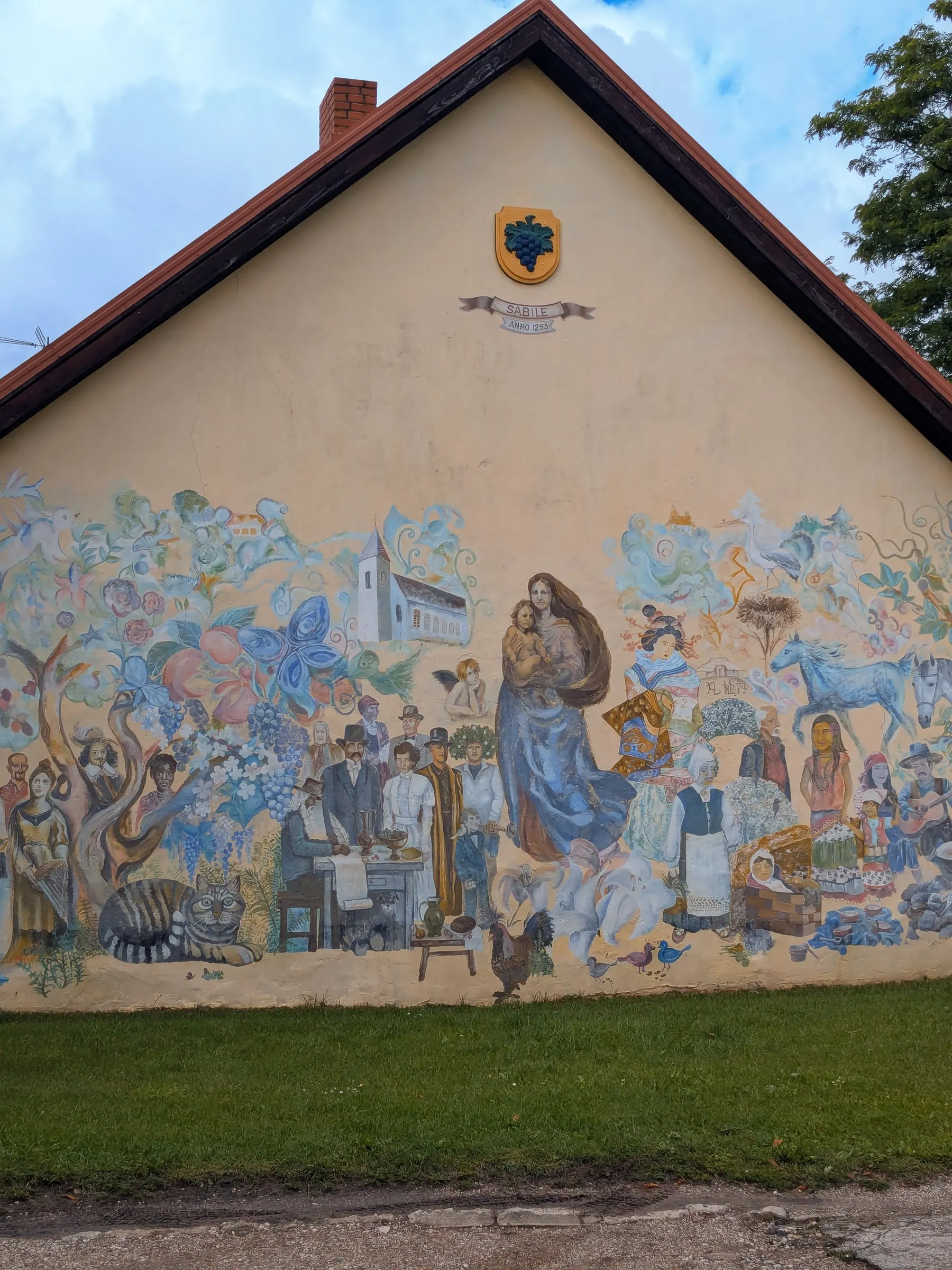
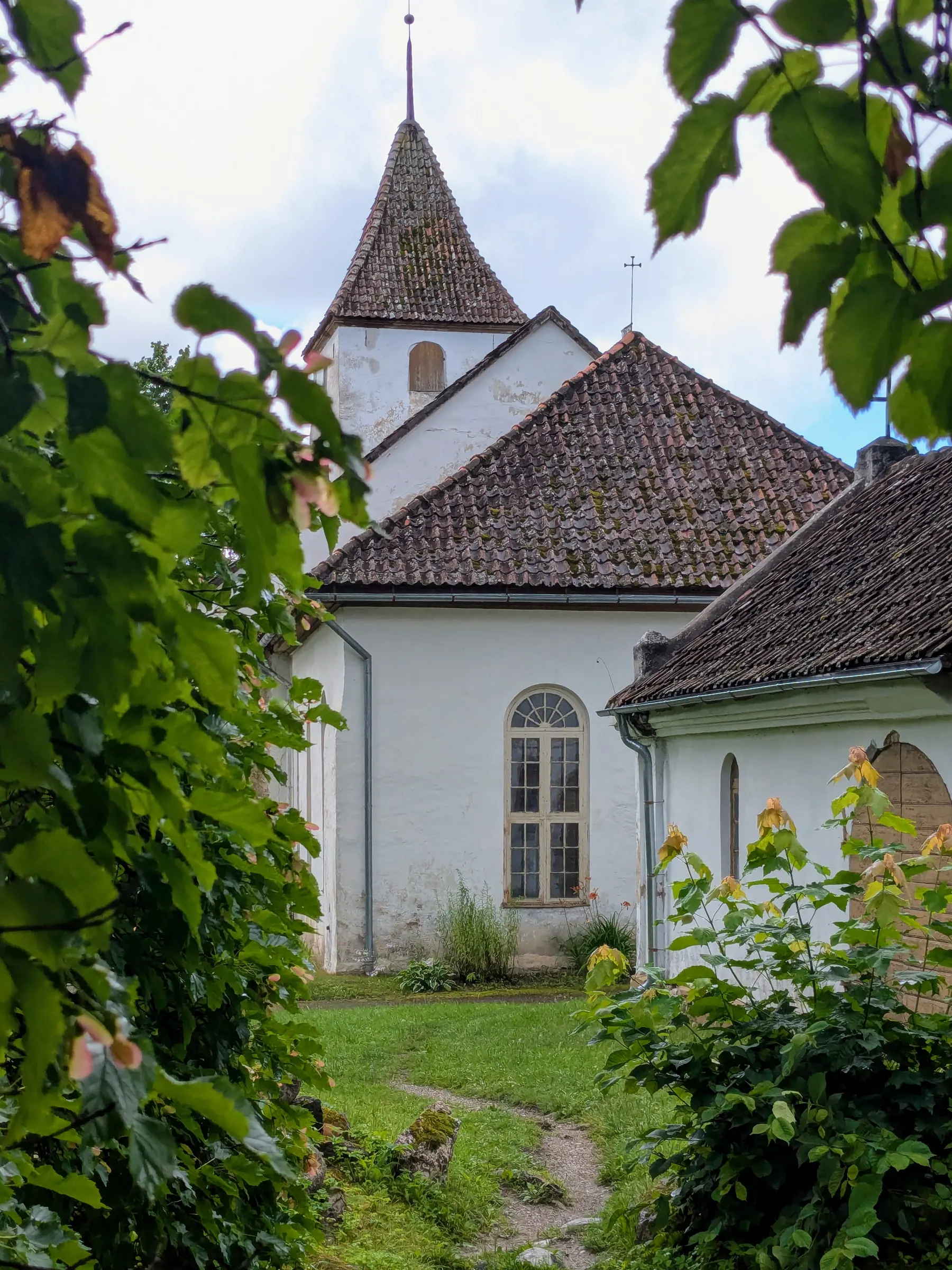
At the crossroads of Avotu and Ventspils streets, there’s a mural worth a pause - it paints a picture of Sabile itself, the town and what it’s about. Very close by is the Sabile Evangelical Lutheran Church, in a beautiful setting, and from there you can make your way up to the Sabile hillfort (Sabiles pilskalns). From the top you get a lovely view over the area - you won’t see the vineyard itself from up there, but it’s very green all around, with nice views over the valley.
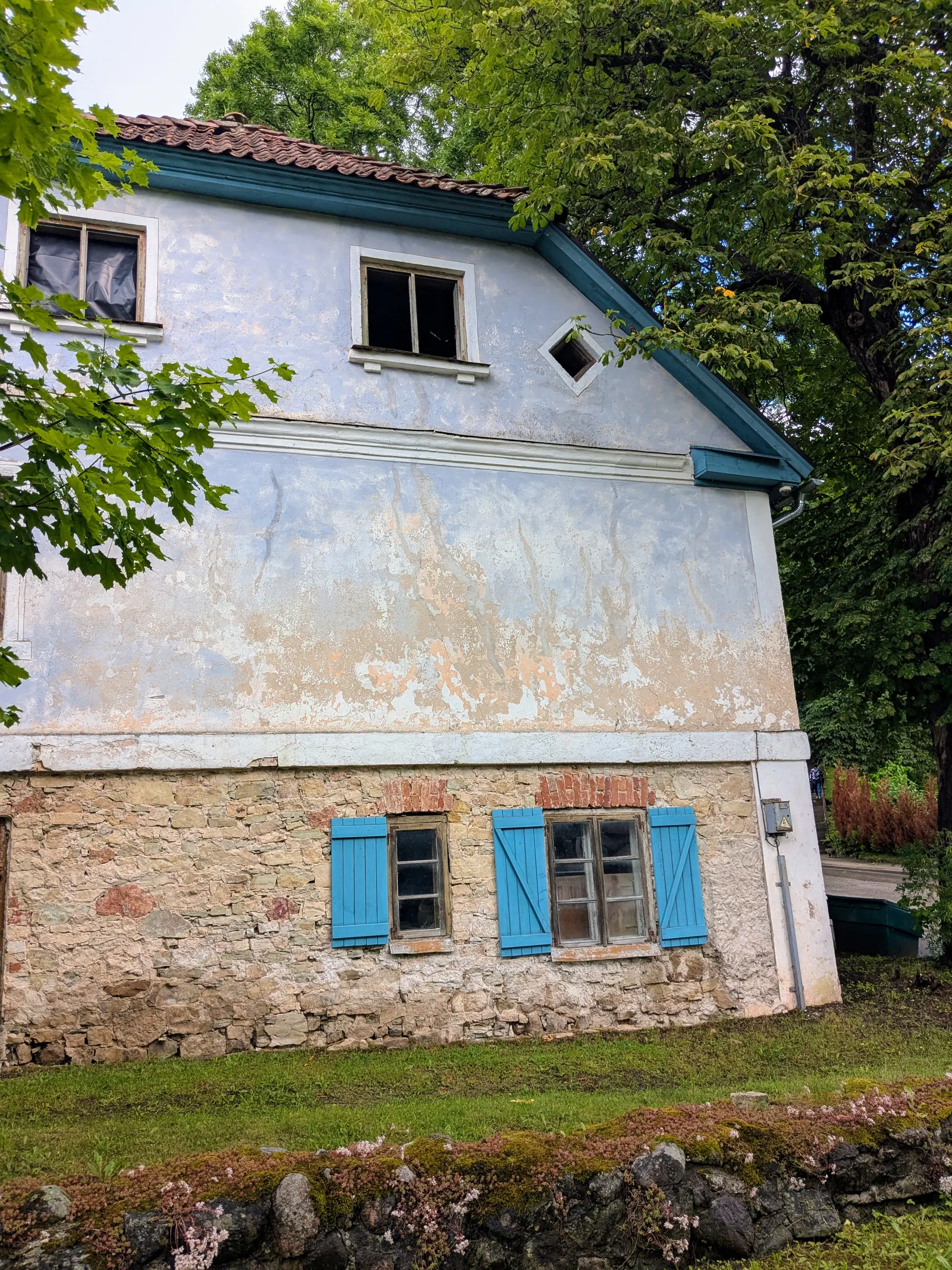
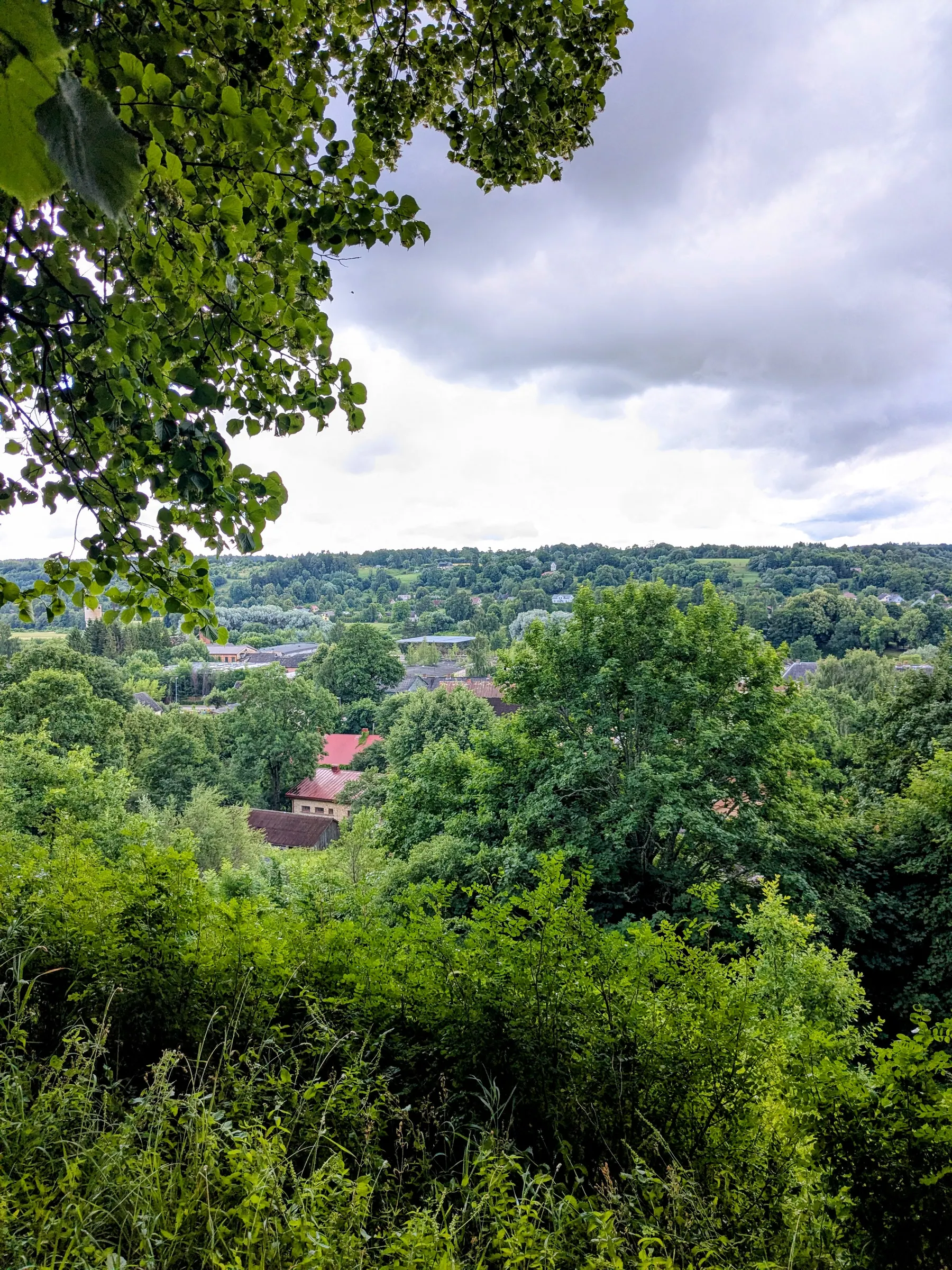
One small, personal note: for many years Sabile had a café called Zane, which of course caught my eye given the name. I was sad to find, on this last visit, that it had closed for good. Small towns lose places like that, and it’s always a little sad to see.
What else to see near Kandava and Sabile
If you have a little more time in the area, these five places are easy additions to the trip:
- Pedvāle Art Park, just outside Sabile, where sculptures and other artworks sit within the landscape of the Abava Valley.
- Abava Rumba, a low, broad waterfall on the Abava River and a lovely place for a quiet stop in nature.
- Zviedru Cepure, for walking trails through the valley, summer tobogganing and skiing in winter.
- Jaunmoku Palace, a striking hunting lodge combining Neo-Gothic and Art Nouveau details, with a museum and park to explore.
- Pūre Chocolate Museum, where you can learn how chocolate is made and, if booked in advance, join a truffle-making workshop.
So, are they worth stopping for?
Both Kandava and Sabile are worth a stop, and neither takes long - they’re short, easy breaks that make the drive west far more pleasant, whether you’re heading to Kuldīga, Liepāja or Ventspils. They’re close together, they’re in one of Latvia’s prettiest river valleys, and each has its own quiet character, so if you have the time, do both.
Planning a longer trip across the country? See our Best of Latvia Beyond Riga guide to four regional routes, covering the Gauja Valley, Ķemeri and Lake Engure, Kurzeme, and the Rundāle and Bauska area.
FAQs
Are Kandava and Sabile worth visiting?
Yes. Both are compact, distinctive towns that turn a drive across western Latvia into a more interesting day without requiring a major detour.
How long do you need in Kandava and Sabile?
Around one hour in each town is enough for a short walk and the main sights. Allow longer if you want lunch or a wine and cider tasting.
How do you get to Kandava and Sabile from Riga?
Take the A10 west towards Tukums and continue through the Abava Valley. Kandava comes first, with Sabile around half an hour farther west.
What should you see in Sabile?
Do not miss Sabile Wine Hill and the Doll Garden. The cider house, former synagogue, riverside, mural, Lutheran church and hillfort are also worthwhile.
Read next
More posts for this trip mood
 Europe
 Kurzeme, Latvia
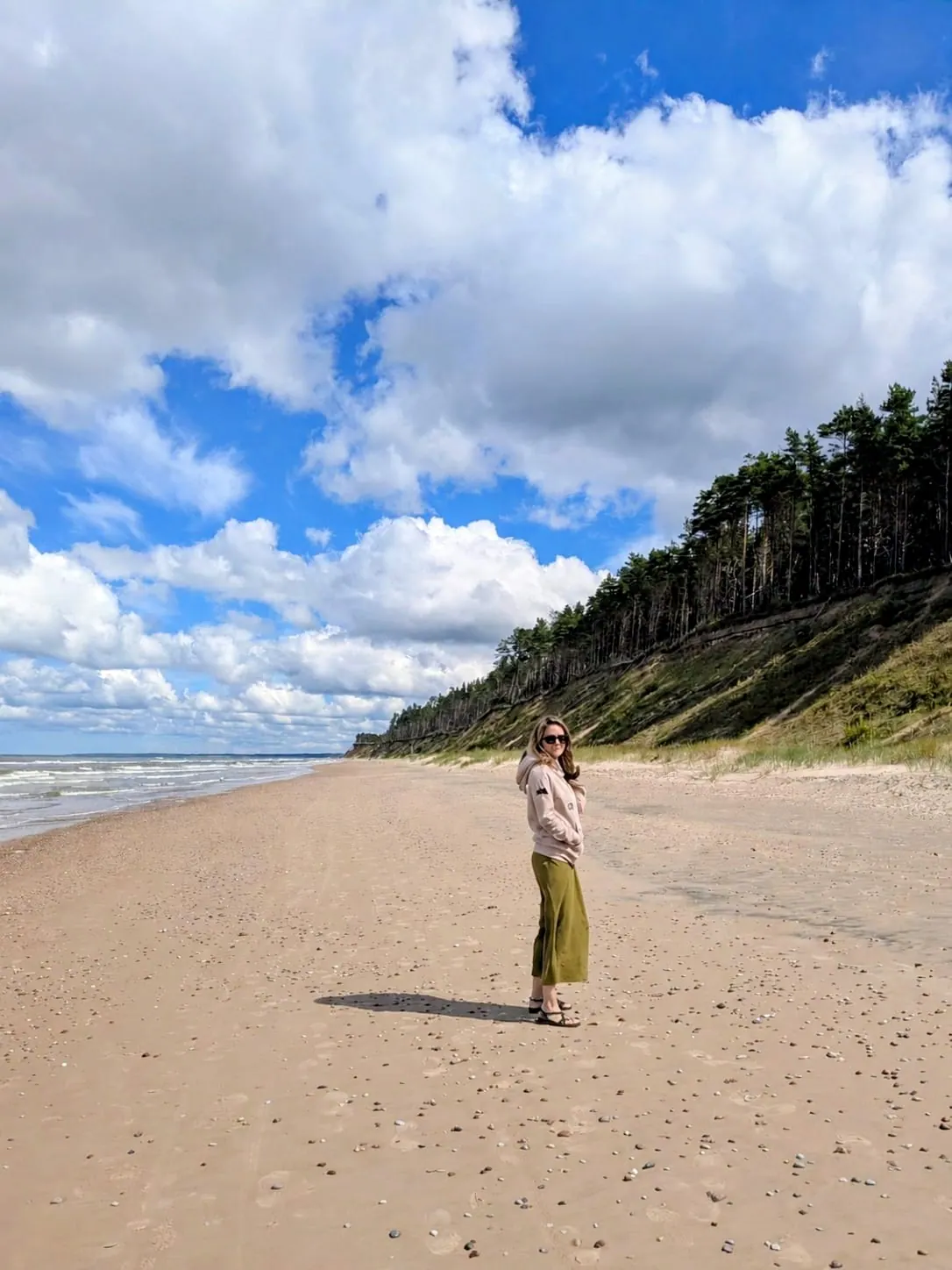
Jūrkalne and Pāvilosta: Latvia's Wildest Stretch of Coast
Between Jūrkalne's high sandy banks and the little harbour town of Pāvilosta lies one of the quietest, wildest stretches of Latvia's Baltic coast.
 Europe
 Kurzeme, Latvia
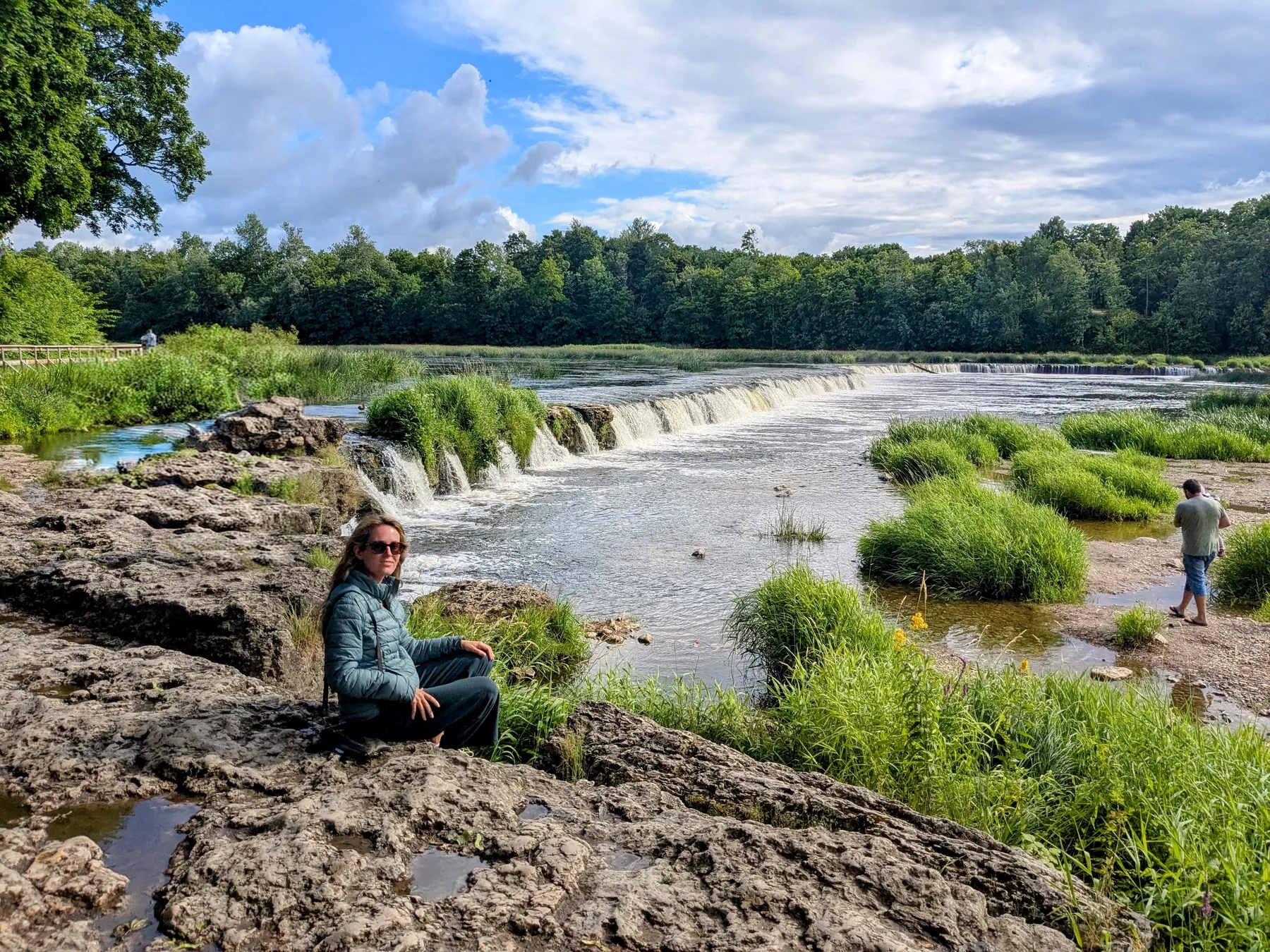
A Day in Kuldīga: Latvia's Most Charming Old Town and Europe's Widest Waterfall
A beautiful day spent between Kuldīga's old wooden streets, the Venta River and Europe's widest waterfall.
Kuldīga is a striking town, and if you happen to be in Latvia, I would say it is a must.
 Europe
 Kurzeme, Latvia
Grazing Horses, a Manor and a Barefoot Trail: A Day in the Latvian Countryside
Grazing horses, a medieval manor and a barefoot walk in one Latvian day.
A day trip from Riga to Engures Lake, Šlokenbeka Manor and Valguma Pasaule's barefoot trail, with grazing horses, nature and practical tips.