

Engures Lake · Kurzeme · Latvia
Grazing Horses, a Manor and a Barefoot Trail: A Day in the Latvian Countryside
Grazing horses, a medieval manor and a barefoot walk in one Latvian day.
A day trip from Riga to Engures Lake, Šlokenbeka Manor and Valguma Pasaule's barefoot trail, with grazing horses, nature and practical tips.
Quick facts
- Best for
- Wildlife, quiet wetlands, birdwatching, Latvian manor history and a distinctive nature day trip.
- Time needed
- A full day for Lake Engure, Šlokenbeka Manor and Valguma Pasaule's barefoot trail.
- Getting there
- By car from Riga; the first stop is roughly an hour west, and the day's stops are spread out.
- Good to know
- Lake Engure is free, while the barefoot trail is seasonal and costs €10 for both trails.
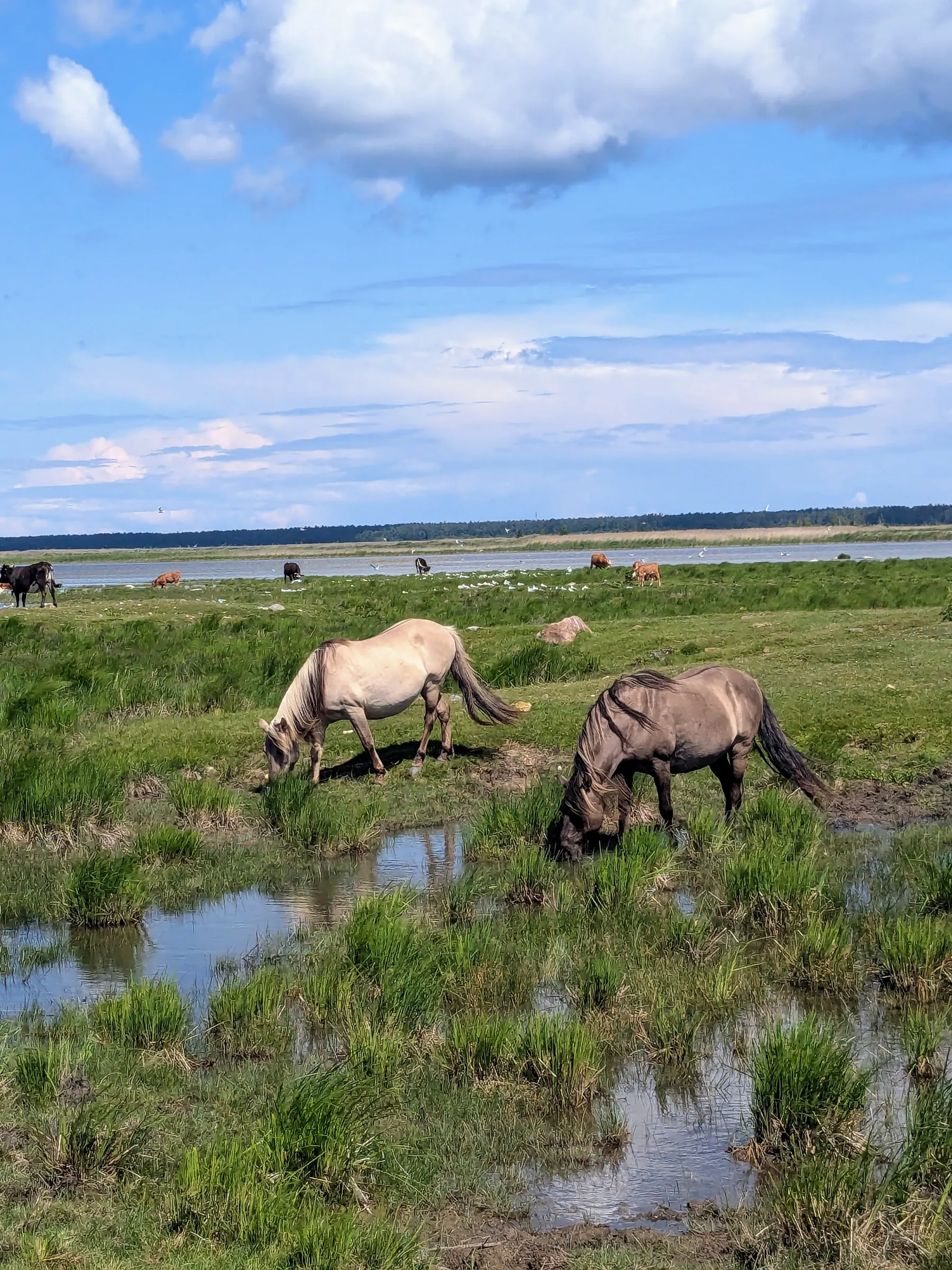
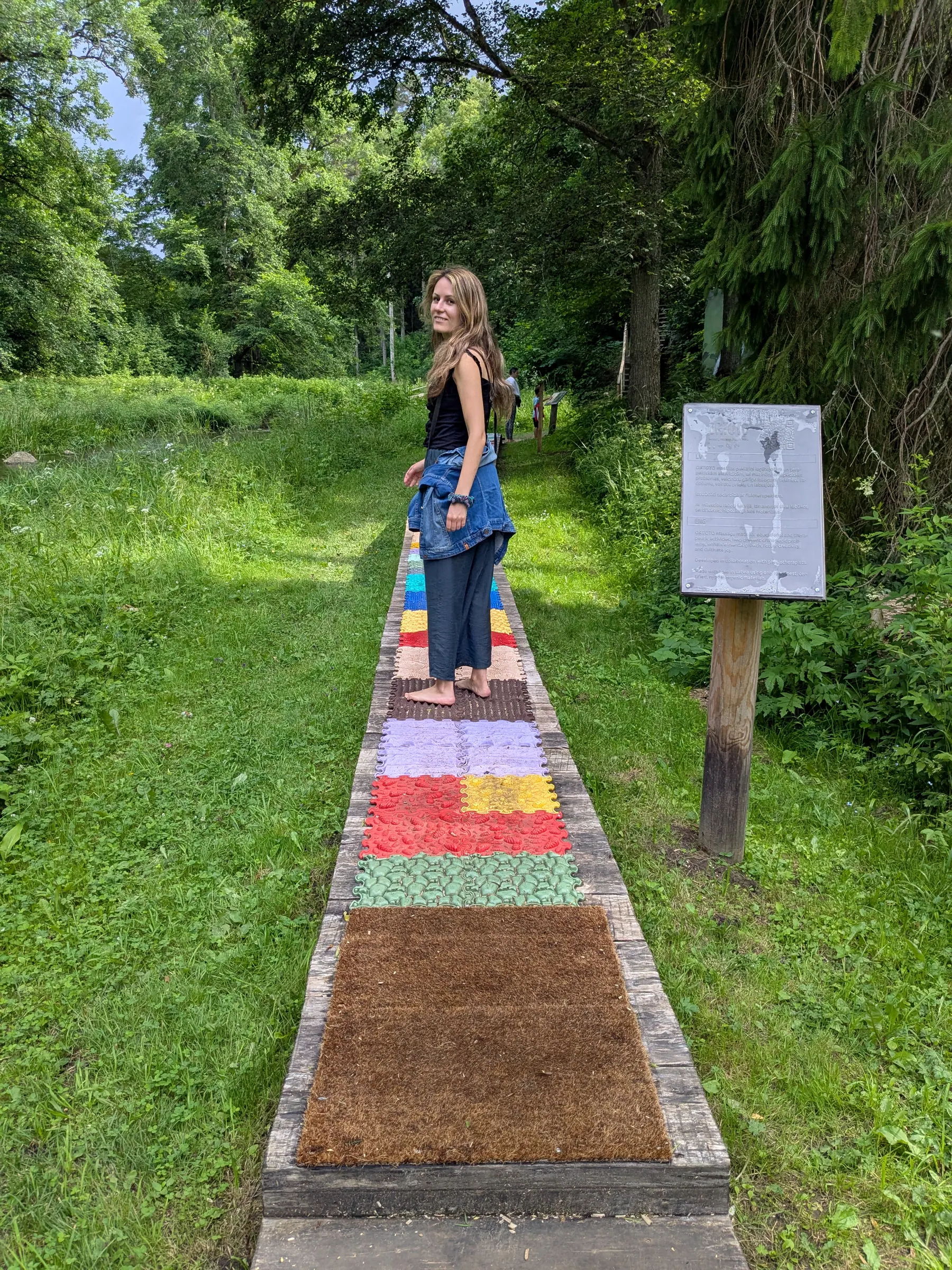
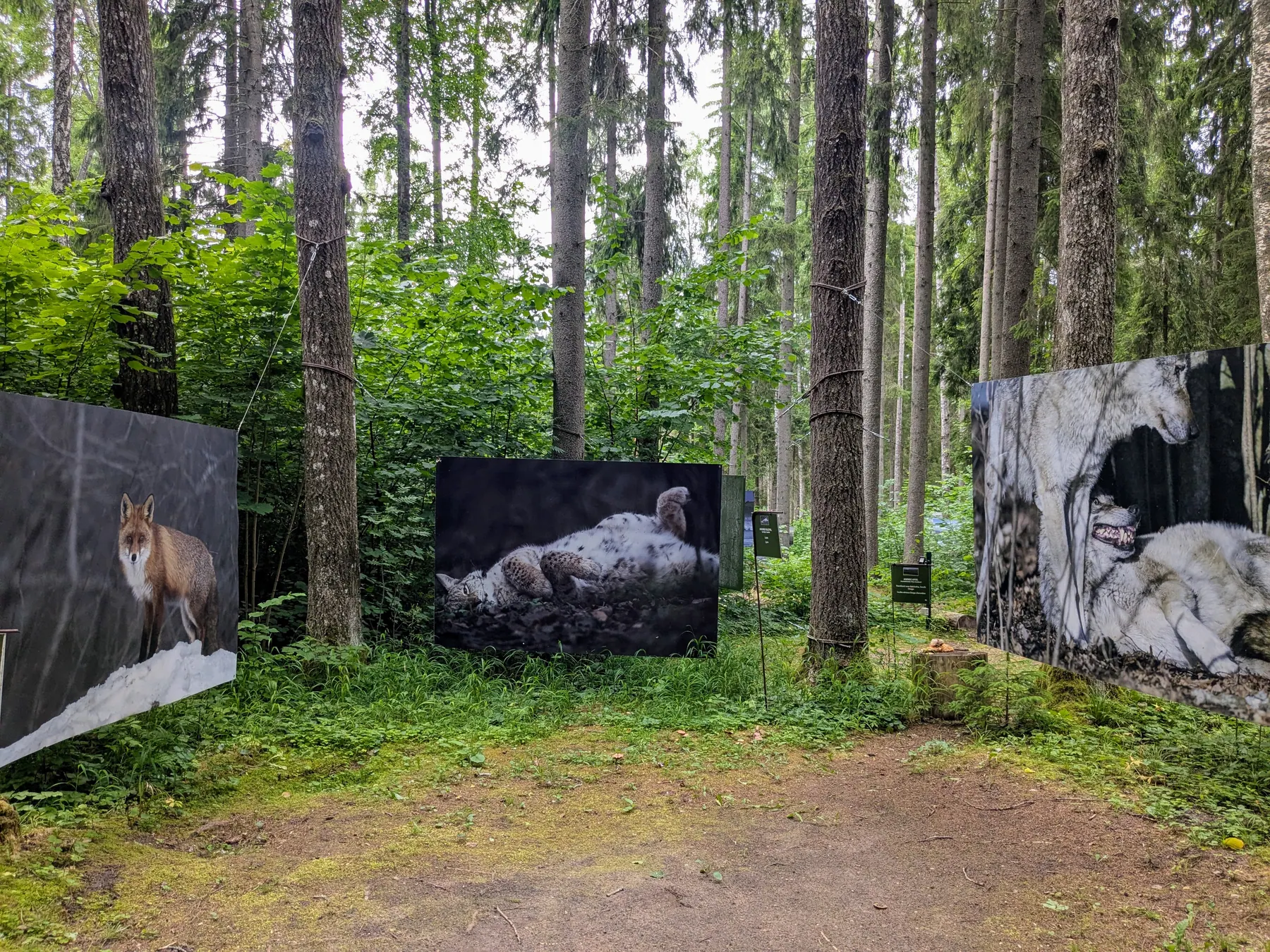
We set aside a day to explore the Latvian countryside, roughly an hour's drive west of Riga, and the plan was built around three stops: Lake Engure nature park, which had been on my list to visit for a while, a quick look at something around Tukums, and then the barefoot trail - a walk in nature I had done some years ago and enjoyed so much that I wanted to go back. Nature, history, and a barefoot walk over all kinds of surfaces, all in a single day.
You need a car for this. The stops are spread out, and no bus is going to link a lake full of horses, a medieval manor and a barefoot trail for you. But that is part of the appeal: it's an easy, relaxed drive, and the area gives you far more than one day can hold.
Lake Engure: grazing horses and birds
Lake Engure (Engures ezers) is the largest coastal lake in Latvia, and its nature park is one of those rare places where you can be close to wild animals without any of the zoo feeling. That is what I’d come for. Of course, it all happens in nature, so seeing the horses and cows up close is never guaranteed - but the chances are quite high.
The park is a protected area - it was set up as an ornithological reserve back in 1957, one of the oldest in the country, and later became a nature park. That protection is the whole reason the place feels the way it does: the meadows are grazed and kept open on purpose, the birdlife is looked after, and it stays wild instead of being tidied into a tourist attraction. It’s a good, quiet example of nature travel done gently - you are a visitor in a working ecosystem, not a customer at an attraction.
Getting to the main spot is simple. You park at the entrance - the park is free - and walk straight along the path until you reach the bird-watching tower, which is where the horses and cows tend to gather in the surrounding meadows. You honestly can’t miss it.
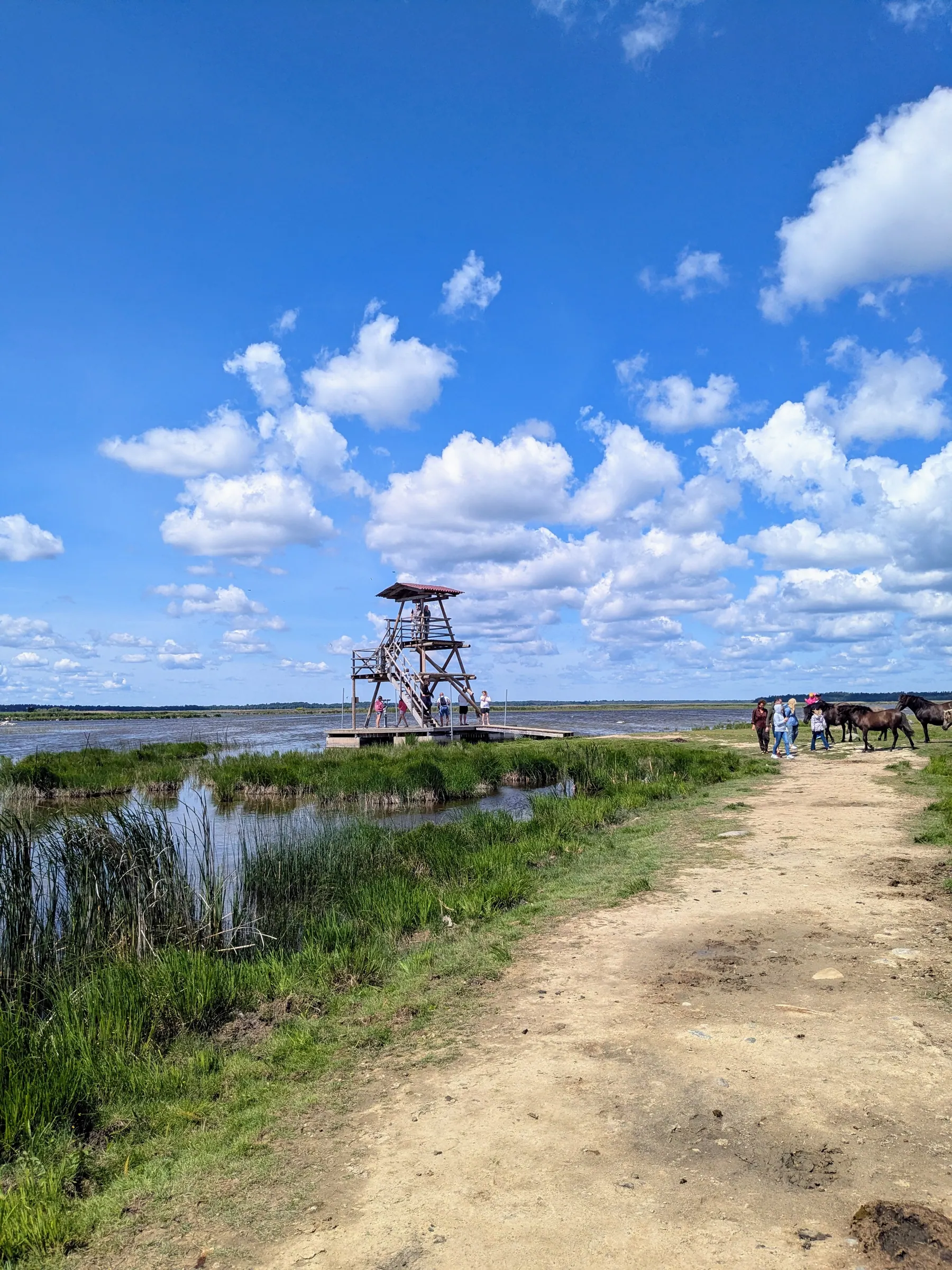
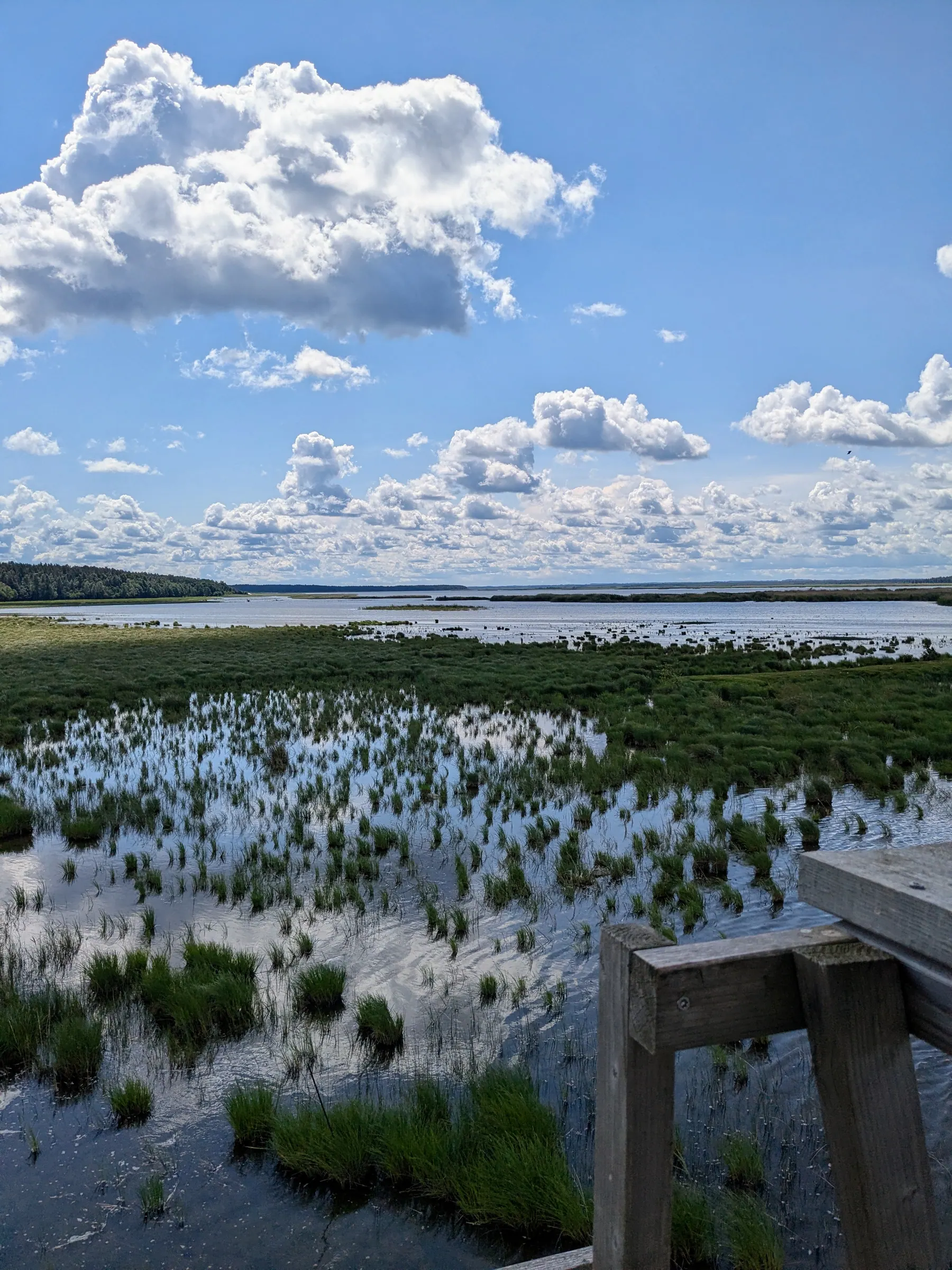
We arrived at 12:00, and within half an hour a lot of other people arrived too, so midday is clearly the popular slot. If you want the place quieter, come earlier.
At first we saw the horses and cows in the distance. But as we walked closer and explored a little, the grazing horses started coming towards us. These are domestic horses adapted to life in the wild. They are used to people, and probably even more used to the carrots people bring them. We had nothing to offer, which they worked out fairly quickly, and they came over anyway, curious and friendly. One important thing, though: let the animals come to you, and don’t go chasing them. This is their home, not a petting zoo.
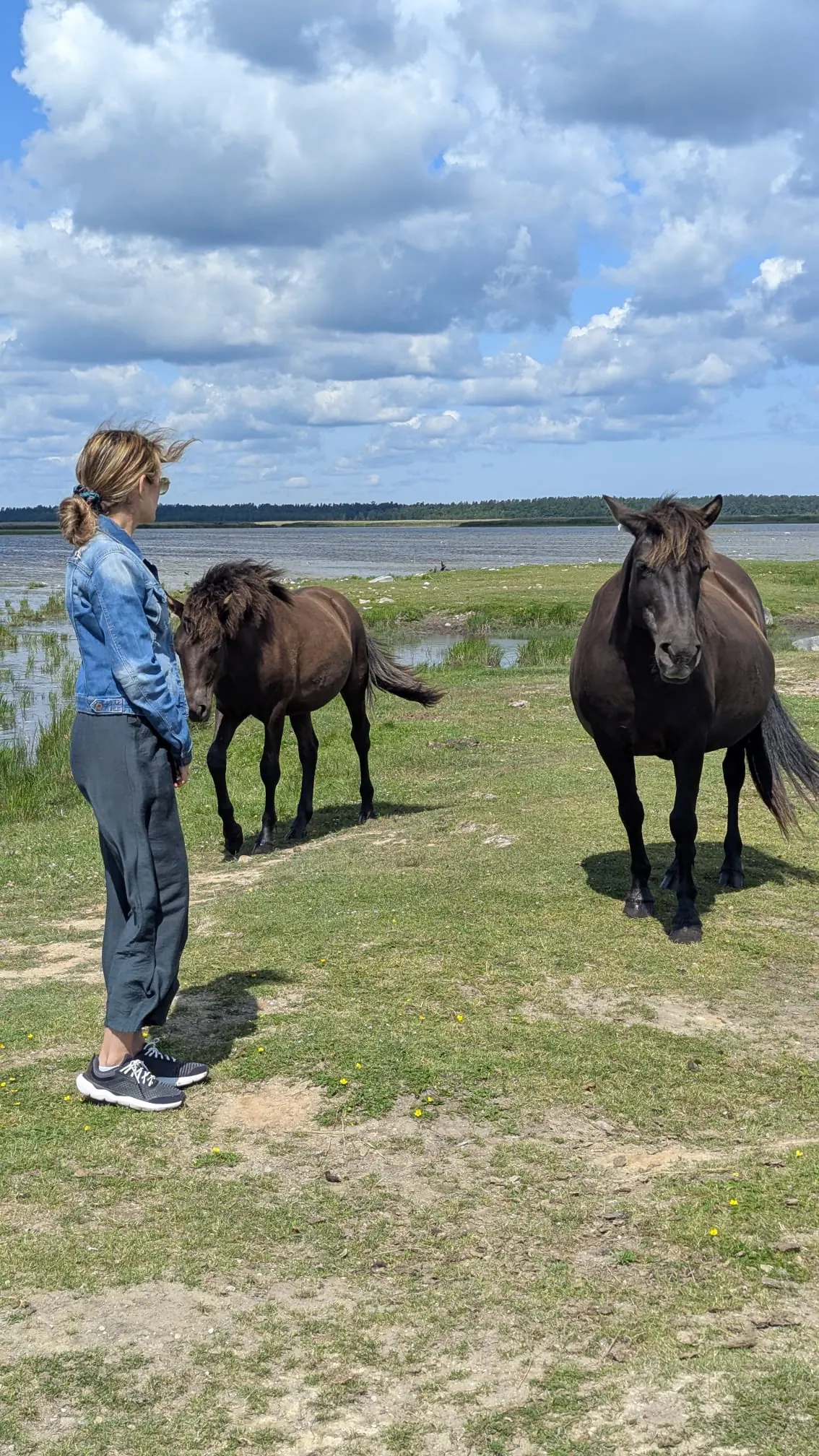
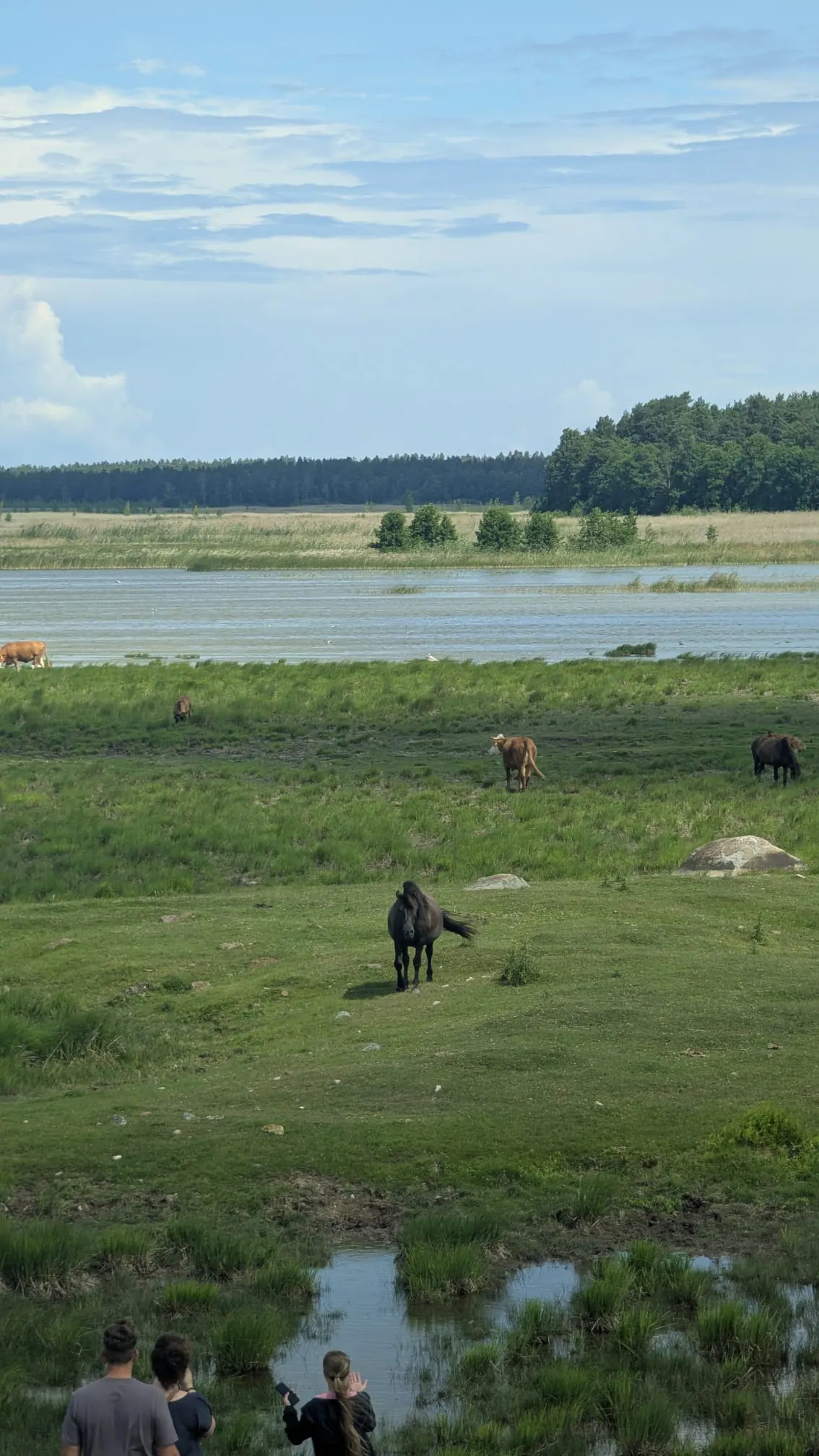
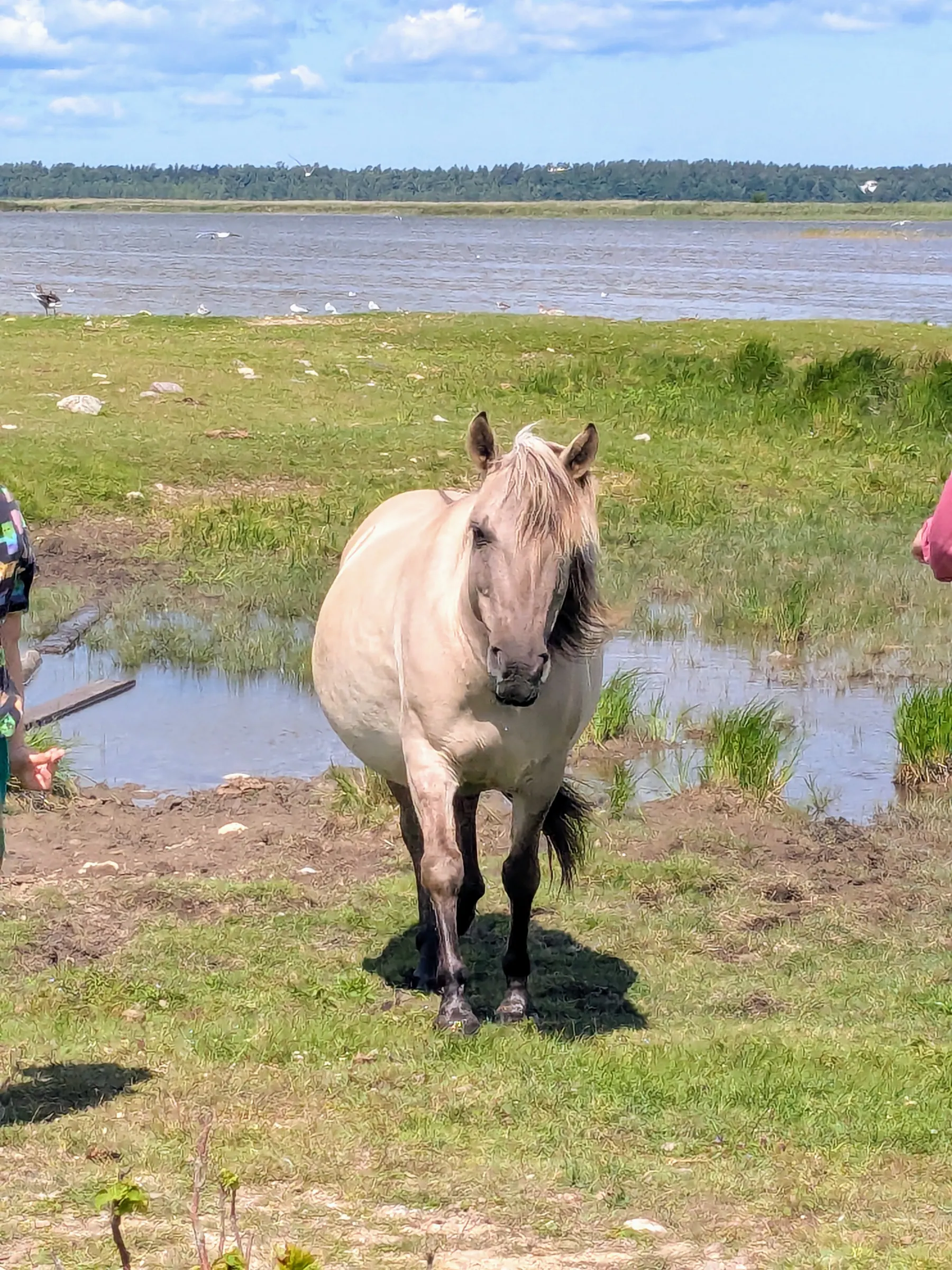
The horses here are Konik horses, a hardy old breed, and the cows are a mix of rugged types kept to graze and maintain the meadows. Standing among them, with the wetland stretching out and birds calling constantly all around, is beautiful. The park is a serious birdwatching site too - over 180 bird species nest here, including some that are endangered worldwide - so if you bring binoculars and climb the tower, you’ll get even more out of it.
It was mostly families with kids when we visited, which makes sense - children and animals belong together. We spent about an hour and a half in total, including the walk to the tower and back. What stayed with me was the calmness, and being close to wild animals in real wilderness rather than an enclosure. That’s a rare thing now, and it’s the kind of place that rewards slowing down - standing still, watching, letting the horses decide whether to come to you rather than rushing to the next thing.
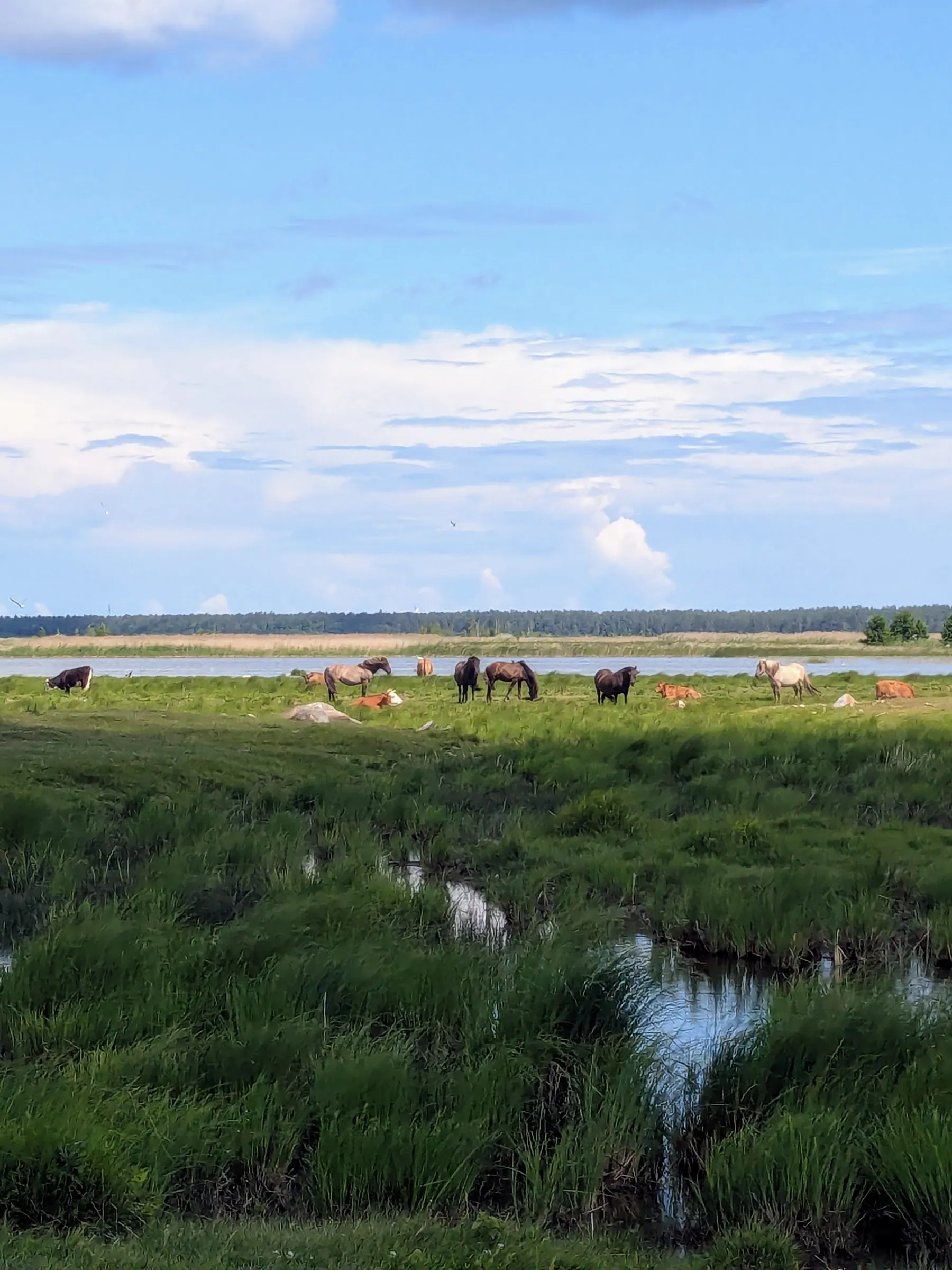
A couple of things we didn’t do, but that are worth knowing about: there’s a marked cycling route around the area (Engure - Bērzciems - Mērsrags - Ķūļciems - Ezermuiža - Engure) for anyone wanting a more active day, and the Orchid Trail (Orhideju taka), a 3.5 km path where a large share of Latvia’s wild orchid species grow. The orchids bloom from late June into early July, so if you time it right the trail is well worth walking to see them. We were there at the start of July but didn’t follow the full path to look for them, so I can’t tell you first-hand - but by all accounts it’s worth it in season.
Šlokenbeka Manor and the road museum
By the time we left the lake we were hungry, but there was more to see. We stopped at Šlokenbeka Manor (Šlokenbekas muiža), and it ended up being the part of the day we least expected to enjoy so much.
Šlokenbeka is special for one clear reason: it’s the only fortified medieval manor left standing in Latvia. Building began in the 1480s, and you can still see the old stone walls and the arrow-slits built for defence. Today the complex holds a restaurant, a small hotel and a culture centre.
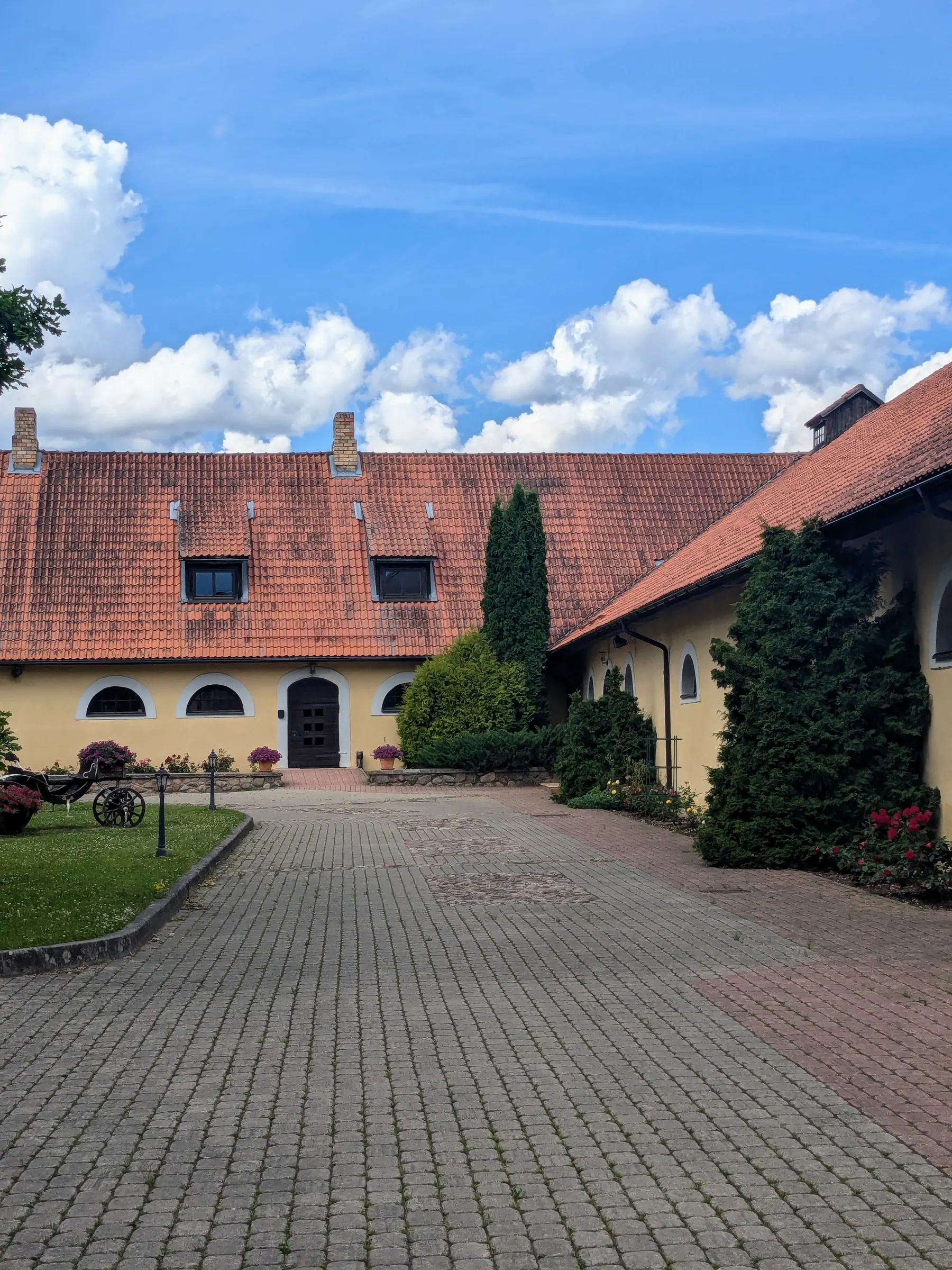
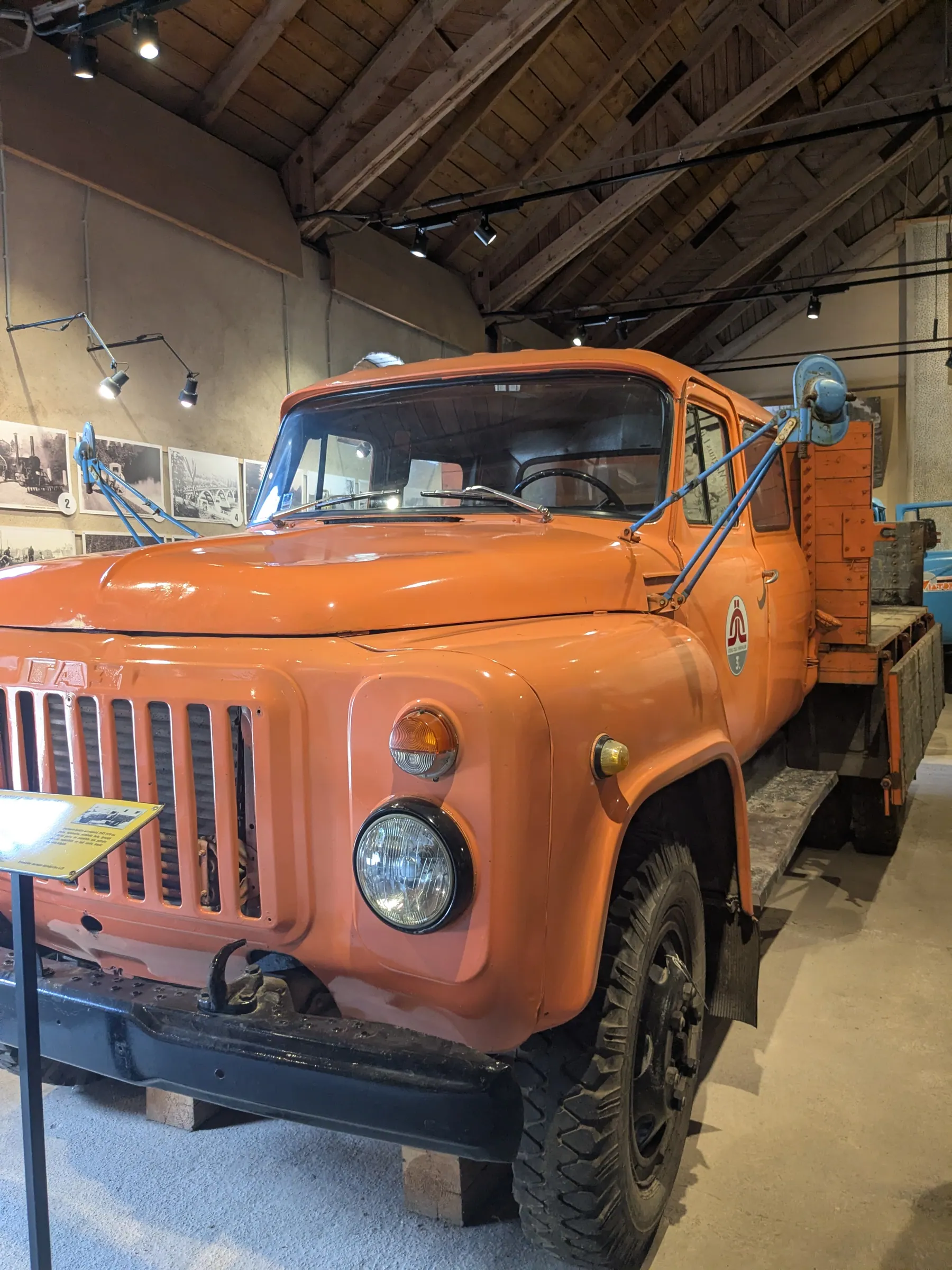
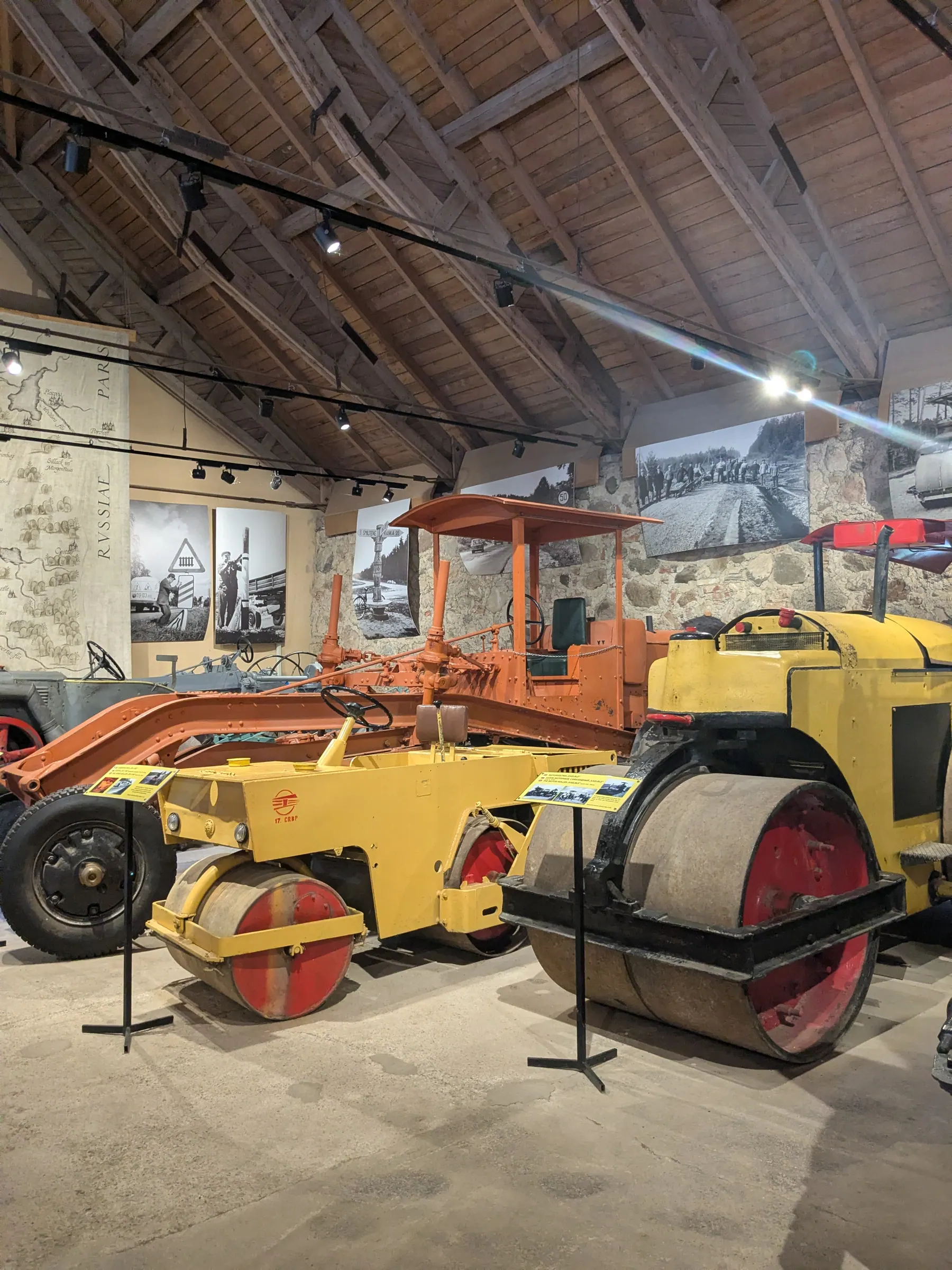
What we didn’t expect was the Latvian Road Museum inside. It won us over: a large collection of historic cars and road-building machinery, plus exhibits on how roads in Latvia developed over the centuries. It’s said to be one of the biggest road museums of its kind, and whether or not that’s exactly true, it’s far bigger and more interesting than you’d guess from the outside. Best of all, it was free.
We only had time for a quick look, which I regretted almost immediately. My honest advice: give the museum at least an hour, more if you can. Do not do what we did and treat it as a five-minute stop.
Baskāju taka: the barefoot trail
Then came the part of the day I’d most been looking forward to: the barefoot trail at Valguma Pasaule (Baskāju taka). I’d walked it years ago and enjoyed it so much that I wanted to come back.
Curious to learn more? Read the full barefoot trail article here.
The idea is simple and, honestly, clever. You take off your shoes and walk a maintained trail - around 2.6 km - made of constantly changing surfaces: pebbles, sand, mud, peat, wood, cones, and more. Because the ground keeps changing, you are never bored, and some sections do a good deal more than tickle - they press and massage your feet, and one or two remind you that you have gone soft from a lifetime of shoes. There are boards explaining each material, and one on foot reflexology, mapping which part of the foot connects to which part of your wellbeing.
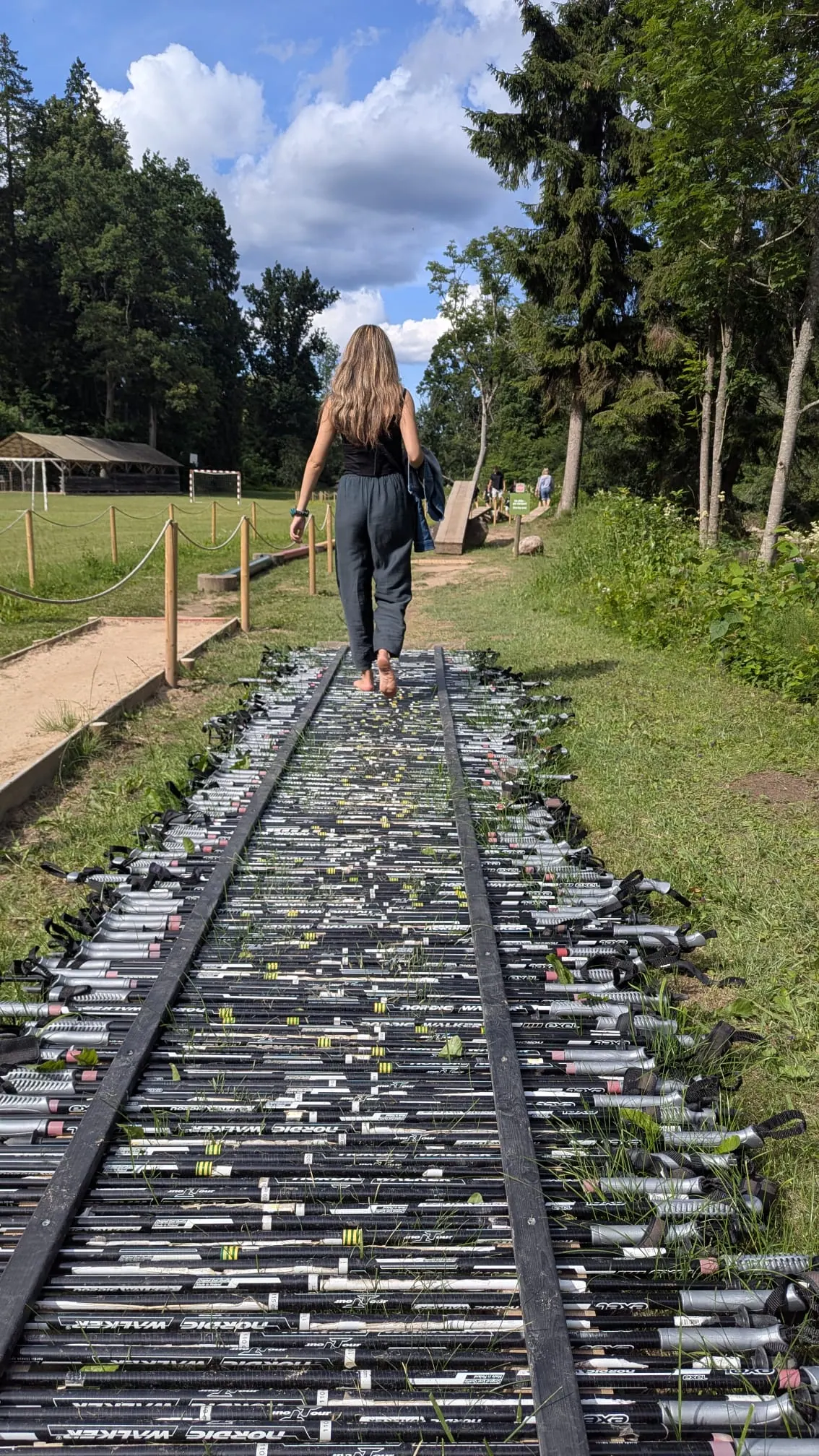
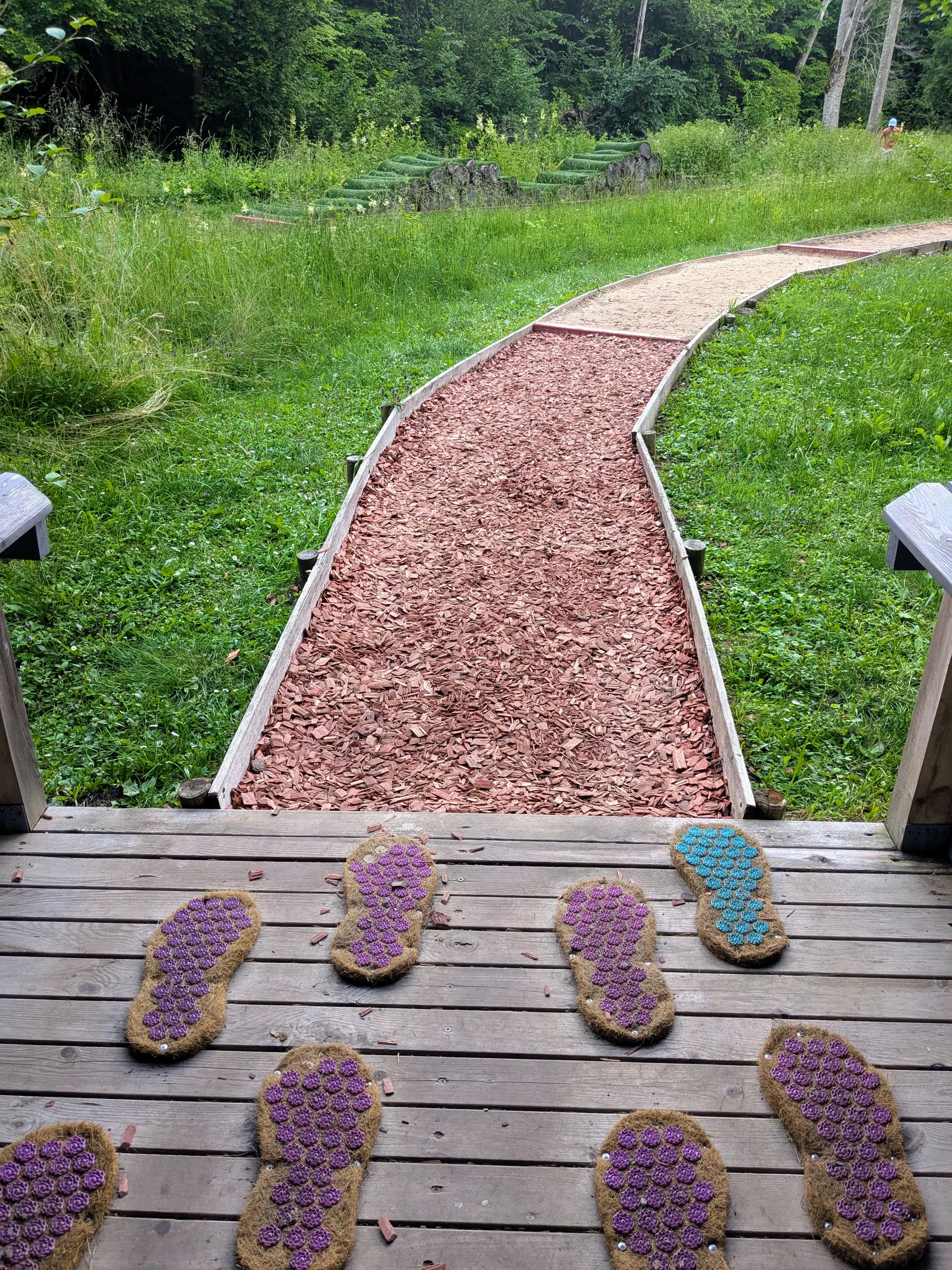
It’s the kind of activity that connects you to nature not only visually but through your senses, and that’s exactly why it suits Latvia so well. It’s slow travel in the most literal sense - you physically cannot rush it - and it’s about as low-impact and nature-based as a paid attraction gets, which is the kind of green, gentle tourism the country does well. I’d tell anyone to try it, and with kids it’s even better, since they need no convincing to walk through mud on purpose.
One practical thing to know: the barefoot trail is seasonal. It only opens in the warmer months - roughly late spring through early autumn - for the obvious reason that walking barefoot over frozen Latvian ground is not a wellness experience. Check before you go, especially at the edges of the season.
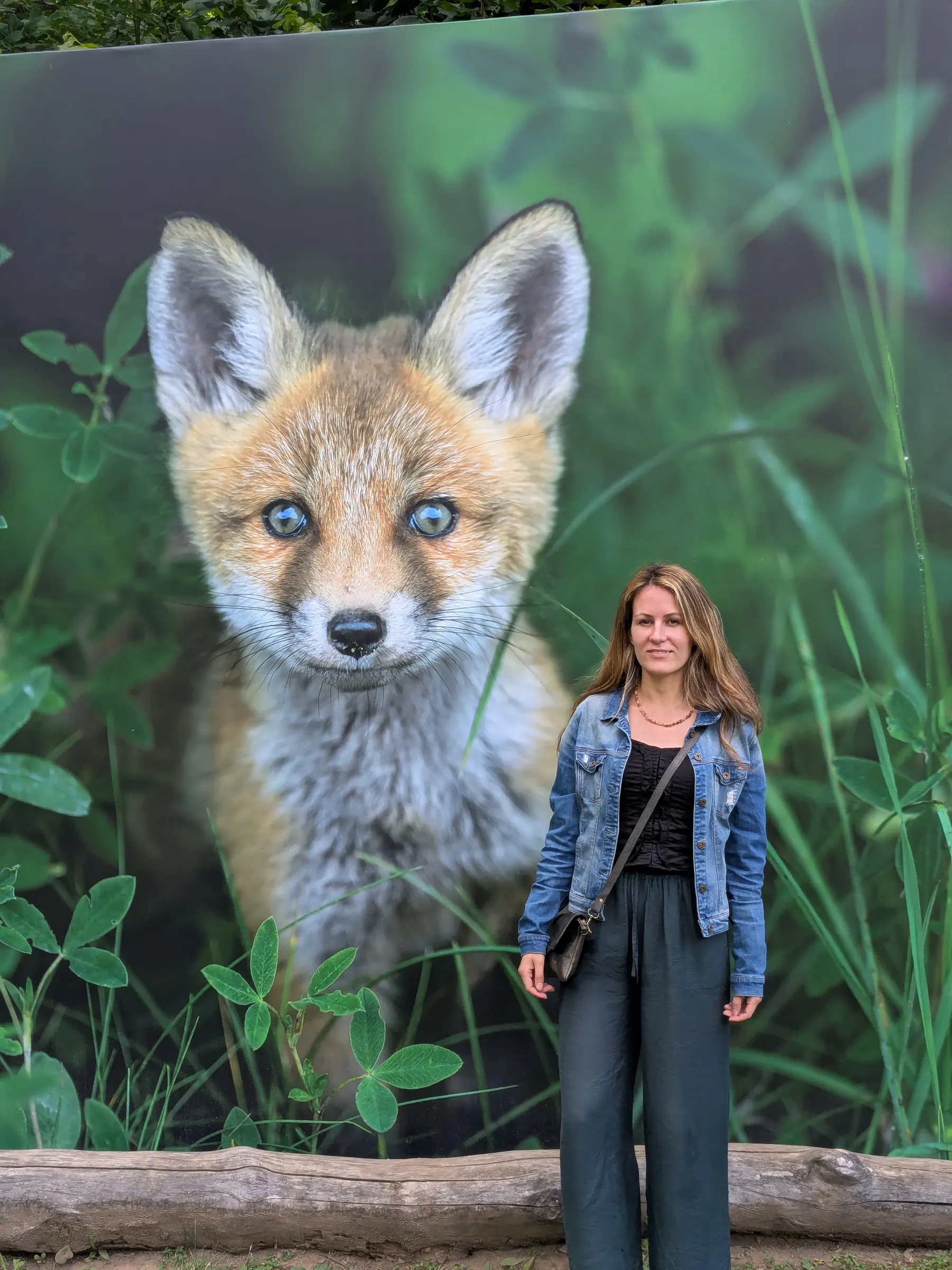
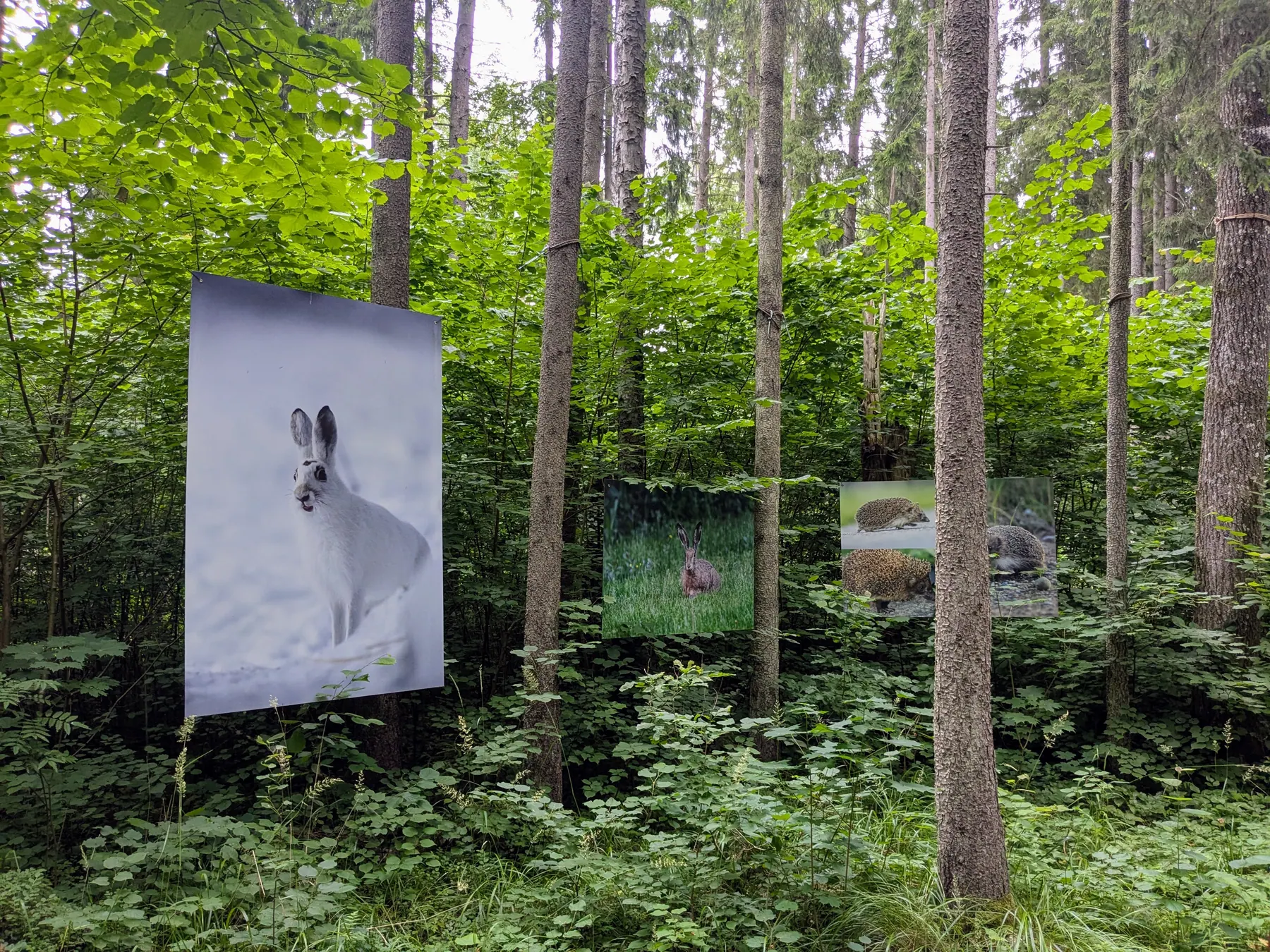
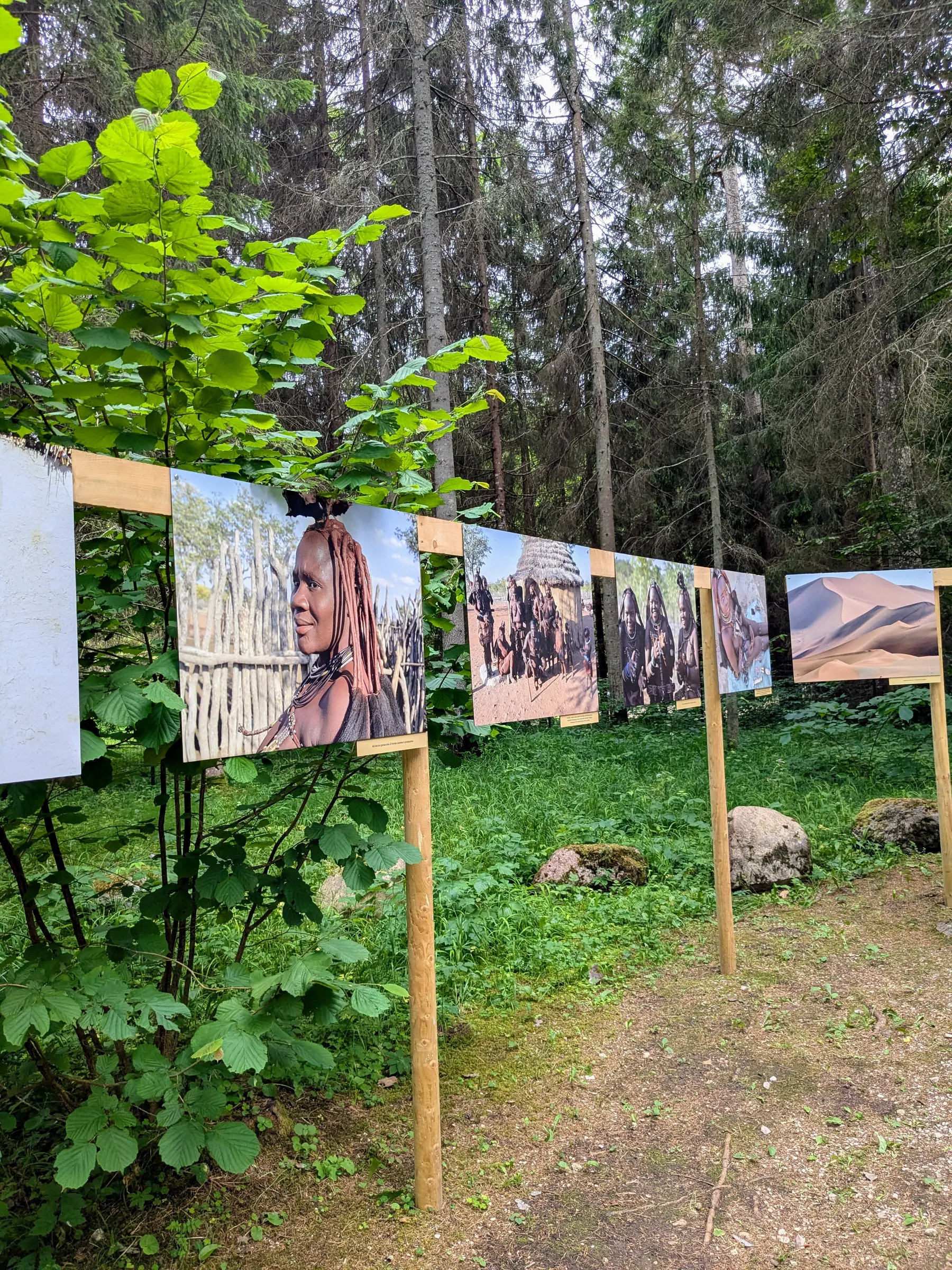
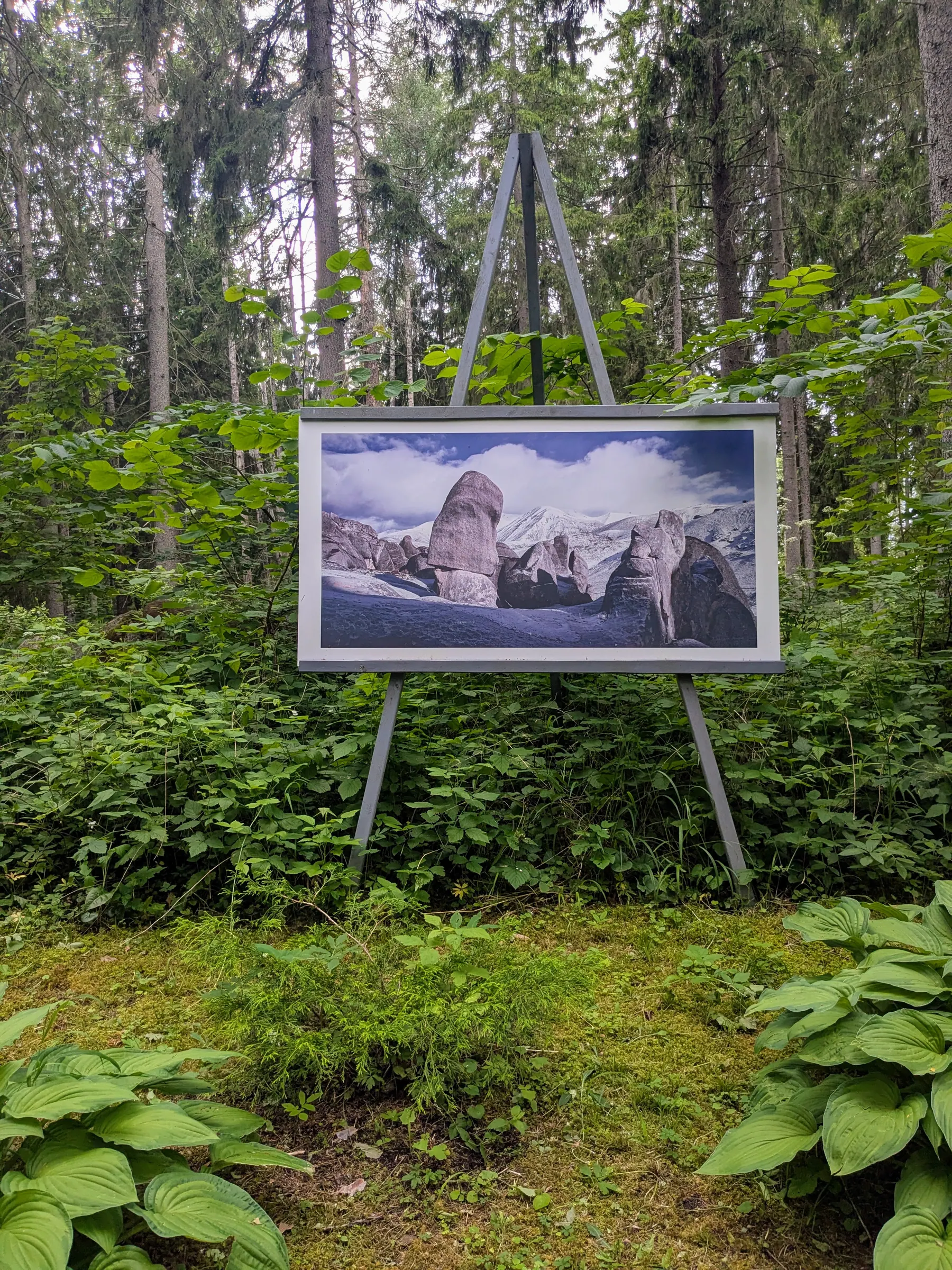
But the barefoot trail wasn’t even all of it. The same ticket includes an art path through the Valguma Pasaule grounds, and it was a lovely surprise - a bit overlooked, which is a shame. There are optical and visual installations, things for kids, and best of all a photography exhibition hung among the trees, with images shot in Latvia with photography of latvian animals, New Zealand and Africa. Seeing those contrasts out in real forest gave the photos more weight than any white gallery wall would. We came in the evening and nearly had the whole thing to ourselves, while a steady stream of people walked straight past the entrance without going in. I don’t know what they were saving themselves for. Don’t skip it. The park entrance was €10, and it includes both trails.
Did you know?
- The Orchid Trail is unusually rich. It is home to 22 of Latvia's 32 wild orchid species, which is a lot of variety for one short walk.
- Šlokenbeka Manor has a 400-year-old cellar. It is still used for wine tastings featuring producers from the Kurzeme region.
- One of the forest photographers was born nearby. Andris Apse, whose large-format landscapes are displayed at Valguma Pasaule, was born a few kilometres away before building his career in New Zealand.
Other places to combine nearby
If you have more time for the day or the trip, the area has plenty more:
Ķemeri National Park - the barefoot trail sits right on its edge, and the park’s famous Great Ķemeri Bog Boardwalk (with a sunrise-worthy view tower) is one of the best short nature walks in Latvia.
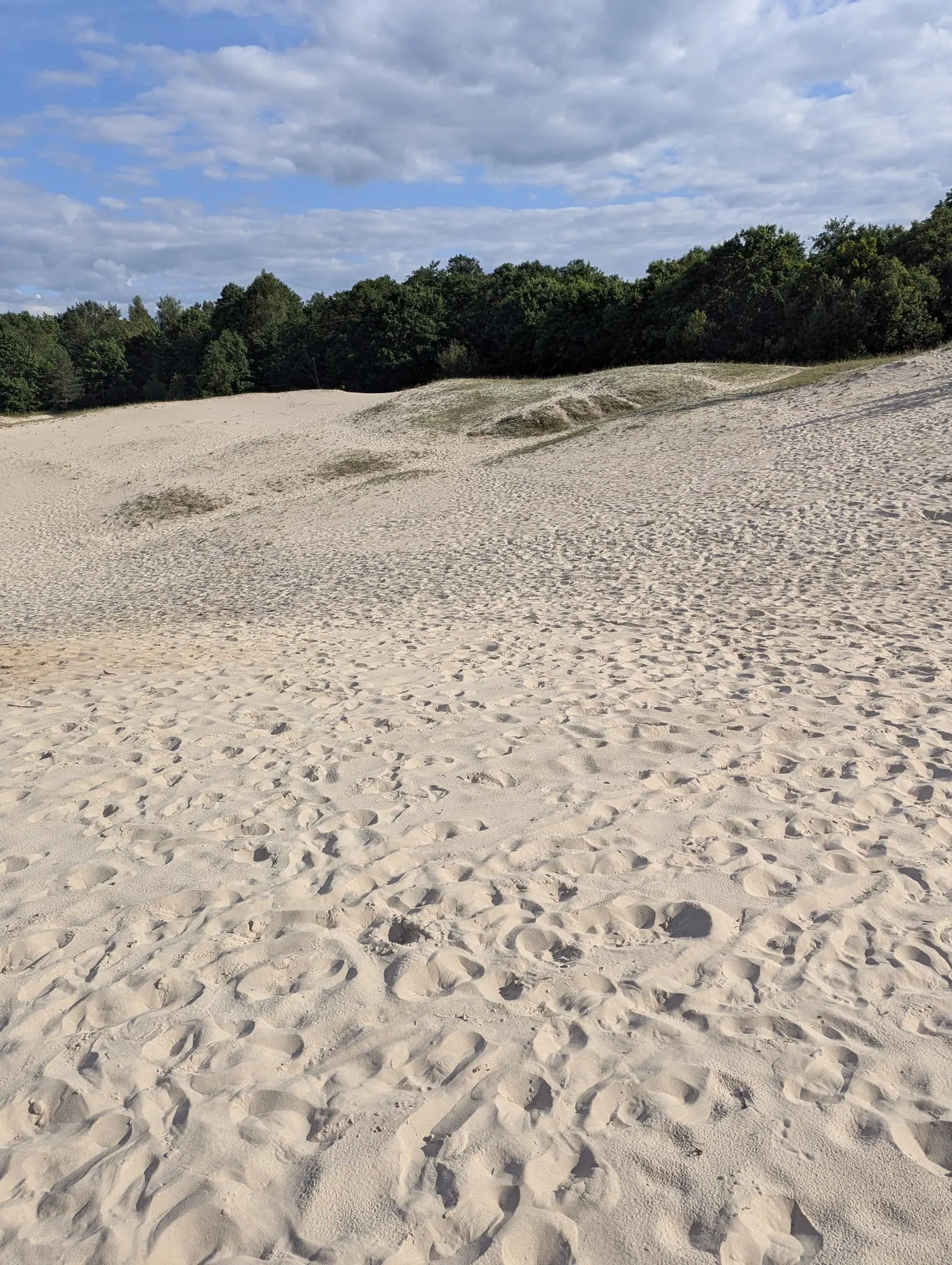
The Tukums coast - the region runs down to the sea, with easy stops like Plieņciems, Apšuciems and the Engure seaside. One highlight is Plieņciema Baltā kāpa (the White Dune), a protected 3.5 km stretch of high, forest-backed dune with an easy nature trail and a quiet beach. I was there on a separate trip rather than this one, but it’s a simple add if you start early or stay nearby.
Jaunmoku Palace - a neo-Gothic castle near Tukums, if you want more manor history.
Tukums old town - a small, walkable historic centre if you’d like a town stop.
Worth it?
Very much so. This is the kind of day that shows Latvia at its best - a day where you stand among grazing horses, walk through the only fortified manor in the country, and finish by feeling the forest under your bare feet. Three completely different experiences, an hour from Riga, and none of them crowded.
If you like nature that you can actually be in rather than just look at, this is the kind of day Latvia does better than almost anywhere.
Planning a longer trip across the country? See our Best of Latvia Beyond Riga guide to four regional routes, covering the Gauja Valley, Ķemeri and Lake Engure, Kurzeme, and the Rundāle and Bauska area.
FAQs
Is Lake Engure worth visiting?
Yes, especially if you like quiet nature, grazing horses and birdwatching rather than polished attractions. It also combines well with Šlokenbeka Manor and Valguma Pasaule.
Can you visit Lake Engure and the barefoot trail without a car?
It would be difficult. The lake, manor and barefoot trail are spread out, so a car is the easiest and most flexible way to visit them in one day.
Is the barefoot trail open all year?
No. It is seasonal and normally opens from late spring through early autumn, so check the current opening dates before you go.
Are the grazing horses guaranteed at Lake Engure?
No, they are free-ranging animals, but the chances are good. Walk to the bird-watching tower and let the horses come to you rather than chasing them.
Read next
More posts for this trip mood
 Europe
 Kurzeme, Latvia
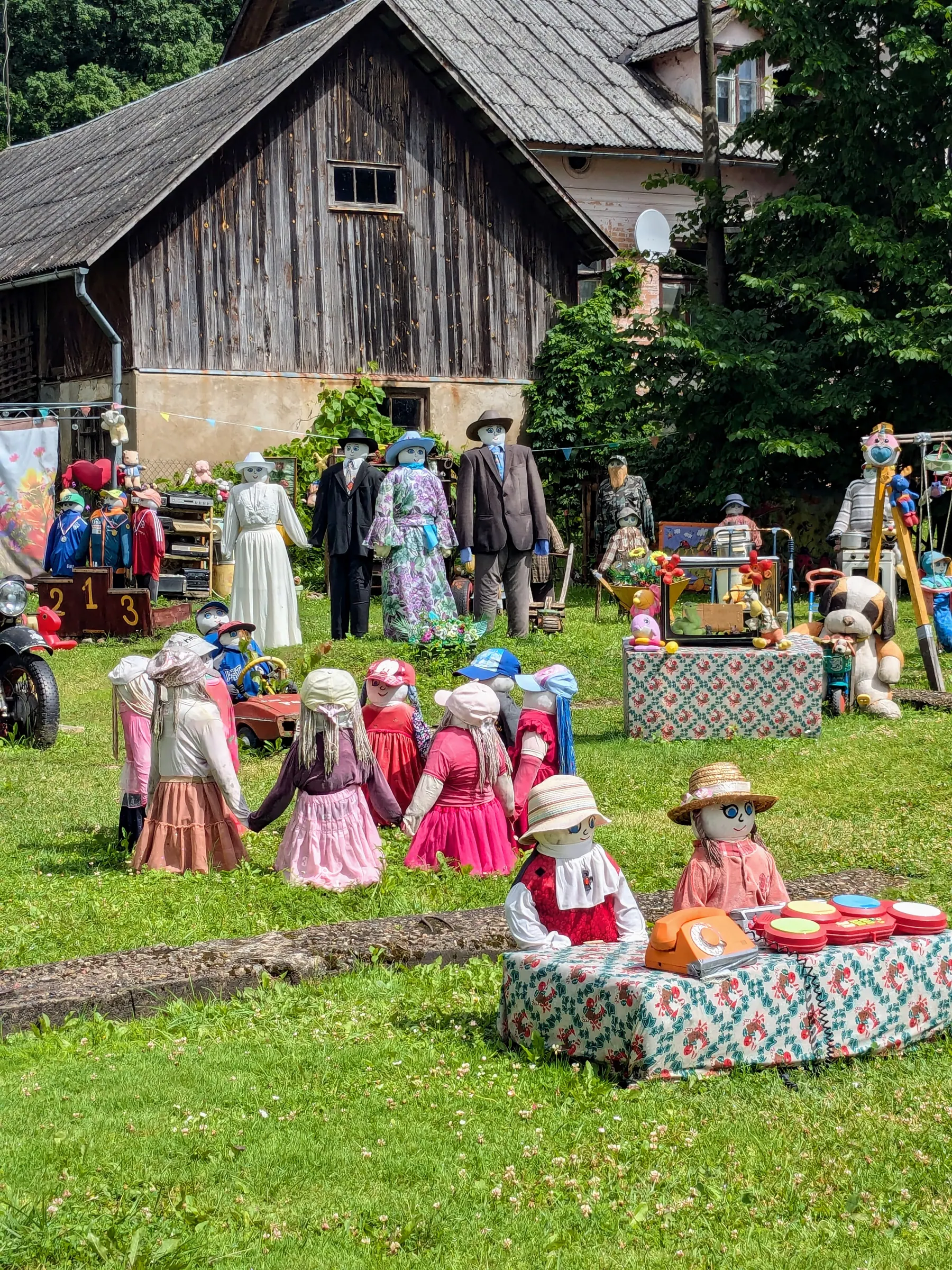
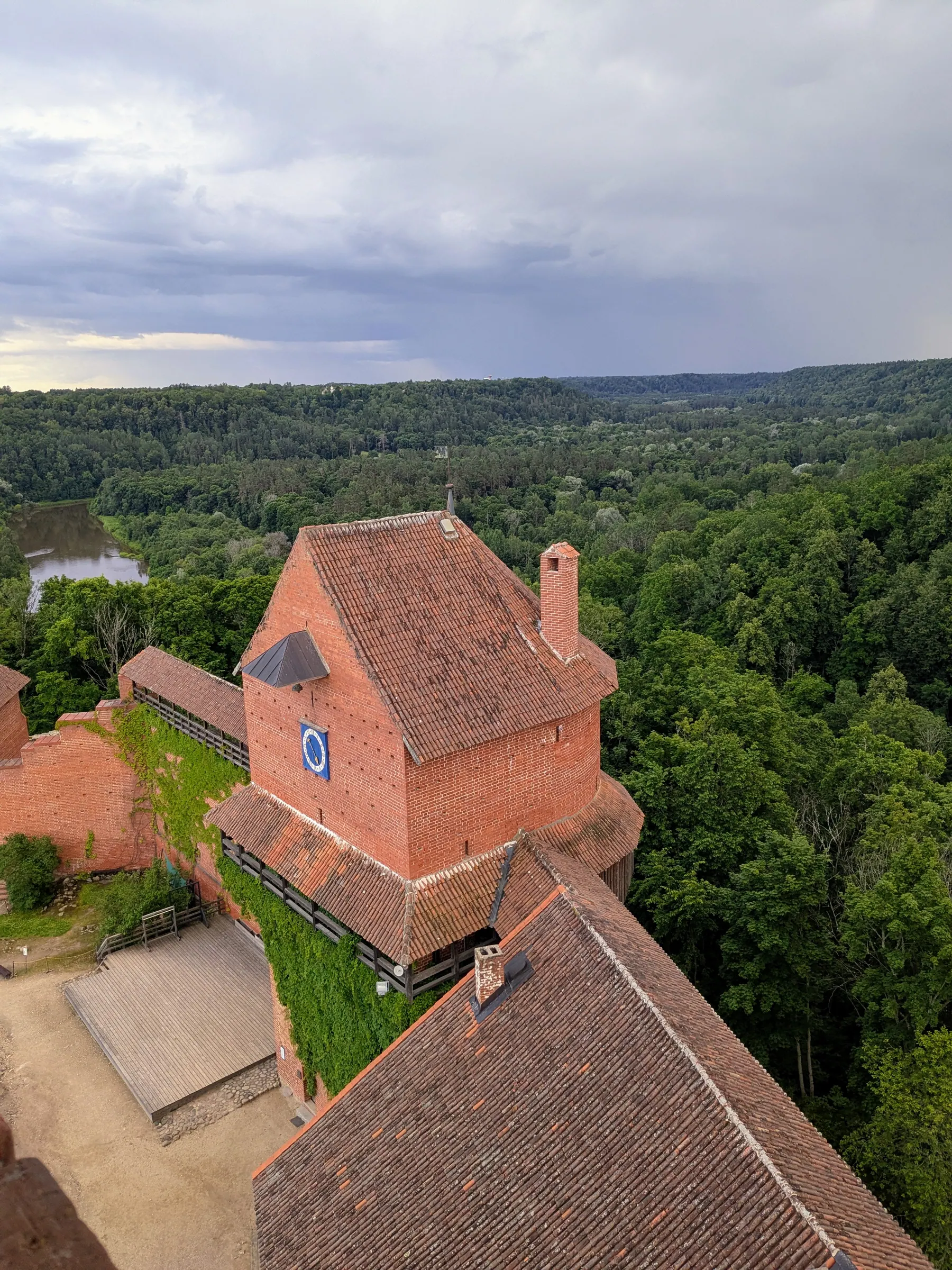
Kandava and Sabile: Two Small Towns Worth a Stop in Western Latvia
Two short stops filled with poetry, wine, handmade dolls and the quiet character of the Abava Valley.
Kandava and Sabile are two easy, characterful stops in the Abava Valley that make any drive west from Riga feel like part of the trip.
 Europe
 Kurzeme, Latvia
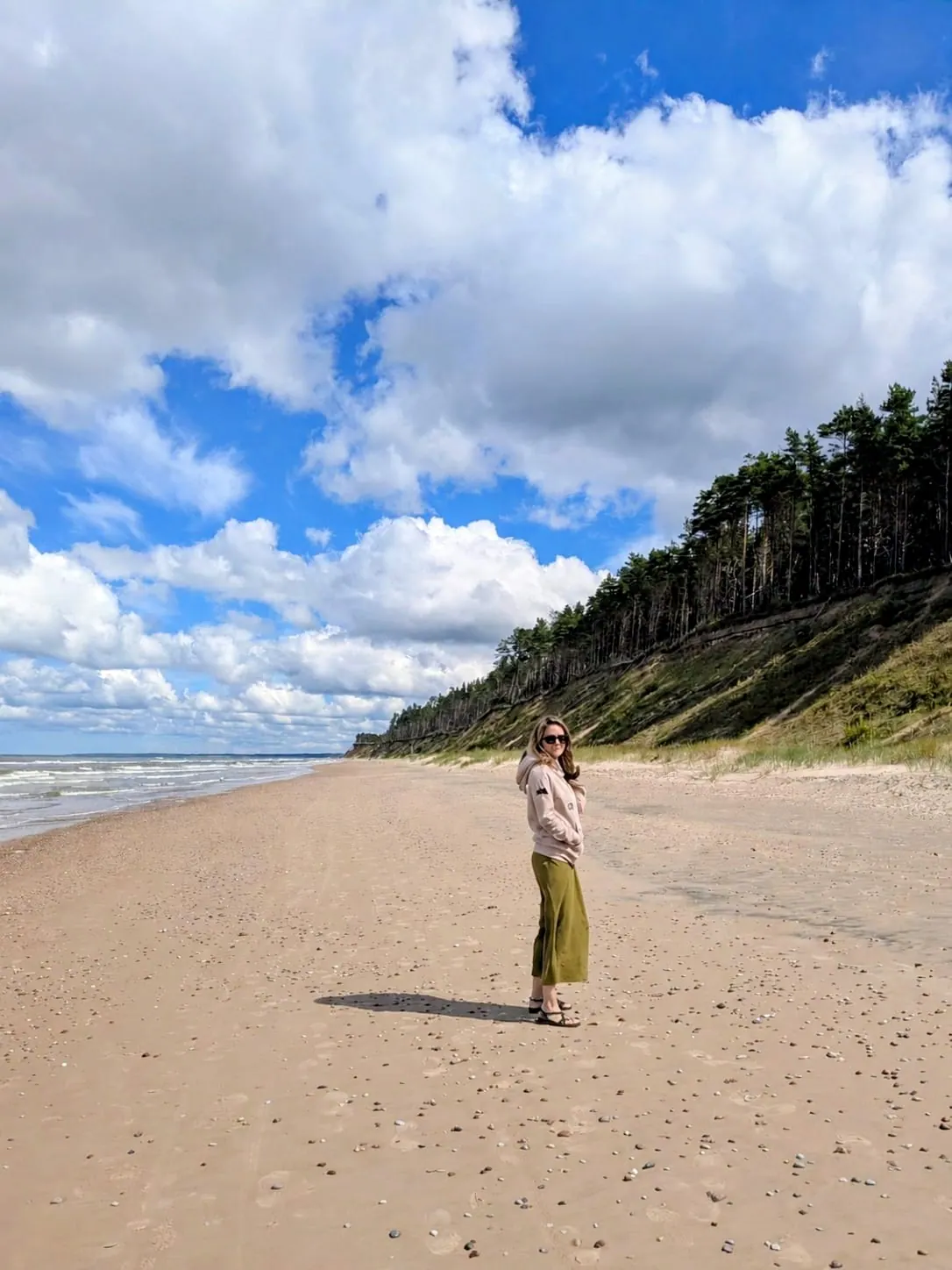
Jūrkalne and Pāvilosta: Latvia's Wildest Stretch of Coast
Between Jūrkalne's high sandy banks and the little harbour town of Pāvilosta lies one of the quietest, wildest stretches of Latvia's Baltic coast.
 Europe
 Vidzeme, Kurzeme & Zemgale, Latvia
Best Places to Visit in Latvia Beyond Riga: Road Trip Routes & Day Trips
Discover the best places to visit in Latvia beyond Riga with flexible road trip routes and day trips: Gauja National Park, Cēsis, Ķemeri Bog, Kuldīga, and the Baltic coast.